If someone told you that chasing serial killers could be funny, you’d probably think they’ve watched too many cartoons. Inspector Zende review reveals how director Chinmay Mandlekar turns this wild idea into Netflix’s most entertaining police story of 2025. The film transforms the real-life manhunt for Charles Sobhraj into a comedy-thriller that actually works.
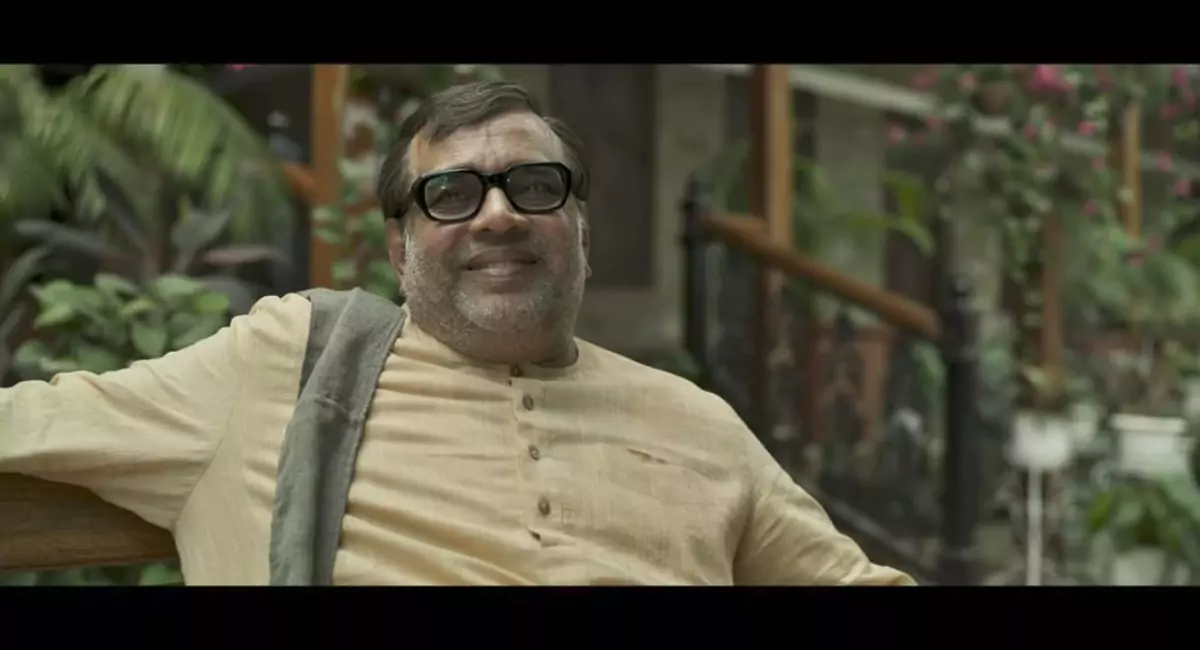
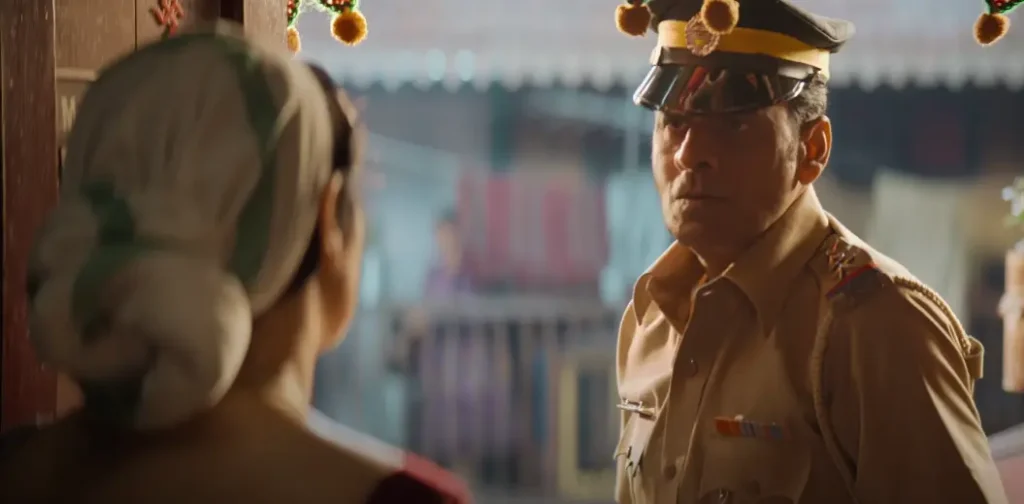
Manoj Bajpayee steps into the shoes of Inspector Madhukar Bapurao Zende, the Mumbai police officer who captured the infamous “Swimsuit Killer” twice in real life. The story begins in 1986 when serial killer Carl Bhojraj escapes from Tihar Jail with four accomplices. Zende gets assigned to track down the criminal he had previously arrested 15 years earlier, setting up a cat-and-mouse chase across Mumbai and Goa.
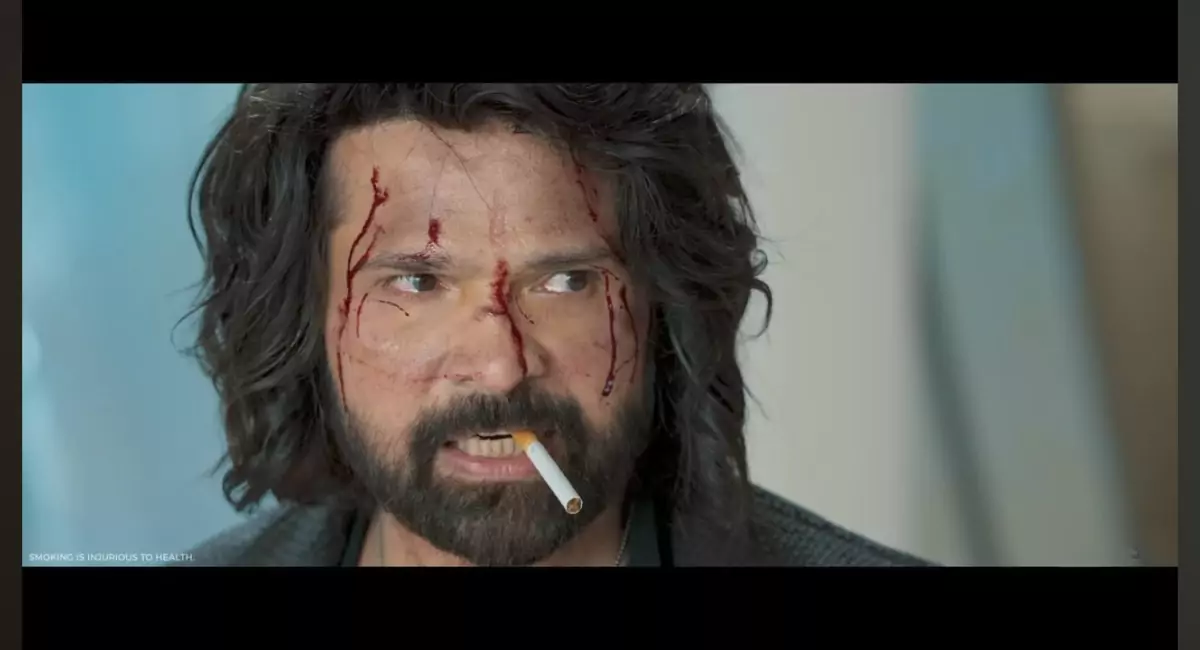
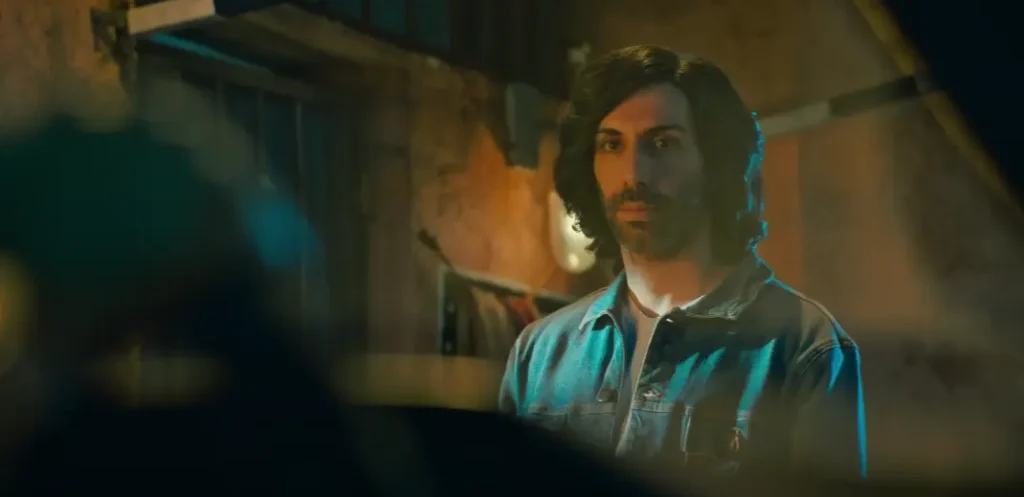
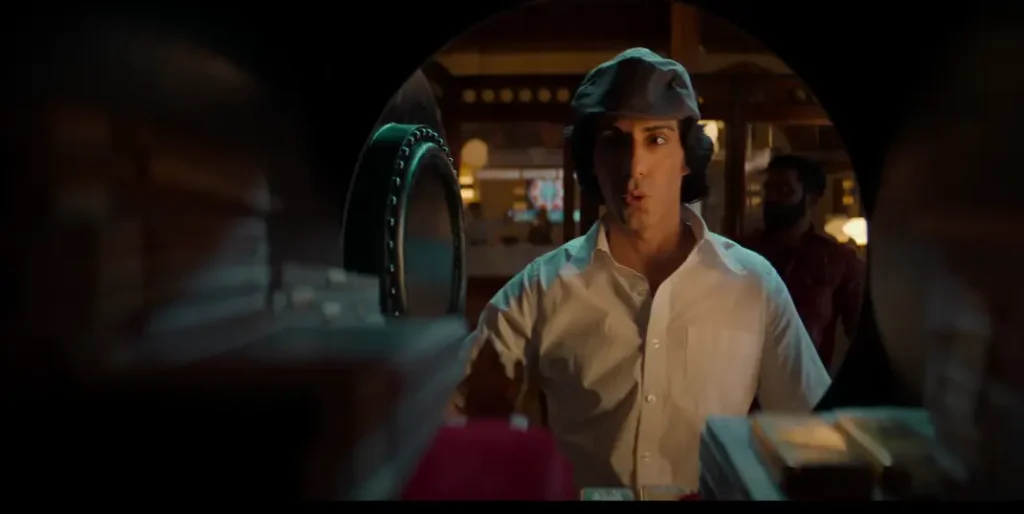
Jim Sarbh plays Carl Bhojraj, the fictional version of Charles Sobhraj, bringing his trademark charm and menace to the role. The character oozes sophistication and danger, moving through 1980s Mumbai like a predator in expensive suits. Sarbh’s French accent and flamboyant mannerisms create a villain who knows he’s always performing, whether he’s committing crimes or evading capture.
The film’s strength lies in its grounded approach to heroism, avoiding the typical Bollywood cop movie clichés. Zende lives in a modest chawl with his family, takes public transport, and solves cases through patience rather than punches.
His team includes the loyal Patil (Bhau Kadam) and the deadpan Jacob (Harish Dudhade), who delivers some of the film’s best comedic moments without trying.
Director Chinmay Mandlekar makes his Hindi directorial debut after working as an actor in projects like Kaala Paani. His background in acting helps him guide the ensemble cast through a story that balances comedy with genuine suspense.
The film never mocks the real events or the victims, instead finding humor in the bureaucratic chaos and human quirks that emerge during a massive manhunt.
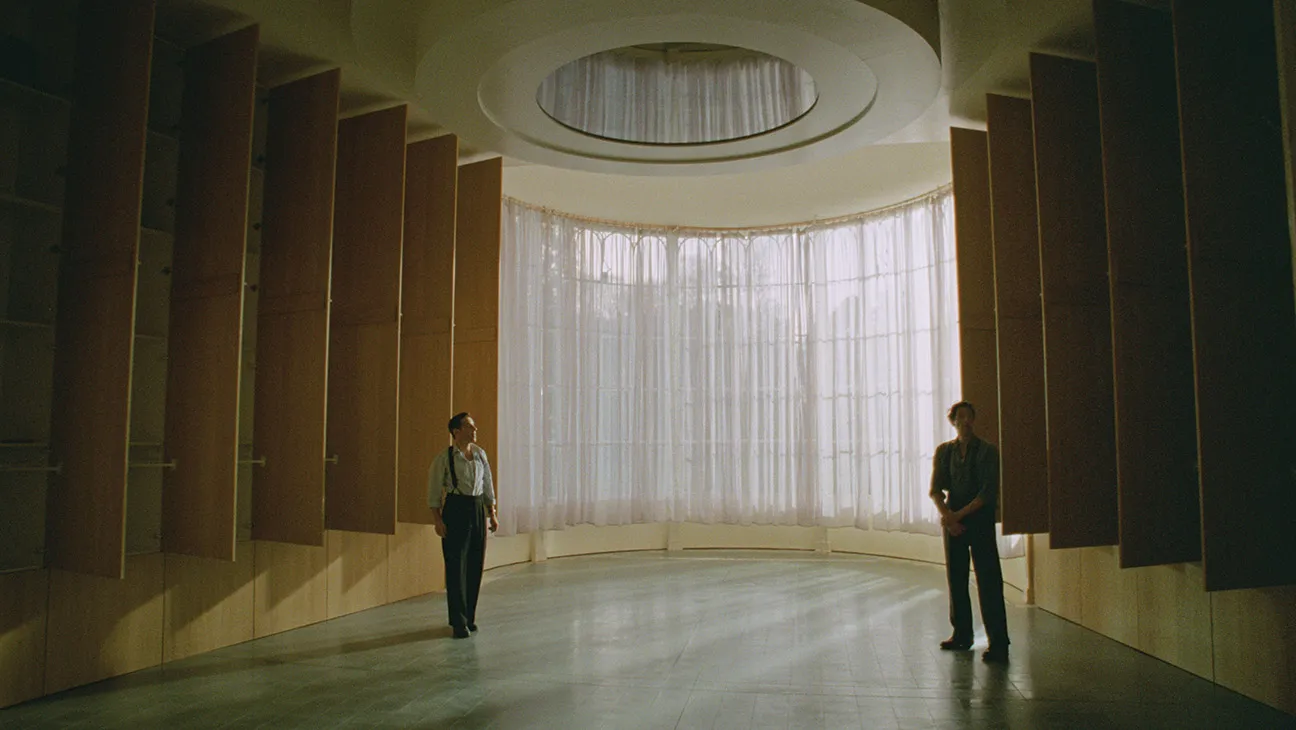
The production design recreates 1980s Mumbai with authentic details, from the crowded local trains to the neon-lit nightclubs of Goa. Netflix invested heavily in period accuracy, creating a visual time capsule that feels lived-in rather than constructed. The color palette and cinematography capture the gritty charm of old Bombay while maintaining the film’s light-hearted tone.
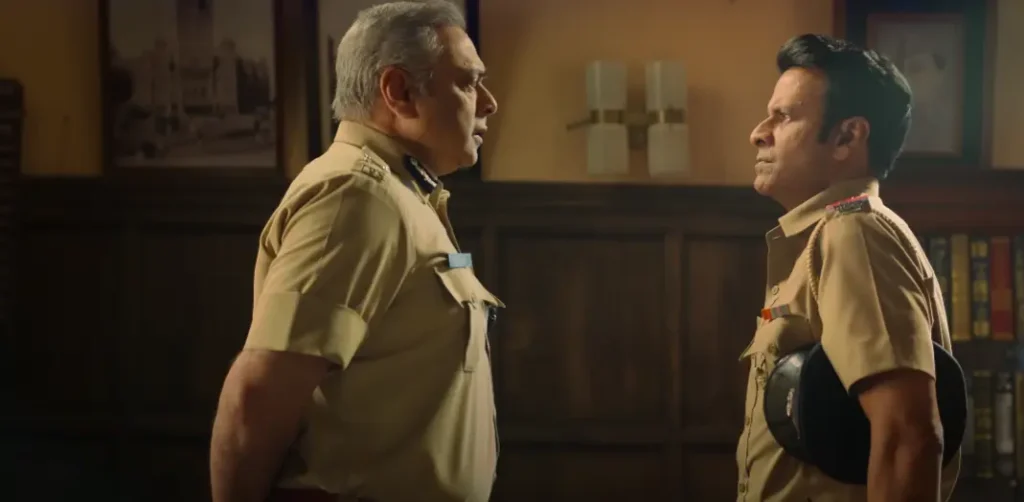
Sachin Khedekar appears as DGP Chandrakant Purandhare, the senior officer who assigns Zende to the case. His performance brings gravitas to the procedural elements while allowing space for the film’s comedic beats. Girija Oak plays Zende’s wife Vijaya, grounding the character’s home life and providing emotional support that feels genuine rather than forced.
The screenplay takes creative liberties with the true story, renaming the central characters and adding fictional elements for dramatic effect. Carl Bhojraj becomes a more theatrical version of the real Charles Sobhraj, while the police investigation gains comedic elements that probably didn’t exist in reality. These changes serve the film’s entertainment value while respecting the core facts of the case.
Critics have praised Bajpayee’s performance while noting the film’s uneven tone in some sections. The reviews range from 2 to 3.5 stars out of 5, with most outlets appreciating the unique approach to crime storytelling. Some reviewers felt the middle act dragged, while others praised the climactic custody battle between different police forces as pure entertainment.
The film’s 111-minute runtime keeps things moving at a steady pace, avoiding the bloated feel of many modern thrillers. Editor Kavish Sinha maintains the balance between comedy and suspense, ensuring that the jokes never undermine the story’s stakes. The music score supports the retro atmosphere without overwhelming the dialogue-driven scenes.
Technical aspects shine throughout the production, from the costume design that captures 1980s fashion to the sound design that brings period Mumbai to life. The team clearly researched the era extensively, creating an immersive experience that transports viewers back to pre-digital policing. Every detail, from the vintage cars to the old-fashioned police equipment, contributes to the film’s authentic feel.
Jim Sarbh’s portrayal of Carl receives particular praise for its nuanced approach to villainy. Rather than creating a one-dimensional monster, he presents a charming sociopath who uses his intelligence and charisma as weapons. The performance captures the real Charles Sobhraj’s ability to manipulate people while maintaining the fictional character’s theatrical nature.
The supporting cast delivers memorable performances that enhance the main story without stealing focus. Bhau Kadam’s Patil provides both comic relief and emotional moments, showing a police officer who admits his fears and limitations. Harish Dudhade’s Jacob becomes the film’s secret weapon, delivering dry humor through his character’s inability to smile or show emotion on command.
Production companies Northern Lights Films and Netflix India collaborated to create a film that feels both local and universal. The story’s themes of persistence, teamwork, and ordinary people doing extraordinary things translate across cultures. Producer Om Raut’s involvement brings additional credibility to the project, given his experience with large-scale filmmaking.
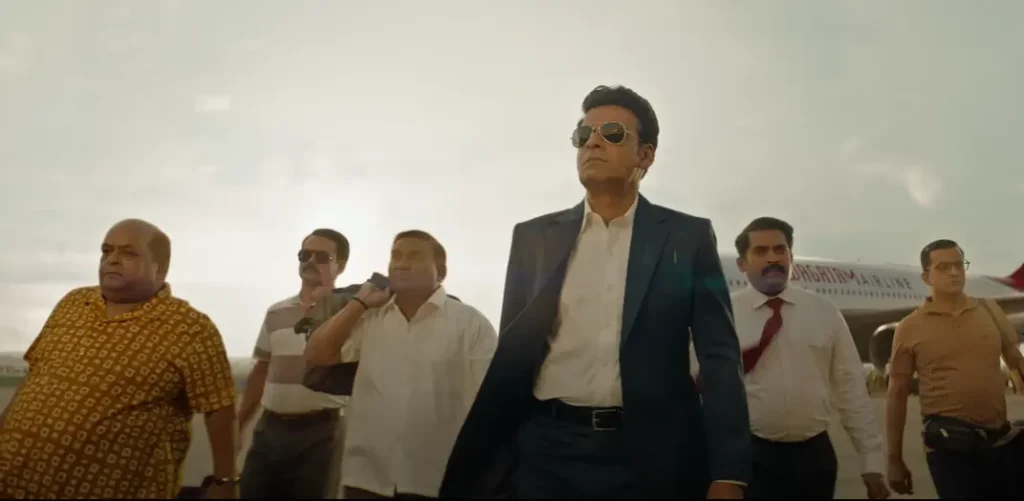
The film’s approach to violence differs significantly from typical crime thrillers, keeping the focus on investigation rather than brutality. This choice makes Inspector Zende accessible to wider audiences while maintaining respect for the real victims of Charles Sobhraj’s crimes. The restraint shows maturity in handling sensitive source material.
Netflix’s investment in Indian original content continues paying dividends with releases like Inspector Zende review proves. The streaming platform provides the perfect home for this type of mid-budget, character-driven story that might struggle in theatrical release. The global reach allows international audiences to experience this uniquely Indian take on true crime storytelling.