Categories
Movies

Akshay vs Arshad: Who Stole the Show in “Jolly LLB 3”?

Two lawyers walk into a courtroom and both claim they’re the real Jolly. Jolly LLB 3 released on September 19, 2025, and fans rushed to see this battle. The movie brings Jagdish Tyagi from Meerut and Jagdishwar Mishra from Kanpur face-to-face.

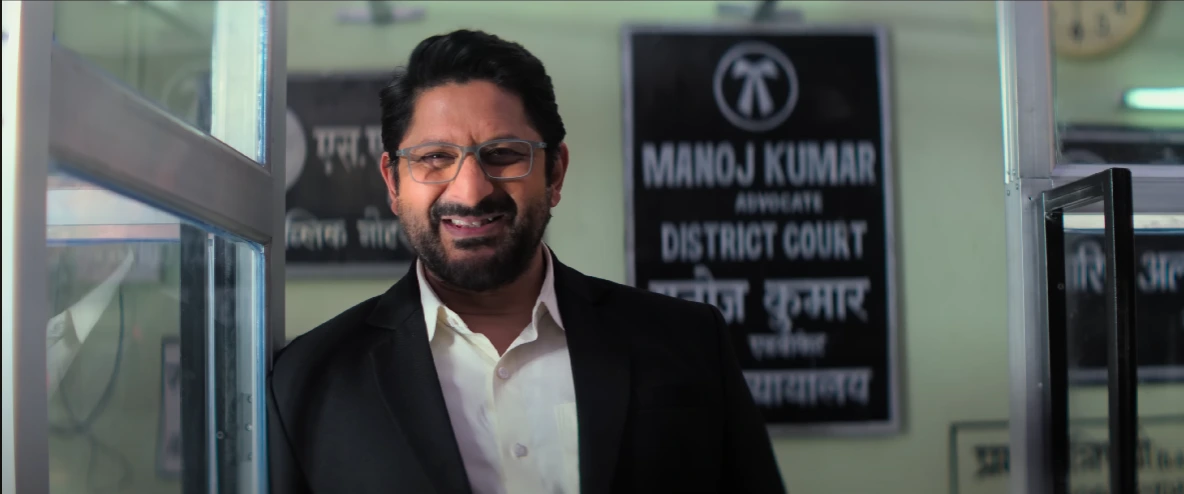
Akshay Kumar and Arshad Warsi’s chemistry as rival lawyers has been a major highlight. Their witty banter keeps the courtroom alive. The film’s IMDb page describes their clash as filled with witty banter and hilarious antics.

Arshad Warsi played the lead in the first Jolly LLB movie from 2013. Akshay Kumar took over as the main character in Jolly LLB 2 from 2017. Now they’re together, competing for the same cases and the same audience attention.

Director Subhash Kapoor wrote and directed this third installment in the legal comedy drama series. The story centers on Rajaram Solanki, a poor farmer who commits suicide after losing his land to corrupt builder Haribhai Khaitan. The widow wants justice, and both Jollys get involved.

Akshay Kumar plays the smart-talking Jagdishwar Mishra. He’s confident, polished, and knows how to work a courtroom. Reviews note that Akshay’s role is fine and he gives a solid portrayal.

His comic timing shines through the legal drama. Critics praised the on-screen chemistry and comic timing between both actors. Akshay brings his signature energy to every scene he’s in.

But here’s where things get interesting. Several reviews mention that Arshad Warsi’s part could have been written much better. His character feels underutilized compared to what fans expected.
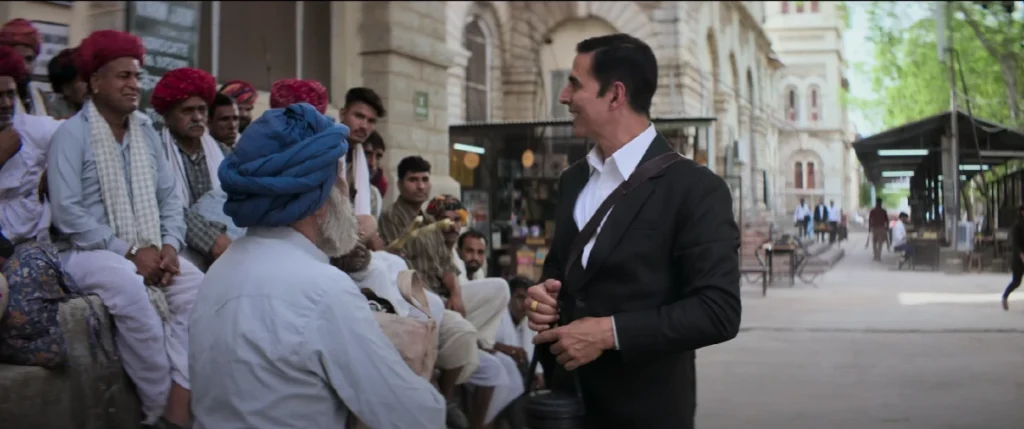
Arshad Warsi plays Jagadish Tyagi, the scrappy lawyer from Meerut. One viewer described the experience as “a wasted opportunity” having both Arshad Warsi and Akshay Kumar. Fans wanted more from the original Jolly.

The truth is, neither Akshay nor Arshad really dominates this movie. Multiple critics specifically state that Saurabh Shukla steals the show. Judge Sunderlal Tripathi owns every scene he appears in.

One reviewer wrote that Saurabh Shukla is the show stealer, and their heart melted watching him. Judge Tripathi has successfully become one of the most-loved characters in the franchise. He’s the real MVP here.

Saurabh Shukla won a National Film Award for his role in the first Jolly LLB. His character brings humor, wisdom, and heart to the courtroom. He jokes around with lawyers and uses sarcasm, but never brings down the dignity of his post.
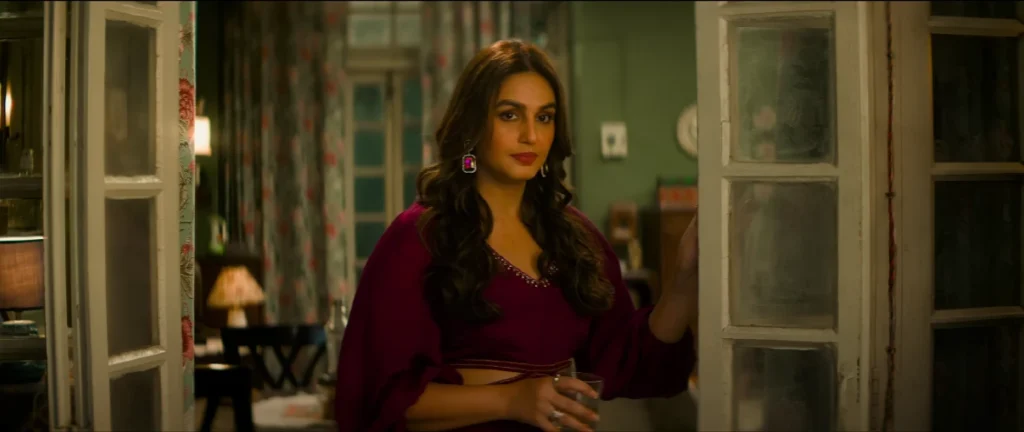
The judge constantly deals with the chaos both Jollys create. Reviews describe him as the exasperated judge dealing with the constant back-and-forth between the two lawyers. His reactions make the comedy land perfectly.

Also read our review on Jolly LLB 2: Why Akshay Kumar’s Courtroom Drama Still Holds Up

The film has earned over ₹128 crore worldwide since its release. Box office reports show the movie is heading toward the ₹100 crore club in India. That’s decent business for a courtroom drama.

Bollywood Hungama gave the film 3.5 stars and wrote that Akshay Kumar, Arshad Warsi, and Saurabh Shukla steal the show. The Times of India also rated it 3.5 stars calling it an engaging ride. Mixed reviews but mostly positive.

Some viewers felt the movie doesn’t generate emotion or engage the audience like the first film. Critics note that weak writing and dragged sequences are major drawbacks. The script needed tighter editing.
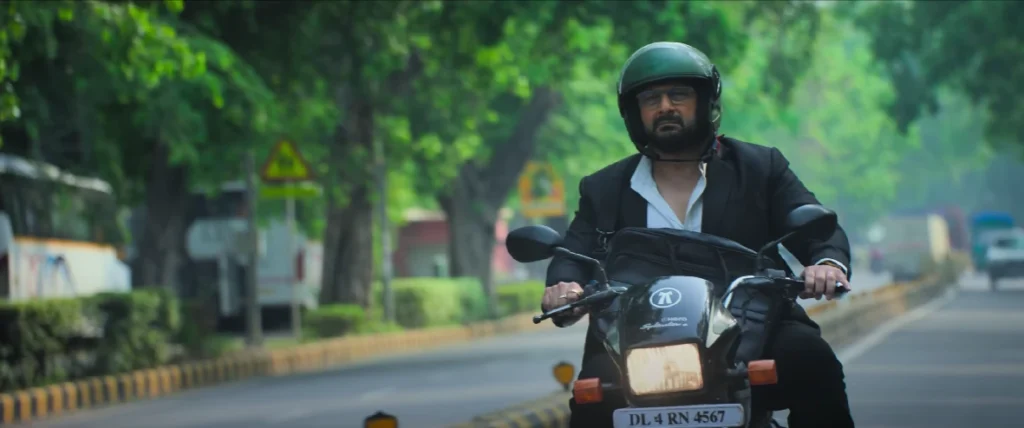
Amrita Rao, Huma Qureshi, and Seema Biswas round out the supporting cast. Gajraj Rao plays the villain with restraint. Everyone does their job well, but the spotlight stays on the courtroom trio.

So who stole the show in Jolly LLB 3? The answer might surprise Akshay and Arshad fans. Judge Sunderlal Tripathi is repeatedly called the heart and soul of the franchise. Saurabh Shukla walked away with this movie.

Both leads gave good performances, and their chemistry works. But when you have a character as beloved as Judge Tripathi, even big stars struggle to compete. The film will stream on Netflix starting November 14, 2025, so you can judge for yourself soon.

Jolly LLB 3 proves that sometimes the best performance comes from the person you least expect. The two Jollys brought laughs and legal battles, but one judge brought heart. That’s what makes this courtroom drama worth watching despite its flaws.
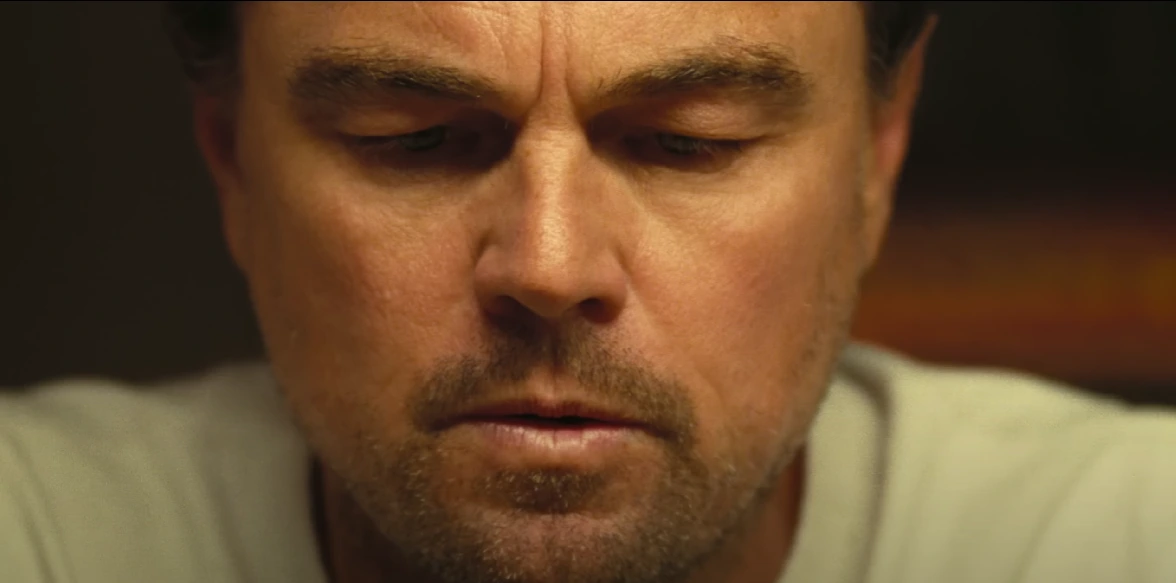
Categories
Movies

Why Critics Are Calling “One Battle After Another” Anderson’s Most Entertaining Film

Remember when directors made fun movies that also made you think? One Battle After Another does exactly that, and critics can’t stop talking about it. The film holds a 96% rating on Rotten Tomatoes with 278 reviews, which is rare for any movie these days.

Paul Thomas Anderson spent decades making serious period films about oil tycoons and fashion designers. Now he’s back in modern times with explosions, car chases, and Leonardo DiCaprio playing a stoned ex-revolutionary. This marks Anderson’s first contemporary story since 2002’s Punch-Drunk Love.

The movie cost somewhere between $130 million and $175 million to make. That’s a huge budget for a director whose biggest hit made only $76 million worldwide. Warner Bros. justified the cost based on DiCaprio’s box office track record.

Critics describe One Battle After Another as “an epic screwball adventure teeming with awe-inspiring action set pieces”. The film brings together Anderson’s technical skills with pure entertainment value. Reviewers keep saying they haven’t seen him this loose and playful since Boogie Nights.

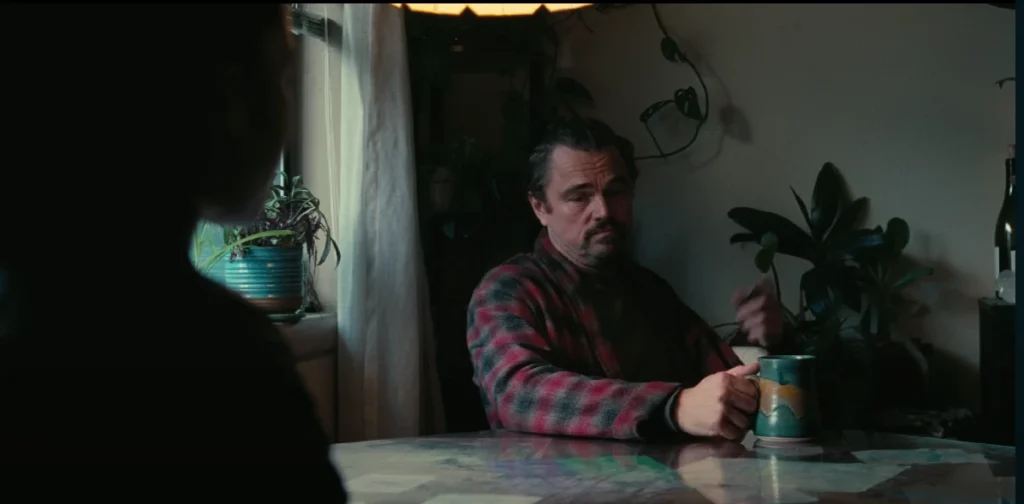
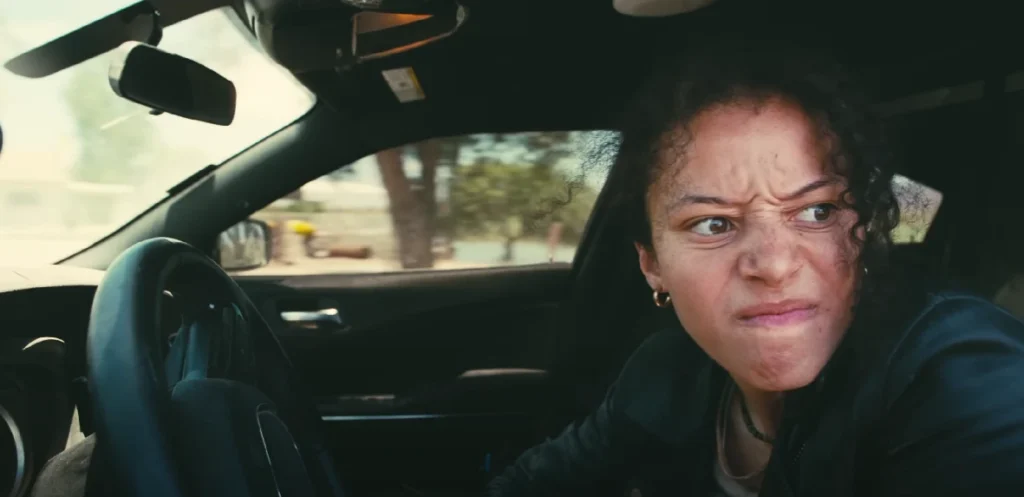
DiCaprio plays Bob Ferguson, a washed-up revolutionary hiding with his teenage daughter. Sean Penn portrays Colonel Steven Lockjaw, a corrupt military official who develops a twisted obsession. The cast also includes Benicio del Toro, Regina Hall, and newcomer Chase Infiniti.

The story follows ex-members of a revolutionary group called the French 75. They fought against a fascist American government 16 years ago. Now they’re older, tired, and just trying to survive.

Anderson loosely adapted elements from Thomas Pynchon’s 1990 novel Vineland. He mixed those ideas with his own stories about fathers, daughters, and fighting systems you can’t beat. The result feels both timely and personal.

What makes this different from Anderson’s other work? Multiple critics note it’s his most accessible and crowd-pleasing film to date. You don’t need a film degree to enjoy it. The action scenes alone are worth the ticket price.

Jonny Greenwood’s score has been called an “insta-classic,” mixing shrieking guitars with emotional piano. The music matches the film’s wild tonal shifts. One minute you’re laughing, the next you’re on the edge of your seat.

Audiences gave the film an “A” grade on CinemaScore, which is rare for Anderson’s work. His previous films often confused mainstream viewers. This one connects with everyone from teens to film buffs.

The runtime clocks in at 2 hours and 42 minutes. Some reviewers think it’s too long. Most fans say it “definitely didn’t feel like 2.5 hours” because the pacing stays tight.

There’s a three-car chase scene that critics say deserves its own chapter in film history books. Anderson shot everything on 35mm film using VistaVision cameras. The action looks crisp and real, not like CGI chaos.

The political themes hit hard without being preachy. The movie asks if America is heading toward the authoritarian state shown on screen. Anderson finished filming before recent political events, which makes the timing eerie.

Not everyone loves it. Some critics call it “a pointless, overlong movie that occasionally gives some crowdpleasing thrills”. A few think Anderson tried to do too much. But negative reviews are rare among the hundreds of write-ups.

Hollywood Reporter praised it as “a bracingly timely film” that confronts the present instead of hiding in nostalgia. Variety said it could rule the cultural conversation. These are bold claims for any movie.

One Battle After Another opened in theaters on September 26, 2025. It made $22 million in its opening weekend, which topped the box office. The film needs strong word-of-mouth to justify its massive budget and reach profitability.

You can watch it in IMAX, 70mm film, and other premium formats at theaters nationwide. This is Anderson’s first movie released in IMAX. The larger screen makes the desert chase scenes and action sequences even more thrilling.

So why are critics calling One Battle After Another Anderson’s most entertaining film? Because he finally merged his artistic vision with mainstream appeal. The movie proves you can make smart blockbusters that respect audiences. Whether you’re a longtime PTA fan or just want a great night at the movies, this delivers both action and substance.

Categories
Movies

Why the Demon Slayer Infinity Castle is a Game-Changer in Demon Slayer Lore

Imagine planning the perfect family reunion, but instead of awkward small talk about your career, everyone’s trying to kill each other with swords and demon powers. The Demon Slayer Infinity Castle takes this concept to its absolute extreme, creating the most chaotic and deadly gathering in anime history. This arc doesn’t just raise the stakes – it completely destroys the table they were sitting on.

The Demon Slayer Infinity Castle serves as the ultimate proving ground where every character’s journey reaches its climax. After four seasons of building tension and developing relationships, this dimensional fortress becomes the stage where heroes and villains alike must face their deepest fears and greatest challenges. The castle itself isn’t just a location – it’s a living, breathing weapon that constantly shifts and changes to trap its victims.

What makes this arc truly special is how it brings together storylines that have been developing since the very beginning of the series. Tanjiro’s quest to save his sister Nezuko, the mysteries surrounding Muzan’s origins, and the personal vendettas of each Hashira all converge in this one incredible location. The Demon Slayer Infinity Castle arc doesn’t waste a single moment, throwing characters immediately into life-or-death situations that test everything they’ve learned.

The movie trilogy format allows ufotable to pour their incredible animation skills into every frame, making each battle a visual masterpiece. Unlike the previous seasons which had time to build slowly, the Demon Slayer Infinity Castle full movie experience delivers non-stop action from the very first scene. This decision to move from television to cinema shows how important this arc is to the overall story.

Nakime’s Blood Demon Art creates a battlefield unlike anything we’ve seen before in the series. The Infinity Castle exists in its own dimension, where gravity works differently and rooms can appear or disappear at a moment’s notice. This isn’t just a clever visual trick – it represents how the final battle breaks all the normal rules that governed previous fights.

The architecture itself tells a story of power and control, with Muzan using the castle as both his fortress and his trap. Every wooden beam and sliding door serves a purpose in his grand design to eliminate the Demon Slayer Corps once and for all. The Demon Slayer – Kimetsu no Yaiba – Infinity Castle becomes a character in its own right, actively working against our heroes.

Upper Rank demons scattered throughout the castle create multiple simultaneous battles that showcase different fighting styles and emotional stakes. Each encounter reveals new depths to characters we thought we already knew completely. The Demon Slayer manga infinity castle arc chapters originally published these fights separately, but the movie format allows them to happen simultaneously, creating incredible tension.

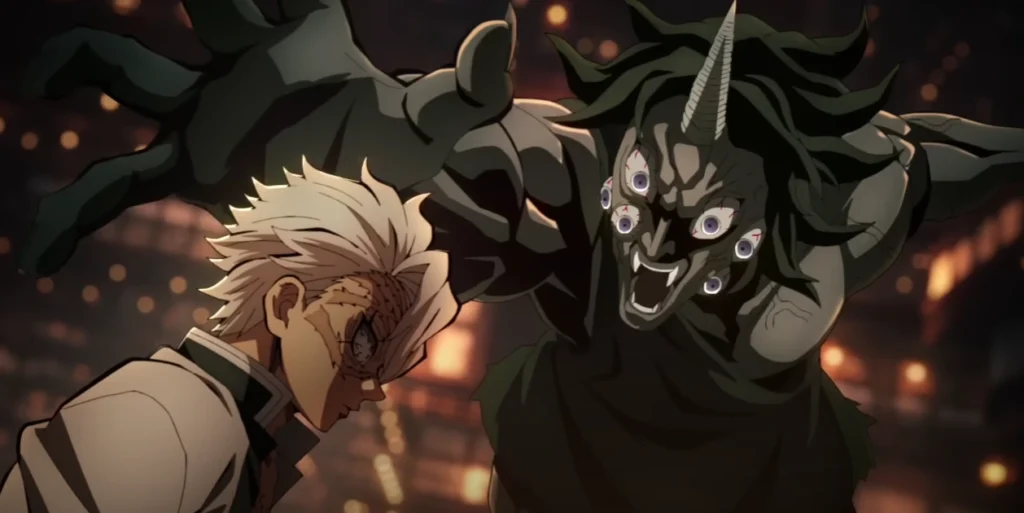
Shinobu’s confrontation with Doma represents one of the most emotionally charged battles in the entire series. Her systematic approach to revenge, including poisoning her own body to create a weapon against the demon who killed her sister, shows how far these characters will go for justice. This fight alone justifies why the Demon Slayer Infinity Castle arc movie needed the big screen treatment.

Epic Battles That Define the Demon Slayer Infinity Castle Movie Experience

Zenitsu’s battle against Kaigaku brings his character development full circle in the most satisfying way possible. The contrast between these two former students of the same master highlights how different choices can lead to completely opposite destinies. Their fight proves that power without honor means nothing when facing someone who fights for others rather than themselves.

Tanjiro and Giyu’s team-up against Akaza finally gives fans the revenge match they’ve been waiting for since the Mugen Train arc. This isn’t just about settling scores – it’s about proving that the bonds between demon slayers can overcome even the strongest individual demon. The Demon Slayer Infinity Castle arc chapter material comes alive through incredible animation that makes every sword swing feel impactful.

The pacing of these battles creates a relentless sense of urgency that keeps viewers on the edge of their seats. Unlike previous arcs where there was time to rest between major fights, the Infinity Castle throws challenge after challenge at our heroes without mercy. This decision makes every victory feel earned and every loss devastating.

What truly sets this arc apart is how it balances individual character moments with spectacular action sequences. Even in the middle of intense battles, we get quiet character beats that remind us why we care about these people. The Demon Slayer Infinity Castle movie manages to be both an emotional journey and an action spectacular.

The visual design of the Infinity Castle creates an atmosphere that’s both beautiful and terrifying. Traditional Japanese architecture twisted into impossible shapes creates a sense of unease that perfectly matches the high stakes of the battles taking place. Every room tells a story, and every corridor holds the potential for another life-changing encounter.

Muzan’s presence looms over every fight, even when he’s not directly involved in the action. The knowledge that he’s somewhere in the castle, growing stronger while his minions weaken the demon slayers, adds another layer of tension to every scene. The Demon Slayer Infinity Castle trailer only hints at how overwhelming his final confrontation will be.

The trilogy format allows for proper development of each major battle without rushing through important character moments. This approach respects both the source material and the fans who have invested years in following these characters’ journeys. Each film in the Demon Slayer Infinity Castle arc full movie series will have its own identity while contributing to the larger story.

The Infinity Castle represents the culmination of everything Demon Slayer has been building toward since Tanjiro first picked up a sword. It’s not just about defeating demons – it’s about proving that human bonds and determination can overcome even the most hopeless situations. This arc changes everything we thought we knew about the balance of power in the Demon Slayer world, making it truly deserving of its reputation as a game-changer in anime history.

Categories
Movies

Inspector Zende Review: Manoj Bajpayee Turns True Crime into Comedy Gold

If someone told you that chasing serial killers could be funny, you’d probably think they’ve watched too many cartoons. Inspector Zende review reveals how director Chinmay Mandlekar turns this wild idea into Netflix’s most entertaining police story of 2025. The film transforms the real-life manhunt for Charles Sobhraj into a comedy-thriller that actually works.

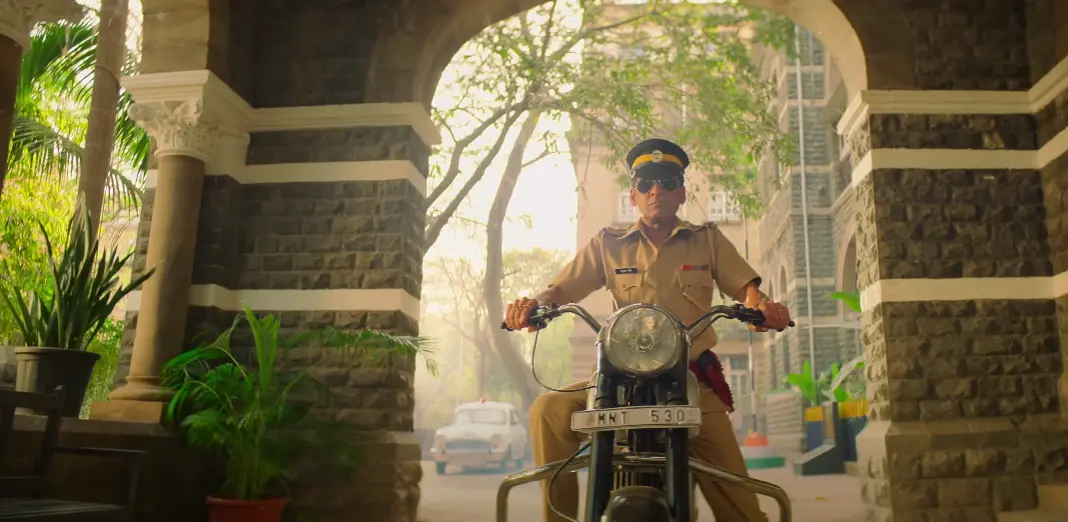
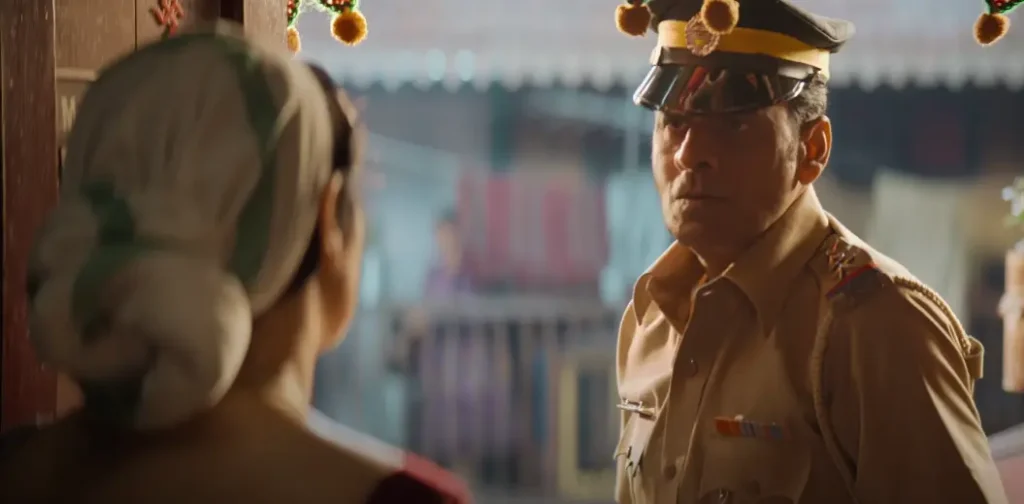
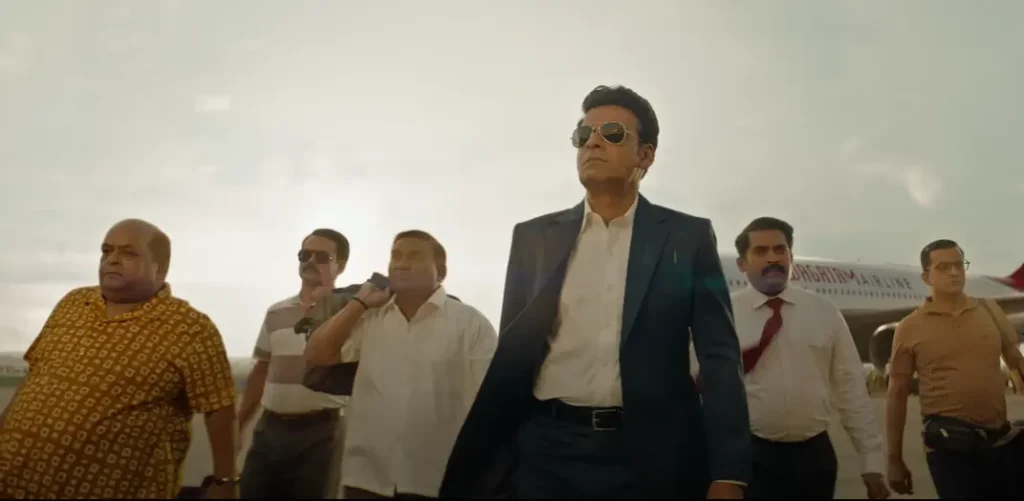
Manoj Bajpayee steps into the shoes of Inspector Madhukar Bapurao Zende, the Mumbai police officer who captured the infamous “Swimsuit Killer” twice in real life. The story begins in 1986 when serial killer Carl Bhojraj escapes from Tihar Jail with four accomplices. Zende gets assigned to track down the criminal he had previously arrested 15 years earlier, setting up a cat-and-mouse chase across Mumbai and Goa.

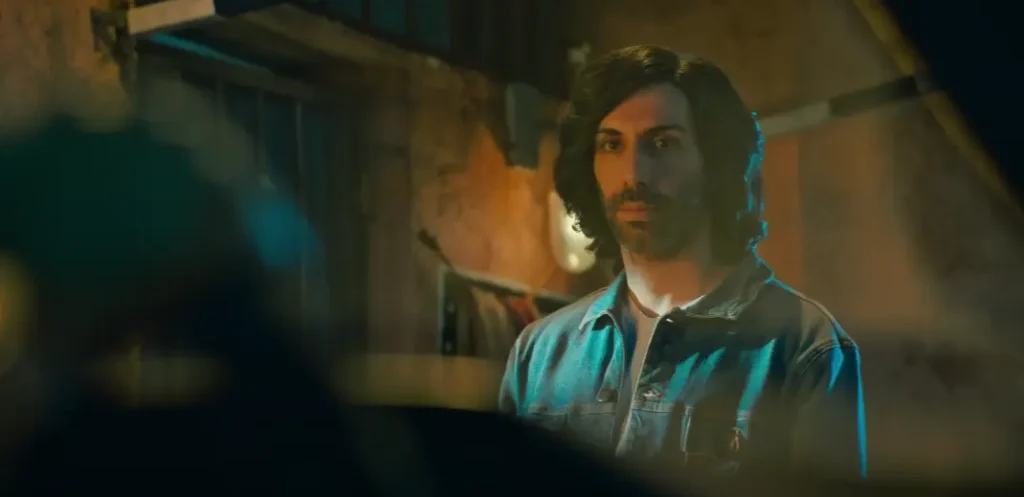
Jim Sarbh plays Carl Bhojraj, the fictional version of Charles Sobhraj, bringing his trademark charm and menace to the role. The character oozes sophistication and danger, moving through 1980s Mumbai like a predator in expensive suits. Sarbh’s French accent and flamboyant mannerisms create a villain who knows he’s always performing, whether he’s committing crimes or evading capture.

The film’s strength lies in its grounded approach to heroism, avoiding the typical Bollywood cop movie clichés. Zende lives in a modest chawl with his family, takes public transport, and solves cases through patience rather than punches. 

His team includes the loyal Patil (Bhau Kadam) and the deadpan Jacob (Harish Dudhade), who delivers some of the film’s best comedic moments without trying.

Director Chinmay Mandlekar makes his Hindi directorial debut after working as an actor in projects like Kaala Paani. His background in acting helps him guide the ensemble cast through a story that balances comedy with genuine suspense. 

The film never mocks the real events or the victims, instead finding humor in the bureaucratic chaos and human quirks that emerge during a massive manhunt.

The production design recreates 1980s Mumbai with authentic details, from the crowded local trains to the neon-lit nightclubs of Goa. Netflix invested heavily in period accuracy, creating a visual time capsule that feels lived-in rather than constructed. The color palette and cinematography capture the gritty charm of old Bombay while maintaining the film’s light-hearted tone.

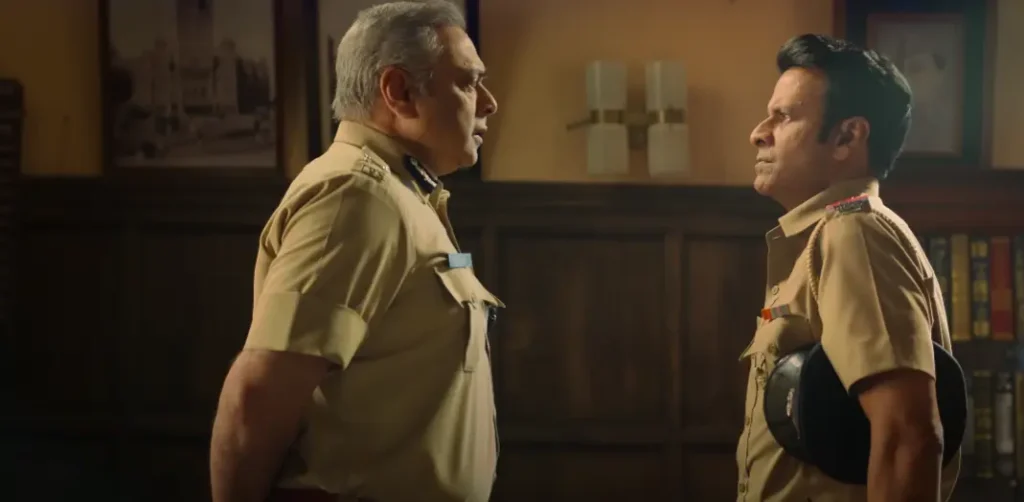
Sachin Khedekar appears as DGP Chandrakant Purandhare, the senior officer who assigns Zende to the case. His performance brings gravitas to the procedural elements while allowing space for the film’s comedic beats. Girija Oak plays Zende’s wife Vijaya, grounding the character’s home life and providing emotional support that feels genuine rather than forced.

The screenplay takes creative liberties with the true story, renaming the central characters and adding fictional elements for dramatic effect. Carl Bhojraj becomes a more theatrical version of the real Charles Sobhraj, while the police investigation gains comedic elements that probably didn’t exist in reality. These changes serve the film’s entertainment value while respecting the core facts of the case.

Critics have praised Bajpayee’s performance while noting the film’s uneven tone in some sections. The reviews range from 2 to 3.5 stars out of 5, with most outlets appreciating the unique approach to crime storytelling. Some reviewers felt the middle act dragged, while others praised the climactic custody battle between different police forces as pure entertainment.

The film’s 111-minute runtime keeps things moving at a steady pace, avoiding the bloated feel of many modern thrillers. Editor Kavish Sinha maintains the balance between comedy and suspense, ensuring that the jokes never undermine the story’s stakes. The music score supports the retro atmosphere without overwhelming the dialogue-driven scenes.

Technical aspects shine throughout the production, from the costume design that captures 1980s fashion to the sound design that brings period Mumbai to life. The team clearly researched the era extensively, creating an immersive experience that transports viewers back to pre-digital policing. Every detail, from the vintage cars to the old-fashioned police equipment, contributes to the film’s authentic feel.

Jim Sarbh’s portrayal of Carl receives particular praise for its nuanced approach to villainy. Rather than creating a one-dimensional monster, he presents a charming sociopath who uses his intelligence and charisma as weapons. The performance captures the real Charles Sobhraj’s ability to manipulate people while maintaining the fictional character’s theatrical nature.

The supporting cast delivers memorable performances that enhance the main story without stealing focus. Bhau Kadam’s Patil provides both comic relief and emotional moments, showing a police officer who admits his fears and limitations. Harish Dudhade’s Jacob becomes the film’s secret weapon, delivering dry humor through his character’s inability to smile or show emotion on command.

Production companies Northern Lights Films and Netflix India collaborated to create a film that feels both local and universal. The story’s themes of persistence, teamwork, and ordinary people doing extraordinary things translate across cultures. Producer Om Raut’s involvement brings additional credibility to the project, given his experience with large-scale filmmaking.

The film’s approach to violence differs significantly from typical crime thrillers, keeping the focus on investigation rather than brutality. This choice makes Inspector Zende accessible to wider audiences while maintaining respect for the real victims of Charles Sobhraj’s crimes. The restraint shows maturity in handling sensitive source material.

Netflix’s investment in Indian original content continues paying dividends with releases like Inspector Zende review proves. The streaming platform provides the perfect home for this type of mid-budget, character-driven story that might struggle in theatrical release. The global reach allows international audiences to experience this uniquely Indian take on true crime storytelling.

Categories
Movies

Building a Hopeful Hero: How James Gunn’s Superman Revives Classic Values

Apparently, saving the world wasn’t impressive enough anymore, so now Superman has to save cinema from its own cynical tendencies and restore faith in heroism itself. James Gunn is hopeful Superman delivers exactly what the title promises – a hero who believes in goodness when the world desperately needs reminders that such people still exist, even if they happen to be fictional aliens from distant planets.

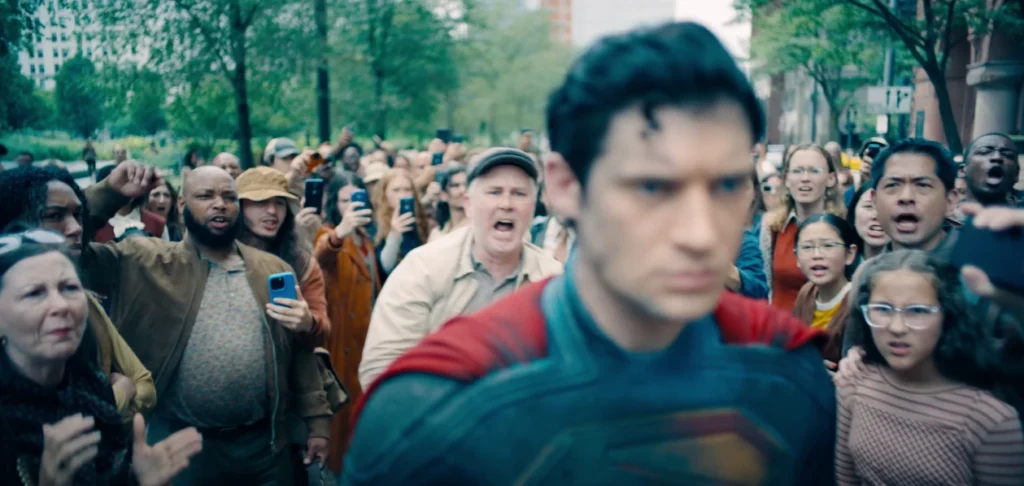
This version of Clark Kent doesn’t spend endless screen time brooding in shadows or questioning his purpose through lengthy philosophical monologues that test audience patience. Corenswet’s Superman embraces optimism as a radical act in our cynical world, proving that hope can be just as powerful as any superpower when wielded by someone who genuinely cares about humanity’s welfare.

James Gunn crafts a story that feels both timeless in its moral clarity and urgent for modern audiences who face daily bombardments of negative news and divisive rhetoric. 

The director describes his film as “the story of America” – focusing on an immigrant who chooses to protect his adopted home rather than exploit it for personal gain, making Superman’s alien origins a powerful metaphor for the immigrant experience in contemporary society.

The film tackles contemporary issues like media manipulation, international conflicts, and public accountability without losing its essential sense of wonder and hope that makes superhero stories worthwhile. 

Critics have noted how Gunn masterfully balances weighty political themes with pure entertainment value, creating a movie that works both as escapist fun and meaningful social commentary that doesn’t feel preachy or heavy-handed.

David Corenswet brings remarkable emotional depth to both Superman and Clark Kent personas, creating distinct characterizations that feel like two different people rather than just costume changes. 

The actor studied Christopher Reeve’s legendary performances extensively while developing his own unique interpretation of the character, managing to honor the past while creating something entirely fresh for new generations of fans.

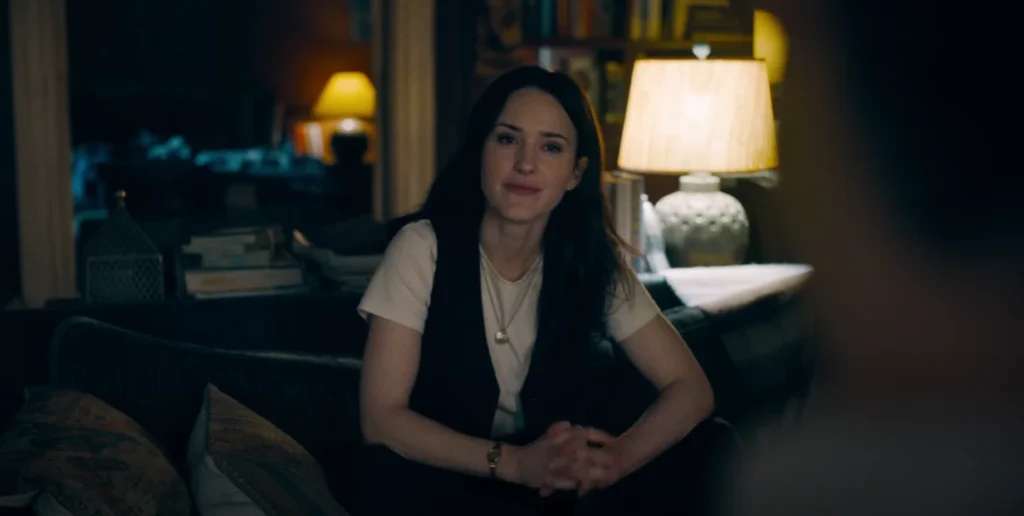
Rachel Brosnahan’s Lois Lane challenges Superman intellectually and morally throughout the film, serving as both his romantic interest and his conscience when difficult decisions arise. Their relationship explores how two people with fundamentally different approaches to justice and intervention can still maintain deep love and respect for each other, creating romantic chemistry that feels genuine rather than obligatory.

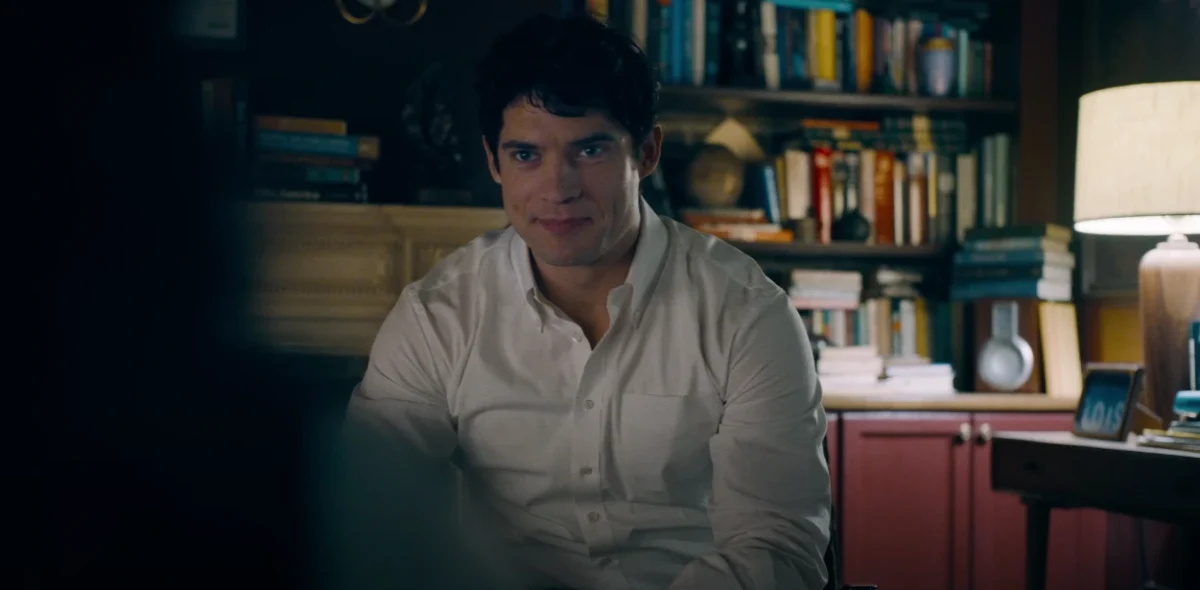
Nicholas Hoult delivers a thoroughly memorable performance as Lex Luthor, bringing sophisticated intelligence and calculated menace to the role without resorting to over-the-top villain clichés. 

The character represents everything dark about unchecked wealth and power in modern society, using advanced technology and media manipulation to turn public opinion against Superman while positioning himself as humanity’s true protector.

The supporting cast includes Nathan Fillion as the bombastic Guy Gardner and Edi Gathegi as the brilliant Mr. Terrific, both of whom bring humor and heart while expanding the world beyond Superman’s central story. The ensemble approach suggests exciting possibilities for future DC Universe films that could explore these characters more deeply while maintaining the hopeful tone that makes this Superman special.

Gunn’s direction emphasizes practical effects, real locations, and genuine human emotions over the digital excess that has plagued many recent superhero blockbusters. The action sequences feel grounded and consequential rather than weightless spectacle, with every punch and explosion carrying emotional weight because audiences genuinely care about the characters involved in the conflicts.

The film’s visual design celebrates Superman’s comic book origins without feeling dated or campy, using bright colors and optimistic cinematography to create a hopeful atmosphere. This approach sets the movie apart from the darker, more muted superhero films that dominated the previous decade, proving that audiences are ready for heroes who operate in daylight rather than perpetual darkness.

Krypto the Superdog emerges as an unexpected scene-stealer who adds pure joy to every sequence he appears in, creating moments of levity that never undermine the story’s more serious themes. The relationship between Superman and his four-legged companion provides glimpses of Clark Kent’s more private, vulnerable side while demonstrating his capacity for unconditional love and care.

The screenplay balances large-scale action with intimate character development in ways that recent superhero films have struggled to achieve, proving that spectacle and emotion can coexist successfully. Gunn clearly recognizes that audiences connect with heroes through their humanity and personal struggles rather than just their superpowers and ability to level city blocks during climactic battles.

Music and sound design enhance the film’s emotional impact without overwhelming the story or drowning out dialogue during quieter character moments. The score thoughtfully incorporates John Williams’ classic Superman theme while adding new musical elements that reflect the character’s evolution for modern audiences, creating a soundtrack that honors tradition while establishing fresh identity.

The film arrives at a perfect cultural moment when audiences desperately crave heroes who represent hope rather than cynicism, offering genuine inspiration instead of ironic detachment. Early critical reception suggests that Gunn has successfully captured what makes Superman special across generations, with many reviewers praising the film’s sincere approach to heroism and its bold rejection of grimdark storytelling trends.

Cultural commentary emerges naturally from the story without feeling preachy or heavy-handed, allowing audiences to engage with deeper themes at their own comfort level. Gunn addresses complex issues like immigration, media manipulation, and the responsibility that comes with great power, weaving these elements into an entertaining narrative that works whether viewers want pure escapism or thoughtful social reflection.

The film’s success could significantly influence how future superhero movies approach their characters and themes, potentially ushering in a new era of optimistic hero stories. James Gunn hopeful Superman proves that modern audiences still respond powerfully to characters who simply want to help others because it’s the right thing to do, regardless of personal cost or public opinion.

Categories
Web Series Reviews

Mobland vs Peaky Blinders & The Sopranos: The New King of Crime TV?

Watching Tom Hardy fix problems for London’s most dangerous crime family feels like stepping into a boxing ring where Mobland crime series throws punches at heavyweight champions. The show arrived in March 2025 with the confidence of a street fighter ready to take on legends. Guy Ritchie’s direction brings his signature style to television, creating something that feels both familiar and fresh.

Pierce Brosnan transforms from suave spy to ruthless crime boss Conrad Harrigan with shocking ease. His Irish accent cuts through scenes like a blade, proving that age only sharpens certain actors. Helen Mirren’s Maeve Harrigan operates as the true power behind the throne, much like how Aunt Polly guided the Shelby family’s decisions.

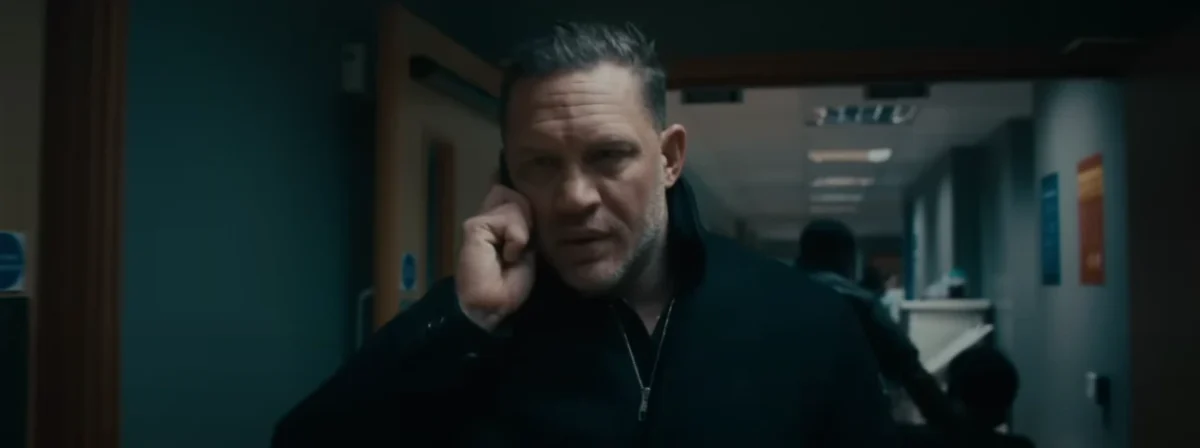
Tom Hardy’s Harry Da Souza operates as the show’s moral center, fixing problems with brutal efficiency. His performance channels the same intensity that made Tony Soprano so captivating. The character walks a tightrope between loyalty and survival, never knowing which family member might turn on him next.

Crime families have always fascinated audiences because they mirror our own family dynamics with deadly consequences. Mobland explores this theme through the Harrigan clan’s internal power struggles. The show asks whether blood truly runs thicker than business when millions of dollars hang in the balance.

Family loyalty drives every major decision in these three shows, but each approaches the theme differently. Peaky Blinders focused on post-war trauma shaping the Shelby brothers’ criminal empire. The Sopranos examined how therapy sessions revealed the psychological costs of violence.

Mobland takes a more direct approach to family dynamics without the historical backdrop of Peaky Blinders. The show sets its action in modern London where technology changes the rules of organized crime. Social media and surveillance cameras force criminals to adapt their methods constantly.

Character development separates great crime shows from forgettable ones, and all three series excel in this area. Cillian Murphy’s Tommy Shelby evolved from shell-shocked veteran to political powerbroker over six seasons. James Gandolfini’s Tony Soprano battled depression while running a criminal organization for eight years.

Tom Hardy brings similar depth to Harry Da Souza, showing a man caught between two worlds. His character operates with surgical precision during violent confrontations but struggles with normal family interactions. The performance proves that Hardy can carry a series as effectively as he dominated individual Peaky Blinders episodes.

Streaming numbers tell the story of audience appetite for quality crime television. Mobland broke Paramount+’s record with 2.2 million viewers on premiere day, growing to 8.8 million in its first week. The show’s success proves that viewers still crave stories about organized crime when they’re executed with skill.

Peaky Blinders maintained steady popularity throughout its six-season run on BBC, becoming a cultural phenomenon that spawned fashion trends and tourist attractions. The Sopranos revolutionized television by proving that cable networks could produce cinema-quality drama. Both shows set the bar incredibly high for future crime series.

Critical reception varies among the three shows, with each finding its own audience and acclaim. The Sopranos earned universal praise for its writing and performances, winning multiple Emmy Awards. Peaky Blinders gained momentum through word-of-mouth, eventually becoming one of BBC’s most successful exports.

Mobland currently holds a 75% rating on Rotten Tomatoes, with critics praising the performances while noting the familiar storylines. The show succeeds by executing genre conventions expertly rather than breaking new ground. Sometimes audiences prefer skillful execution over revolutionary innovation.

Visual style distinguishes each series from its competitors in the crowded crime television market. Peaky Blinders used period costumes and industrial Birmingham settings to create its unique atmosphere. The Sopranos grounded its violence in suburban New Jersey locations that felt authentically American.

Mobland embraces modern London’s diverse neighborhoods while maintaining Guy Ritchie’s kinetic camera work. The show’s cinematography captures both the glamour and grit of contemporary organized crime. Every frame feels deliberately composed to maximize dramatic impact.

Acting performances make or break crime series because audiences need to believe in the characters’ motivations. James Gandolfini’s Tony Soprano became television’s most complex antihero through subtle emotional work. Cillian Murphy’s Tommy Shelby combined calculation with vulnerability in ways that surprised viewers constantly.

The supporting cast matters just as much as the lead performance in ensemble crime dramas. Edie Falco’s Carmela Soprano and Helen McCrory’s Polly Gray proved that strong women could hold their own against violent men. Mobland’s Helen Mirren continues this tradition with a performance that commands respect through intelligence rather than volume.

Cultural impact extends beyond television ratings when shows capture the public imagination effectively. The Sopranos changed how people talked about therapy and mental health in America. Peaky Blinders influenced fashion trends and made Birmingham a tourist destination for international visitors.

Mobland crime series represents the next generation of gangster television, building on lessons learned from its predecessors while carving its own path. The show proves that audiences remain hungry for stories about loyalty, betrayal, and family bonds tested by violence. 

Whether it achieves the lasting cultural impact of The Sopranos or Peaky Blinders remains to be seen, but early signs suggest that Mobland crime series has the talent and storytelling skill to join the pantheon of great television.

Categories
Trending Web Series Reviews

“Inside Alien: Earth” How This Show Brings Terror and Tech Together Like Never Before

Inside Alien: Earth opens with a simple question: what could possibly go wrong when five mega-corporations control the entire planet and one of them decides to play god with human consciousness? 

Set in the year 2120, just two years before the events of the original 1979 Alien movie, this show throws us into a world where traditional governments have basically given up and handed the keys to corporate overlords. The five ruling companies – Prodigy, Weyland-Yutani, Lynch, Dynamic, and Threshold – are all racing to crack the code of immortality, each with their own twisted approach to cheating death.

The show’s genius lies in how it makes technology feel both amazing and absolutely terrifying at the same time. We meet three different types of enhanced beings: cyborgs (humans with mechanical parts), synths (robots with artificial intelligence), and the brand-new hybrids (synthetic bodies powered by real human minds). 

This isn’t just sci-fi window dressing – these categories represent different levels of humanity’s willingness to sacrifice what makes us human in exchange for power and survival.

At the heart of this technological horror story stands Wendy, played by Sydney Chandler, who represents everything both wonderful and disturbing about the hybrid program. She’s actually an 11-year-old girl named Marcy who was dying of cancer and agreed to have her consciousness transferred into a superhuman synthetic body. 

Watching a child’s mind navigate an adult robot body while trying to maintain her innocence creates some of the show’s most emotionally complex moments.

The terror doesn’t just come from the aliens – it comes from watching these hybrid children called the “Lost Boys” try to figure out who they really are. Wendy leads this group of terminally ill kids who traded their dying human bodies for synthetic immortality, but at what cost? 

Their creator, Boy Kavalier (played by Samuel Blenkin), is a trillionaire child prodigy who built his empire while still a teenager and sees these hybrid experiments as his greatest masterpiece.

Boy Kavalier embodies every fear we have about young tech billionaires with too much money and not enough wisdom. He’s obsessed with Peter Pan stories, has created his own “Neverland” research facility, and treats human consciousness like software he can download and upgrade. 

The scary part isn’t that he’s evil – it’s that he genuinely believes he’s saving these children by turning them into something that’s no longer quite human.

The show doesn’t shy away from the body horror that made the original Alien movies so memorable. When the USCSS Maginot spaceship crashes into Prodigy City carrying a collection of deadly alien specimens, we get classic xenomorph terror mixed with new creatures that are somehow even more disturbing. 

The production team used practical effects whenever possible, creating aliens that feel real and visceral rather than computer-generated fantasies.

What makes the aliens extra terrifying is how they interact with all this advanced technology. These creatures don’t just want to kill humans – they seem to understand and manipulate the synthetic beings and hybrid children in ways that suggest a disturbing intelligence. 

The xenomorphs and other alien species become more than just monsters; they’re a dark mirror showing us what happens when biological evolution meets artificial enhancement.

The show’s production design pays careful tribute to Ridley Scott’s 1979 masterpiece while updating it for modern anxieties. The sets maintain that grimy, industrial feel of the original movie’s “space trucker” aesthetic rather than the clean Apple Store look of later films. 

Every corridor feels claustrophobic, every computer screen looks like it might break down at any moment, and every synthetic being moves just slightly wrong enough to make your skin crawl.

Creator Noah Hawley uses the children’s perspective to examine our relationship with technology in ways that feel fresh and genuinely unsettling. 

These hybrid kids ask questions that adults have learned to stop asking: Why do we need to get used to homeless people on the streets? Why do corporations get to decide who lives and dies? Their synthetic bodies give them superhuman abilities, but their child minds retain a moral clarity that most adults have lost.

The contemporary parallels are impossible to ignore, even though the show never beats you over the head with obvious references. We’re living through our own age of tech billionaires who promise to upload our minds to computers and achieve digital immortality. 

Boy Kavalier’s Prodigy Corporation feels like a logical extreme of companies that already collect our data, monitor our behavior, and promise to solve death itself through technology.

The philosophical questions raised by the hybrid program cut to the core of what makes us human. If Wendy’s consciousness came from 11-year-old Marcy, is she still the same person in a different body, or is she something entirely new? 

The show explores these ideas through action and horror rather than boring exposition, making complex philosophical concepts accessible through genuine emotional stakes.

The terror builds not just from jump scares and gore, but from the slow realization that the “good guys” might be just as dangerous as the aliens. 

Prodigy Corporation’s hybrid program starts with noble intentions – saving dying children – but quickly reveals the ethical nightmare of treating human consciousness like computer software. The company executives talk about these kids like products they’re developing rather than lives they’re trying to save.

What makes the show particularly effective is how it balances classic alien horror with these new technological terrors. One moment you’re watching a xenomorph hunt humans through dark corridors, and the next you’re seeing a child’s mind struggle to understand why their new synthetic body doesn’t feel emotions the same way. 

Both types of horror work together to create something that feels completely new while honoring the franchise’s legacy.

The series works as both a thrilling monster movie and a cautionary tale about the price of technological progress. Every time the hybrids use their superhuman abilities to fight the aliens, we’re reminded that their power came from essentially dying and being reborn as something that might not be human anymore. 

The aliens become almost secondary to the deeper horror of what we’re willing to sacrifice in the name of survival and progress.

The show’s technical achievements in practical effects and production design create a world that feels lived-in and believable. 

The aliens look genuinely alien rather than like people in suits, and the hybrid characters move with an uncanny valley effect that makes them seem almost but not quite human. Every detail serves the story’s central theme about the blurry line between salvation and transformation.

Inside Alien: Earth succeeds because it understands that the best science fiction uses future technology to examine present-day fears. In our world of artificial intelligence, genetic engineering, and corporate power, the show’s questions about consciousness, identity, and human enhancement feel urgently relevant. 

The series proves that Inside Alien: Earth isn’t just another franchise extension – it’s a smart, scary examination of where our own technological ambitions might lead us.

Categories
Trending Web Series Reviews

How Prison Break Changed TV Forever: Inside the Cult Phenomenon

If you think your Monday mornings are rough, imagine deliberately robbing a bank just to get locked up with your brother on death row. How Prison Break Changed TV Forever started with this wild premise when Michael Scofield tattooed prison blueprints on his body and walked into Fox River State Penitentiary in 2005. The show immediately grabbed viewers by the collar and refused to let go, proving that sometimes the craziest ideas make the best television.

Prison Break arrived at a time when television was hungry for something different. Shows like Lost and 24 had already proven that audiences craved serialized storytelling over simple episode-by-episode formats. Paul Scheuring’s creation took this concept and ran straight through the prison walls with it, creating a weekly puzzle that viewers couldn’t wait to solve.

The series revolutionized how television handled suspense and pacing. Every episode ended with cliffhangers that made waiting a week feel like serving time yourself. Michael’s intricate escape plans unfolded piece by piece, turning viewers into amateur architects as they tried to predict his next move.

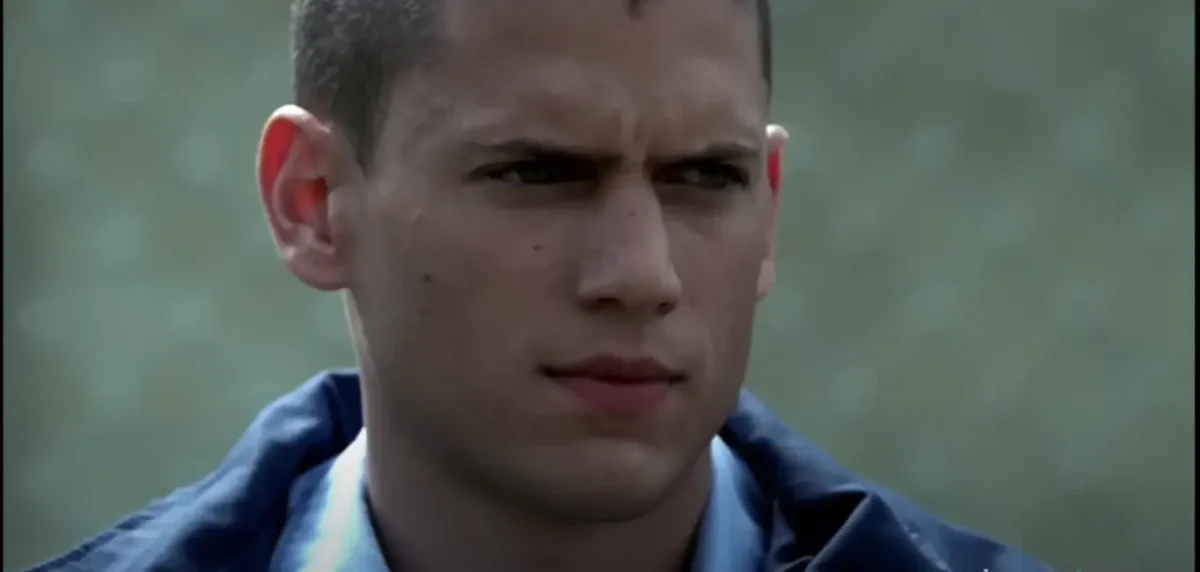
What made Prison Break truly special was its commitment to authenticity in production. The show filmed at the real Joliet Correctional Center in Illinois, a facility that had been closed since 2002. This decision gave the series an eerie, genuine atmosphere that studio sets could never match.

The casting choices proved that unknown actors could carry a major network series. Wentworth Miller and Dominic Purcell weren’t household names when they stepped into Fox River, but their chemistry as brothers made viewers believe in their impossible mission. Their performances anchored the show’s emotional core while the action swirled around them like a tornado.

Supporting characters became just as important as the leads, with each inmate bringing their own story and motivation. Theodore “T-Bag” Bagwell, played by Robert Knepper, became one of television’s most memorable villains. His twisted charisma made viewers simultaneously hate and fear him, proving that great antagonists are just as crucial as heroes.

The show’s approach to storytelling borrowed heavily from heist movies and escape films. Each episode felt like a chapter in an elaborate caper, with Michael’s plans requiring precise timing and perfect execution. The series taught viewers to pay attention to every detail, knowing that a seemingly innocent object could become crucial to the escape.

Prison Break’s influence on television scheduling cannot be ignored. The show proved that summer programming could be just as successful as fall premieres. Fox took a massive gamble by launching the series in August 2005, but the ratings success changed how networks viewed seasonal programming.

The series also pioneered the use of real locations to enhance storytelling authenticity. Filming at O’Hare International Airport, various Chicago neighborhoods, and eventually locations in Texas, Panama, and Morocco gave the show a global scope. These real-world settings made the characters’ journeys feel more believable and urgent.

Music played a crucial role in building the show’s tension and atmosphere. Composer Ramin Djawadi created a score that perfectly matched the series’ intensity, with themes that became instantly recognizable. The opening theme alone was enough to get viewers’ hearts racing before each episode even began.

The show’s impact on prison drama as a genre cannot be overstated. Programs like Orange is the New Black, Wentworth, and Escape at Dannemora all owe a debt to Prison Break’s success. The series proved that prison settings could support complex, long-form storytelling rather than just procedural episodes.

Prison Break’s serialized structure influenced countless shows that followed. The concept of season-long arcs with interconnected episodes became more common after the show’s success. Television writers learned that audiences would invest in complicated storylines if the payoff was worth the wait.

The show’s revival on Netflix in 2024 proves its lasting appeal. Streaming numbers showed that Prison Break dominated viewing charts, attracting both longtime fans and new viewers. The series found new life on the platform, introducing Michael Scofield’s genius to a generation that missed the original broadcast.

Cultural references to Prison Break continue appearing in other media and everyday conversation. The phrase “prison break” itself became synonymous with elaborate escape plans in both fiction and real life. The show’s influence extends beyond entertainment into how people think about problem-solving and strategic planning.

International success helped establish Prison Break as a global phenomenon. The series aired in dozens of countries, with local adaptations and high viewership numbers worldwide. This international appeal demonstrated that well-crafted storytelling transcends cultural and language barriers.

The upcoming Hulu reboot announced in 2024 shows that the Prison Break universe still has stories to tell. While the new series won’t feature Michael and Lincoln, it will explore the same world of elaborate escapes and conspiracies. This continuation proves that How Prison Break Changed TV Forever continues to influence modern television production and storytelling.

Categories
Movies

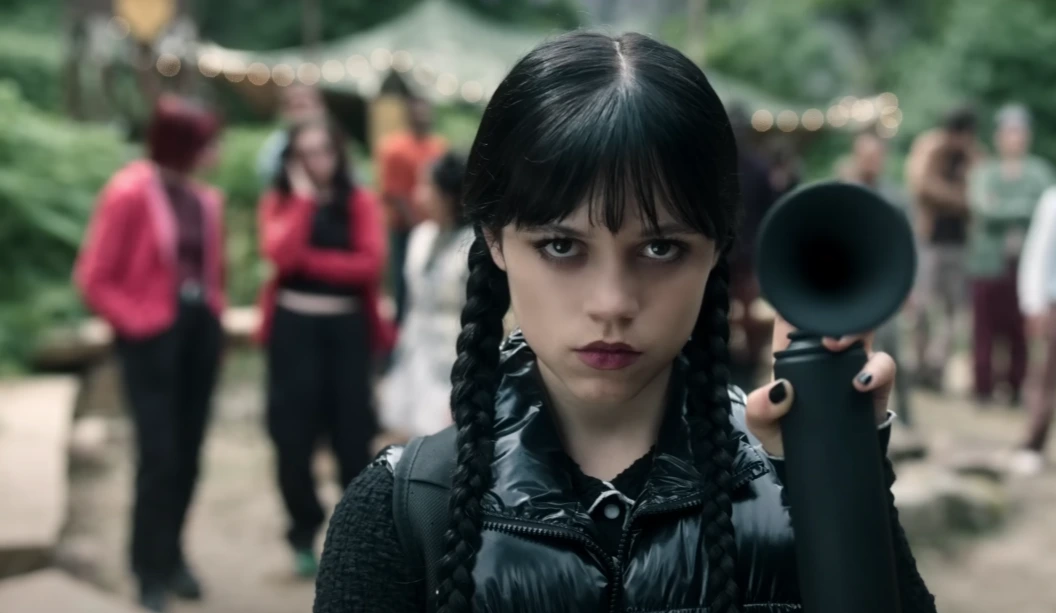
Everything You Must Know Before Watching Wednesday Season 2

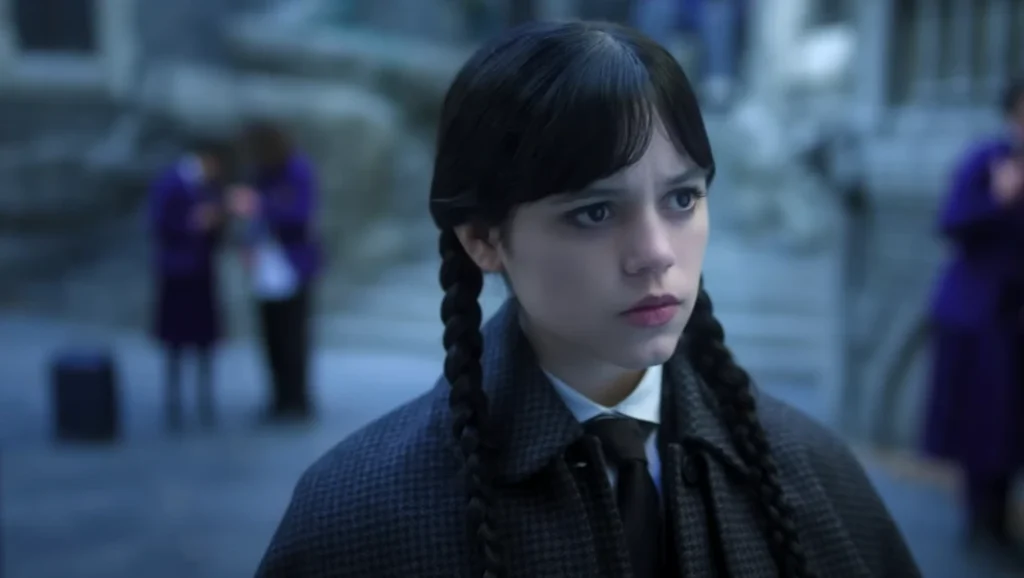
Whoever said death would be the end of high school drama clearly never met Wednesday Addams. The macabre teen returns for a second season split into two deliciously dark parts, with fresh mysteries, familiar faces, and an unexpected musical guest lurking in the shadows. 

Wednesday Season 2 promises to be darker, deadlier, and packed with more Addams Family members than ever before.

The Return to Nevermore

Wednesday Season 2 picks up as our favorite goth teen returns to Nevermore Academy for her second year. Following her monster-hunting adventures in Season 1, Wednesday now faces an unwelcome new challenge – popularity.

Her heroic actions have made her a campus celebrity, much to her disgust and irritation. The social spotlight is the least of her worries though, as her psychic powers reveal a terrifying vision of her roommate Enid’s death.

As Wednesday investigates this dark premonition, she discovers something alarming happening with her abilities. Strange black tears stream from her eyes whenever she uses her powers, concerning even her mother Morticia.

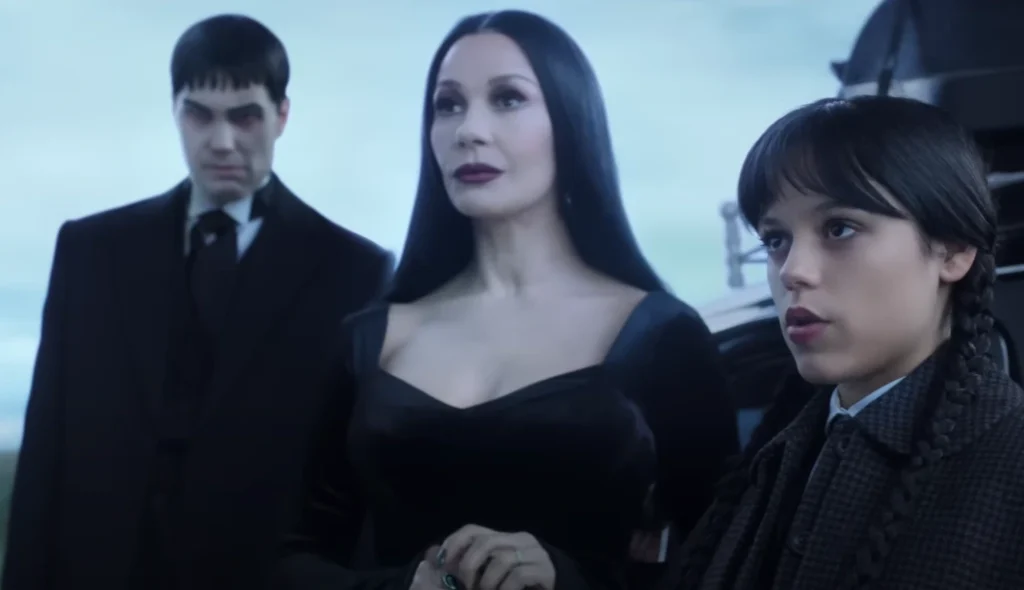
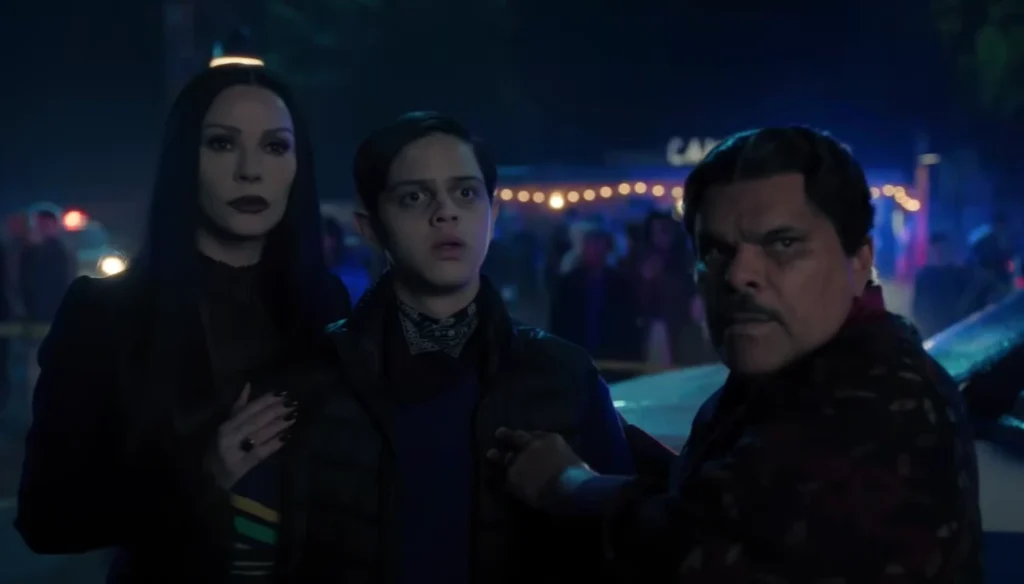
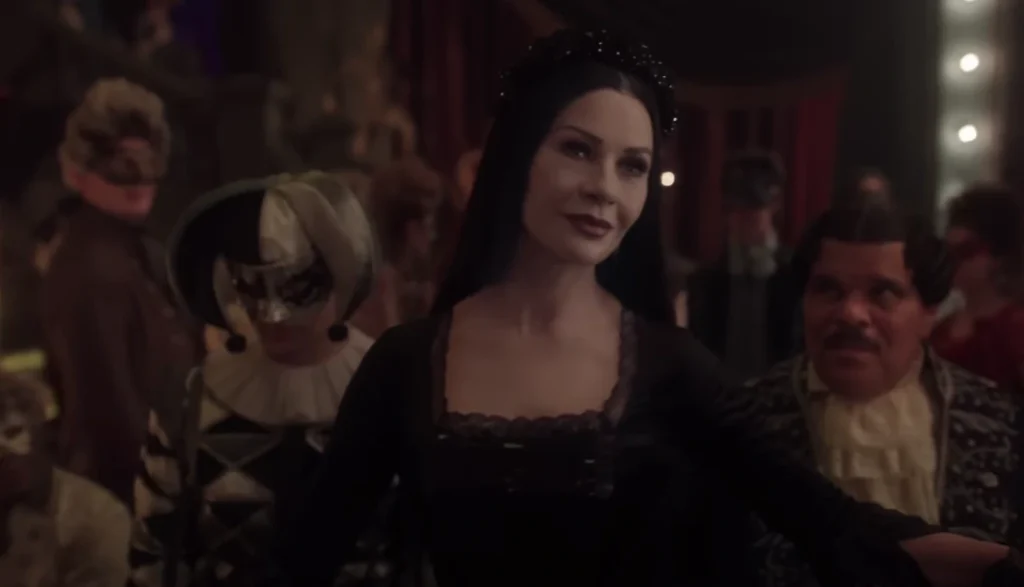
This mysterious symptom suggests something sinister may be affecting her visions, making her question whether she can trust what she sees. The Addams Family plays a much larger role this season, with Morticia (Catherine Zeta-Jones) and Gomez (Luis Guzmán) upgraded to series regulars.

Family Matters at Nevermore

Morticia takes a philanthropic position at Nevermore, allowing her to keep a watchful eye on her daughter. Pugsley (Isaac Ordonez) also joins the student body, giving Wednesday the ultimate teenage nightmare – having your family at school.

Family dynamics take center stage this season with the introduction of Joanna Lumley as Grandmama Hester Frump, Morticia’s mother and a surprising ally for Wednesday. Their relationship offers a fascinating contrast to Wednesday’s complex connection with her own mother.

Tim Burton notes that family tensions create compelling storylines, saying the show explores “very real family dynamics” despite its heightened visual style. Steve Buscemi joins the cast as the new Nevermore principal, Barry Dort, sporting an impressive collection of purple suits.

New Faces and Familiar Foes

Other notable additions include Thandiwe Newton as Dr. Fairburn, Christopher Lloyd in an undisclosed role, and Billie Piper as a character named Isadora Capri. The fresh faces bring new energy to the supernatural school while familiar characters like Emma Myers’ Enid and Joy Sunday’s Bianca return with expanded storylines.

The season’s biggest casting surprise comes in the form of Lady Gaga, who will appear in Part 2 as Rosaline Rotwood, described as “a legendary Nevermore teacher who crosses paths with Wednesday.” Gaga’s connection to the series began when her song “Bloody Mary” became associated with Wednesday’s viral dance scene from Season 1.

Her involvement was announced during a special performance at Netflix’s Tudum fan event. Fans will also be happy to know Fred Armisen returns as Uncle Fester, bringing his chaotic energy back to the series.

A Darker Journey Ahead

Season 2 takes a darker turn, with Jenna Ortega noting they wanted to “lean into the horror aspect of the show a little bit more.” This tonal shift includes removing the love triangle element that dominated parts of Season 1, focusing instead on Wednesday’s friendships, family relationships, and the supernatural mysteries that plague Nevermore.

The creative team has listened to fan feedback, refining the elements that worked while addressing criticisms. Tim Burton returns to direct episodes 1 and 4 of Part 1, bringing his signature visual style to key moments in the season.

His gothic sensibilities continue to influence the show’s aesthetic, from costume design to the overall atmosphere of Nevermore Academy. The production moved from Romania to Ireland for Season 2, with the show becoming the largest production ever filmed in the country.

Early reviews suggest the season delivers on its promise of more macabre fun. Critics praise Ortega’s continued excellence in the role, with many noting her increased creative input as an executive producer has enhanced the show’s authenticity.

Release Details and What to Expect

The release strategy splits the eight-episode season into two parts. Part 1 premieres on August 6, 2025, consisting of four hour-long episodes.

After a month-long wait, Part 2 will follow on September 3, 2025, with the remaining four episodes. This approach has become increasingly common for streaming platforms, helping to extend viewer engagement and conversation around popular shows.

Viewers can expect several mysteries to unfold across the season, including the truth behind Wednesday’s black tears, the identity of Enid’s potential killer, and new secrets about Nevermore Academy’s past. According to co-creator Alfred Gough, “Wednesday’s biggest Achilles heel is certainty. She’s always very certain that she knows what’s right. And a lot of the time, that is not the case.”

For fans of the first season, the return to Nevermore promises more of what they loved while expanding the world and raising the stakes. The increased presence of the Addams Family transforms the show from simply being about Wednesday at school to a more comprehensive exploration of the iconic family and their place in a world of outcasts and supernatural beings.

With Lady Gaga’s appearance, expanded roles for beloved characters, and Burton’s continued creative influence, Wednesday Season 2 aims to build on the massive success of its predecessor. 

Whether you’re drawn to the dark humor, supernatural mysteries, or the perfect deadpan delivery of Jenna Ortega, the new season offers plenty of reasons to return to Nevermore Academy.

Categories
Movies

Ice Cube’s ‘War of Worlds’ Just Made History With 0% on Rotten Tomatoes!

Ice Cube’s alien disaster flick War of Worlds makes history as the latest film to achieve a perfect zero on Rotten Tomatoes. The pandemic-era production finally emerges after five years in storage, proving some films are better left unreleased. 

This screenlife adaptation of H.G. Wells’ classic novel confines its alien invasion entirely to computer screens, with critics universally rejecting the experiment.

A Surveillance Expert Meets Alien Invasion

Ice Cube takes center stage in War of Worlds as Will Radford, a surveillance expert at the Department of Homeland Security. His daily routine of monitoring citizens through government systems gets interrupted when meteors begin striking Earth, releasing alien tripods intent on destruction.

The film utilizes the “screenlife” format, meaning viewers experience the invasion entirely through computer screens and video calls. This approach was chosen partly as a practical solution to pandemic filming restrictions, allowing actors to work remotely during production.

Shot during the height of COVID-19 in 2020, the movie sat unreleased for five years before finally landing on Amazon Prime Video. Producer Timur Bekmambetov initially pitched the concept to Universal Pictures as an innovative way to create a commercial-looking film on a smaller budget.

The Zero Percent Phenomenon

War of Worlds has achieved something truly rare in cinema – a 0% score on Rotten Tomatoes based on over 20 professional reviews. The film joins fewer than 50 movies in history to receive this dubious distinction, placing it among the most universally rejected films ever released.

Critics particularly targeted the excessive Amazon product placement throughout the narrative. Many reviews described the movie as feeling like a feature-length commercial rather than a genuine sci-fi thriller.

The audience score sits slightly higher at 14%, suggesting even viewers at home found little to appreciate. One reviewer called it “a tortuous, endless 90 minutes of glitchy video clips” while another noted the film “wouldn’t pass muster on a whimsical Snickers ad.”

Ice Cube’s son, actor O’Shea Jackson Jr., defended the film on social media by explaining its unusual timeline. “Shot during the pandemic. Released 5 years later,” he tweeted in response to criticism, acknowledging the challenging circumstances of its production.

From Pandemic Solution to Streaming Disaster

The “screenlife” format removes the epic scale typically associated with alien invasion stories. The grand spectacle of Wells’ classic tale gets reduced to video calls and browser windows, making the threat feel distant rather than immediate.

Director Rich Lee makes his feature debut after a career in music videos, including work with Eminem. The screenplay comes from Kenneth Golde and Marc Hyman, who attempt to modernize the century-old story with themes of surveillance and data privacy.

Eva Longoria co-stars as Dr. Sandra Salas, appearing primarily through video calls with Ice Cube’s character. The supporting cast includes Clark Gregg and Andrea Savage, though they’re largely confined to small digital windows rather than sharing physical space with the lead.

The film’s marketing strategy seemed minimal, with Amazon releasing the trailer just a week before its streaming debut. This quiet rollout suggests limited confidence in War of Worlds from its distributors, who may have recognized its fundamental flaws.

A Five-Year Journey to Failure

Some viewers have found unintentional humor in the film’s execution, sharing particularly awkward moments online. A frequently circulated clip features an Amazon delivery person instructing Ice Cube’s character to place an order on Amazon to activate a drone for the alien battle.

The contrast with other adaptations of War of Worlds highlights how presentation affects reception of the same basic story. Spielberg’s version delivered spectacular visual effects and genuine tension, while this version struggles to generate excitement through its digital interface approach.

Despite the negative reception, War of Worlds provides an interesting case study in pandemic-era filmmaking solutions. What might have seemed innovative in 2020, however, appeared dated and restrictive by its 2025 release.

Ice Cube’s War of Worlds serves as a cautionary tale about the risks of experimental formats for classic stories. The zero percent Rotten Tomatoes score will likely remain this film’s most notable achievement, cementing its place in the history of critically rejected cinema.