Categories
Movies

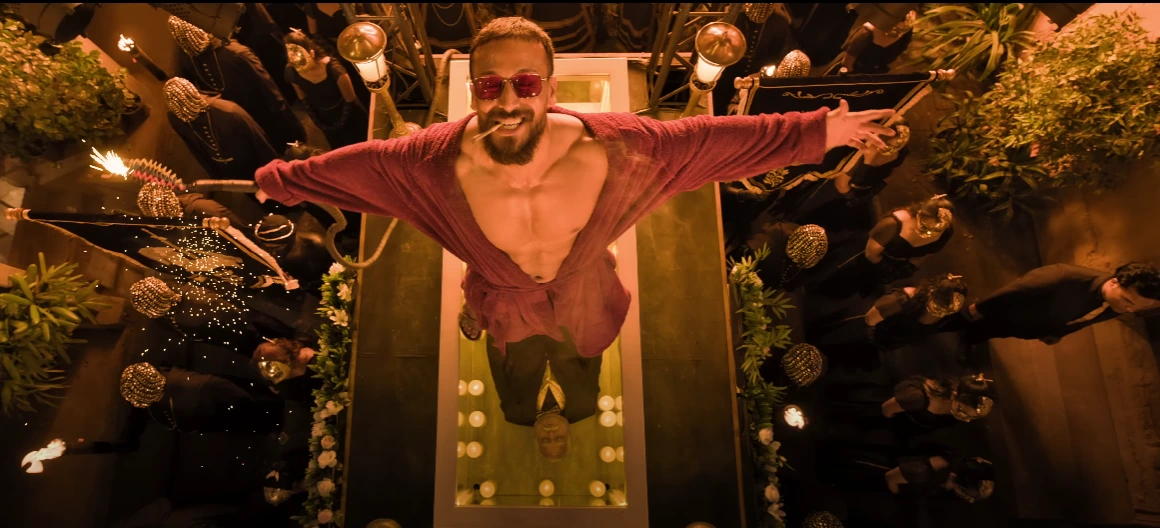
Baaghi 4 Review: Tiger Shroff vs Sanjay Dutt in a Brutal Showdown

When Tiger Shroff movies hit theaters, you know someone’s about to get seriously beaten up, and Baaghi 4 doesn’t disappoint on that front. The fourth entry in the popular action series launched on September 5, 2025, promising more blood, more stunts, and more gravity-defying sequences than ever before.

A. Harsha steps into the director’s chair for his first Hindi film, bringing his experience from successful Kannada action movies like Bhajarangi and Vajrakaya. The Kannada cinema veteran takes the franchise into grittier territory, earning the series its first ‘A’ certificate from the film board. 

Tiger Shroff returns as Ronnie, the unstoppable force we’ve grown to love over three previous films. This time, our hero faces his most personal battle yet, fighting not just villains but his own mental demons.

The story centers on Ronnie surviving a devastating train crash that leaves him physically broken and mentally scarred. He becomes obsessed with a woman named Alisha, played by former Miss Universe Harnaaz Sandhu in her Bollywood debut. 

His brother Jeetu, played by Shreyas Talpade, tries to convince him that Alisha exists only in his imagination. The line between reality and hallucination blurs as Ronnie spirals deeper into obsession and self-destruction.

Sanjay Dutt joins the cast as the main villain, bringing his menacing screen presence to the franchise for the first time. His character Chacko serves as the primary antagonist, though his role remains somewhat limited in screen time. 

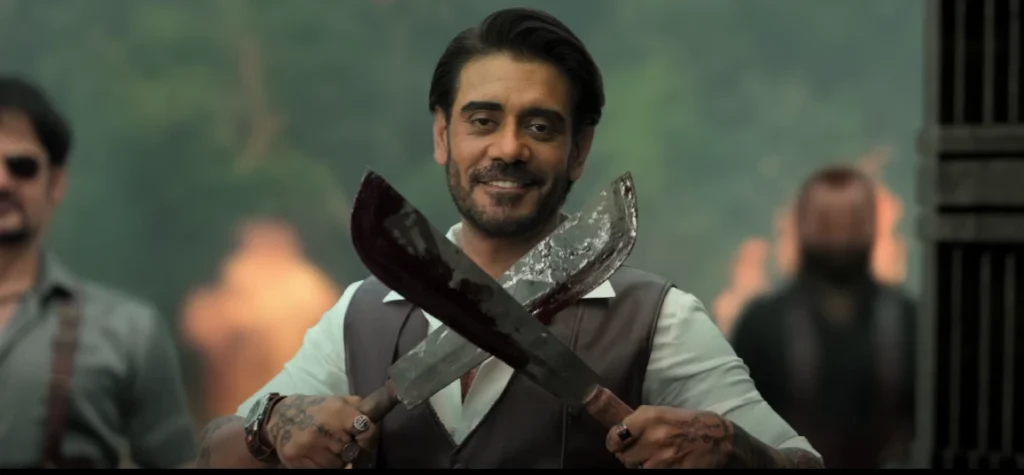
Sonam Bajwa plays Pratishtha, though critics noted her character lacks proper development and purpose in the overall story. The supporting cast includes Upendra Limaye as a police inspector and Saurabh Sachdeva as Paulo, both delivering solid performances in their respective roles.
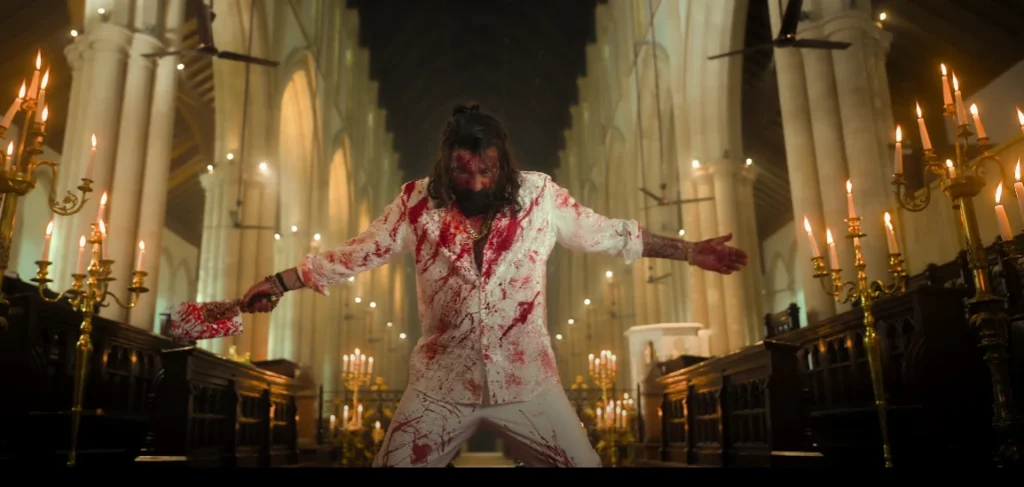
Director A. Harsha’s background in choreography shows in the film’s elaborate action sequences and dance numbers. The movie features songs like “Guzaara,” “Bahli Sohni,” and “Akeli Laila” that add commercial appeal but also extend the runtime to 157 minutes. 

The violence level has been cranked up significantly compared to previous entries, with the Central Board of Film Certification demanding 23 cuts before granting the adult rating. The action sequences blend practical stunts with visual effects, though some critics felt the balance tipped too heavily toward spectacle over substance.

The film’s production budget reportedly reached around ₹70-150 crores, making it one of the more expensive entries in the franchise. Sajid Nadiadwala returns as producer under his Nadiadwala Grandson Entertainment banner, maintaining the high production values the series is known for. 

The movie was shot across multiple locations over several months, with principal photography wrapping in July 2025. The makers invested heavily in creating large-scale action set pieces and international locations to give the film a bigger canvas than its predecessors.

Box office performance started strong with the film earning ₹13.20 crores on its opening day, making it Tiger Shroff’s fifth-highest opener. The numbers placed it as the eighth-biggest Bollywood debut of 2025, though collections dropped significantly on the second day to ₹9 crores. 

The film faced competition from other releases like “The Bengal Files” but managed to maintain the top position during its opening weekend. Trade experts predicted the franchise value and Tiger’s fan following would drive initial numbers, though long-term success depended on audience word-of-mouth.

Critics have been largely unforgiving in their reviews, with most major publications rating the film between 1 to 3 stars out of 5. IMDB users currently rate it 2.6 out of 10, reflecting the general disappointment with the story and execution. 

The consensus seems to be that while the first half engages with decent action and drama, the second half loses focus with excessive songs and melodrama. Many reviewers praised Tiger Shroff’s physical performance and Sanjay Dutt’s villainous turn but criticized the weak screenplay and confusing narrative structure.

The film is reportedly based on the 2013 Tamil movie “Ainthu Ainthu Ainthu,” though significant changes were made to accommodate the Baaghi franchise’s action-heavy format. Rajat Arora handled the dialogue writing, while Sajid Nadiadwala himself wrote the story and screenplay. 

The adaptation process involved reshaping the original’s thriller elements to fit Tiger Shroff’s action hero persona and the franchise’s established tone. However, critics noted that the source material’s psychological thriller aspects got lost in translation to a mass action entertainer.
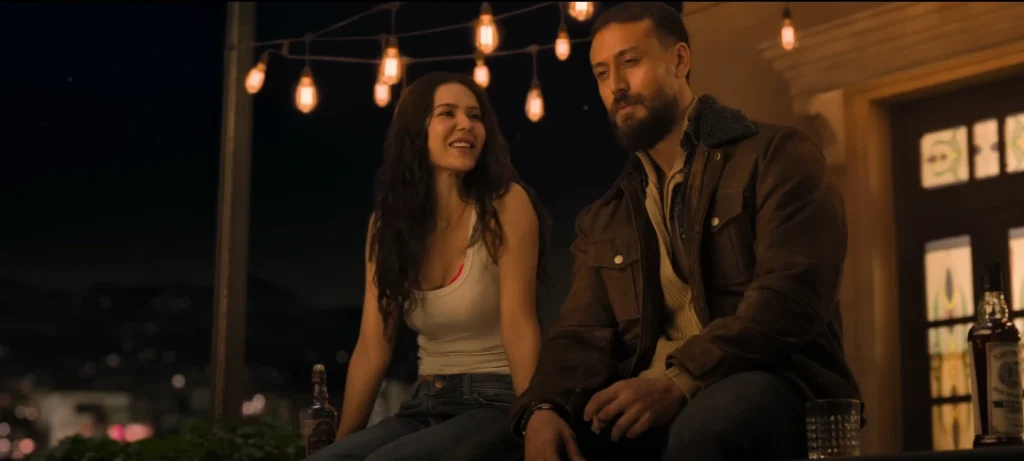
Harnaaz Sandhu’s casting as the female lead marked an interesting choice, bringing a beauty pageant winner into the high-octane action world. The former Miss Universe had to undergo extensive training for the role, including action sequences and dance numbers that required significant physical preparation. 

Her performance received mixed reviews, with some praising her confidence on screen while others felt she needed more experience before taking on such a demanding debut. 

The movie’s technical aspects received praise, particularly Swamy J. Gowda’s cinematography and the action choreography by various specialists. The background score by Sanchit Balhara and Ankit Balhara replaces franchise regular Julius Packiam, bringing a fresh musical approach to the series. 

Multiple music directors contributed to the soundtrack, including Tanishk Bagchi, Badshah, and Payal Dev, creating a diverse musical palette. The editing by Kiran Gowda and Nitin Pathak keeps the pace moving despite the extended runtime, though some felt the film could have benefited from tighter cuts.

Amazon Prime Video acquired the digital streaming rights, with the film expected to debut on the platform in November 2025 after completing its theatrical run. The eight-week theatrical window gives cinema owners adequate time to maximize revenue before the OTT release. 

This timing aligns with the festive season, potentially giving the film a second chance to find its audience on the streaming platform. The digital release might help the film reach viewers who skipped the theatrical experience due to mixed reviews.

Franchise fatigue appears to be setting in, according to several industry observers, with each Baaghi entry facing diminishing critical acclaim despite maintaining commercial viability. The series started strong in 2016 with fresh action sequences and Tiger Shroff’s athletic abilities serving as major draws for audiences. 

However, subsequent entries have been criticized for following similar formulas without enough innovation in storytelling or character development. Baaghi 4 continues this trend, prioritizing spectacle over narrative coherence, which may explain the lukewarm critical reception.
Neverhtless, the franchise’s future depends largely on how well this installment performs in its complete theatrical and digital run. Tiger Shroff remains committed to the action genre, though diversifying into different types of roles might benefit his long-term career prospects. The success of the Baaghi series has established him as Bollywood’s premier action star, but sustained success requires evolution beyond repetitive storylines. 

Baaghi 4 represents both the franchise’s peak in terms of production values and perhaps its creative limitations in terms of storytelling innovation.
Categories
Web Series Reviews

Are We Ready for Urban Indian Horror? What Makes Andhera a Must-Watch

Apparently, regular Mumbai traffic wasn’t scary enough, so someone decided to add supernatural entities to the mix. Urban Indian horror takes a bold new direction with Andhera, a series that transforms the bustling metropolis into a character as complex and dangerous as any villain. 

Prime Video’s Andhera doesn’t rely on jump scares or cheap thrills to create its atmosphere of dread. Instead, creator Gaurav Desai crafts a slow-burning psychological thriller that uses Mumbai’s inherent contradictions to amplify the horror. The city becomes a living, breathing entity that shifts between protective crowds and isolating shadows depending on what the story needs.

The contrast between Mumbai’s glittering skyline and its dark underbelly creates the perfect backdrop for supernatural terror. Director Raaghav Dar uses the city’s monsoon-soaked streets and neon-lit corridors to build an atmosphere where anything might be lurking just beyond the next corner.

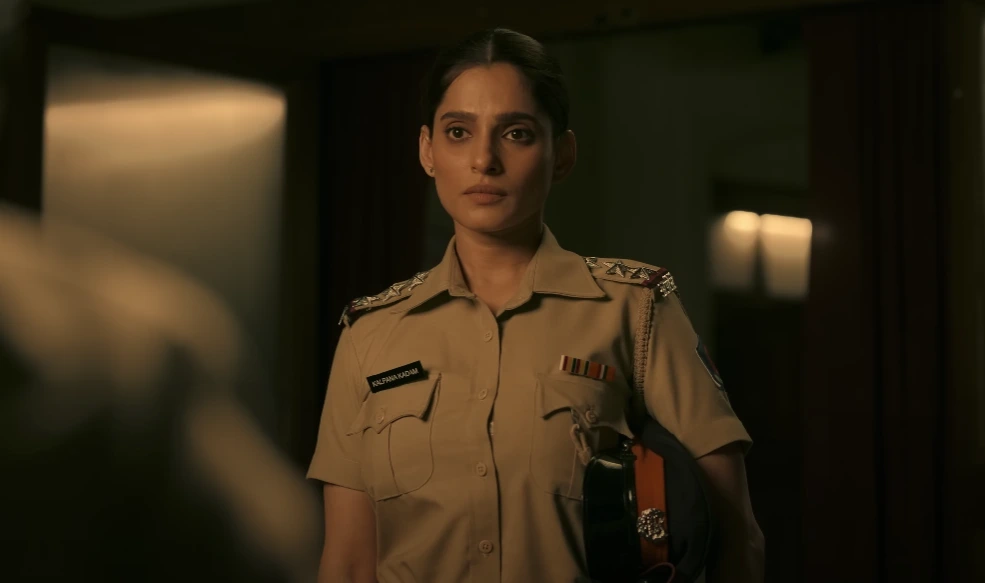
Inspector Kalpana Kadam, played by Priya Bapat, brings a refreshing approach to the typical police investigator role in horror stories. She starts as a skeptic who follows evidence and logic, but her encounters with the supernatural force her to question everything she thought she knew about reality. 

Jay, portrayed by Karanvir Malhotra, serves as the emotional heart of the series through his connection to the first victim and his growing understanding of the supernatural threat. His character represents the younger generation’s willingness to believe in things beyond scientific explanation, creating an interesting dynamic with Kalpana’s more traditional investigative approach. 

The relationship between Kalpana and Jay evolves from mutual suspicion to reluctant partnership as they realize they need each other’s strengths to survive. Their different backgrounds and approaches to problem-solving create natural tension that drives much of the character development throughout the series.

Andhera’s supporting cast includes several strong female characters who refuse to be relegated to victim status or romantic subplots. Prajakta Koli’s Rumi brings her social media savvy and fearless curiosity to the supernatural investigation, while Surveen Chawla’s character adds another layer of complexity to the mystery. The series makes a conscious effort to show women as active participants in the horror rather than passive targets waiting to be rescued.

The series distinguishes itself from other Indian horror productions by focusing on psychological terror rather than traditional folklore or religious imagery. Instead of relying on familiar ghosts or demons from Indian mythology, Andhera creates its own urban legend that feels specifically tied to modern city life. 

Sound design plays a crucial role in building the series’ unsettling atmosphere, with everyday city noises transformed into potential threats. The creators use Mumbai’s natural soundscape – traffic, construction, crowds – and twist these familiar sounds into something sinister through careful audio manipulation.

The visual effects in Andhera focus on practical elements and atmospheric lighting rather than elaborate CGI monsters, creating horror that feels grounded in reality. Shadows move in ways that seem almost natural until you realize they shouldn’t be moving at all, while reflections in windows and mirrors hint at presences that shouldn’t exist. 

Character development remains strong throughout the series, even as the supernatural elements intensify, with each main character forced to confront personal demons alongside the literal monster. The writers avoid the common horror trap of making characters act illogically just to advance the plot, instead showing how rational people might react when faced with impossible situations.

The series tackles contemporary social issues through its horror lens, using the supernatural threat as a metaphor for real-world problems like corruption, mental health stigma, and urban alienation. Characters must deal with bureaucratic obstacles and professional scepticism even as they try to save lives from supernatural danger.

Andhera’s pacing allows for proper character development and world-building while maintaining tension throughout its eight-episode run. The series avoids the common streaming trap of either rushing through plot points or padding episodes with unnecessary content. 

The show’s exploration of mental health and trauma through a supernatural lens offers a unique perspective on topics that Indian media often handles with less sensitivity. By making the monster literally feed on psychological pain, the series creates a framework for discussing depression, PTSD, and other mental health issues in ways that feel organic to the story. 

Production values throughout Andhera maintain professional standards that compete with international horror series, proving that Indian creators can match global content when given proper resources and creative freedom. The series benefits from strong writing, committed performances, and technical expertise that create a cohesive vision from start to finish. 

Urban Indian horror has found its voice in Andhera, setting a new standard for what Indian supernatural entertainment can achieve when it embraces both local culture and universal fears.

Categories
Movies

Tehran Movie Review: The Spy Saga That Refuses Simplistic Heroes and Villains and Why That Matters

When did spy movies become so obsessed with making everyone either a perfect hero or pure evil villain? Tehran starts with this question that haunts modern cinema. John Abraham steps into the role of DCP Rajeev Kumar, a man who defies every stereotype we’ve come to expect from Bollywood action heroes.

The film draws inspiration from the real 2012 bomb blast near the Israeli Embassy in Delhi, but uses this event as a springboard for deeper questions about morality and loyalty. Director Arun Gopalan refuses to take the easy path of painting any nation or individual as completely good or bad. This choice immediately sets Tehran apart from the usual flag-waving spectacles we see around Independence Day.

Abraham’s performance marks a significant departure from his typical action hero roles, bringing quiet intensity instead of loud bravado. His character operates in moral gray areas where right and wrong blur like smoke in the desert wind. The actor himself has called this role one of the most layered and intense of his career, and it shows in every scene.

Manushi Chhillar and Neeru Bajwa provide strong support without falling into typical female character traps that plague many action films. Both actresses portray women with agency and moral clarity, even when the world around them crumbles. Their performances add emotional weight to a story that could have easily become a simple revenge tale.

The screenplay by Ritesh Shah, Ashish Prakash Verma, and Bindi Karia treats geopolitical tensions with remarkable maturity and respect. Instead of reducing complex international relationships to simple good versus evil narratives, the writers acknowledge the messy reality of diplomacy. Every country involved has legitimate concerns and questionable methods, creating a web of competing interests that feels authentic.

Tehran uses Persian dialogue extensively, adding authenticity that many Hindi films avoid due to commercial concerns. This choice forces viewers to engage more actively with the story through subtitles, but the payoff comes in genuine cultural representation. The film respects its Iranian characters enough to let them speak their own language rather than awkward Hindi with forced accents.

The direction maintains a slow-burn approach that builds tension through character development rather than constant explosions. Gopalan trusts his audience to follow complex plotting without spoon-feeding every plot point through exposition. This confidence in viewer intelligence creates a more satisfying viewing experience for those willing to pay attention.

Production values support the story’s realistic approach with authentic locations and costumes that transport viewers into this world. The cinematography captures both the bustling chaos of Delhi and the stark beauty of Iranian landscapes without turning either into exotic postcards. Every visual choice serves the narrative rather than existing purely for spectacle.

The film’s treatment of patriotism offers a refreshing alternative to the usual chest-thumping nationalism found in similar movies. Tehran suggests that real love of country sometimes means questioning official policies and making difficult personal sacrifices. This mature approach to national loyalty feels particularly relevant in today’s polarized political climate.

Critics have praised the film’s willingness to explore moral ambiguity without providing easy answers to complex questions. ZEE5 deserves credit for supporting this kind of intelligent content that challenges viewers rather than simply entertaining them. The streaming platform’s decision to premiere this film on Independence Day sends a message about the kind of patriotic stories worth telling.

Audience reception has been largely positive among viewers who appreciate thoughtful filmmaking over mindless action sequences. Social media reactions highlight the film’s screenplay as its biggest strength, with many noting how refreshing it feels to watch characters who behave like real people. The film has found particular favor with viewers tired of traditional spy movie clichés.

The movie’s exploration of how ordinary people get caught in the crossfire of international politics resonates beyond its specific setting. Tehran reminds us that behind every news headline about diplomatic tensions lie real human beings whose lives get upended by forces beyond their control. This humanistic approach elevates the material above typical genre fare.

The film’s pacing might challenge viewers accustomed to constant action, but patient audiences will find rewards in its character-driven approach. Tehran earns its dramatic moments through careful setup rather than manufactured crisis, creating emotional investment that pays off in the climax. This methodical storytelling approach distinguishes the film from more frantic contemporary thrillers.

Technical aspects like Tanishk Bagchi’s music score support the narrative without overwhelming it, avoiding the bombastic background music that often mars similar films. The editing maintains steady momentum while allowing scenes to breathe when characters need space for emotional development. These choices create a more immersive viewing experience that draws viewers into the story world.

The film’s relevance extends beyond entertainment value to offer commentary on how media and governments shape public opinion about international conflicts. Tehran suggests that reality is always more complicated than the simplified narratives we see in news reports or political speeches. This meta-textual awareness adds depth for viewers willing to engage with the film’s larger themes.

Tehran represents a mature evolution in Indian cinema’s approach to political storytelling. Rather than providing comfortable certainties, it challenges viewers to think critically about loyalty, justice, and the human cost of geopolitical games. The film succeeds as both entertainment and food for thought, proving that audiences are ready for more sophisticated narratives that respect their intelligence.

Categories
Movies Upcoming Movies

Baaghi 4: Is This the Most Violent Hindi Action Film Ever Made?

Baaghi 4 pushes boundaries with its raw action scenes that might establish it as the most brutal film in Hindi cinema history. Tiger Shroff returns as Ronnie in a significantly darker avatar, carrying visible scars from his most challenging role yet. The teaser hints at unprecedented levels of graphic content that could change how action films are made in Bollywood.

Baaghi 4 marks the return of Tiger Shroff as Ronnie, but this time he’s completely transformed with a savage new attitude. The film’s first look shocked fans with images of Tiger covered in blood, sitting among dead bodies, suggesting this installment will be far more violent than its predecessors. Director A. Harsha, making his Hindi film debut, seems determined to create an action spectacle that stands apart from typical Bollywood fare.

The fourth installment of the Baaghi franchise introduces a more complex storyline where love and violence intertwine. Tiger’s character faces off against Sanjay Dutt, who plays the main antagonist, in what promises to be a bloody confrontation. The teaser’s tagline “Har Aashiq Ek Villain Hai” (Every lover is a villain) hints at emotional motivations behind the brutal violence that will unfold.

Baaghi 4’s production team has taken special care to create realistic action sequences that push beyond what’s been seen in Hindi cinema. The film received an A certificate from the Central Board of Film Certification months before its release, confirming its adult-oriented content. Tiger himself admitted in social media posts that he “bled more for this film” than any previous project.

The visual style of Baaghi 4 appears heavily influenced by recent violent hits like Animal, which redefined what’s acceptable in mainstream Hindi cinema. Both films share an unapologetic approach to showing graphic violence. Animal, directed by Sandeep Reddy Vanga and starring Ranbir Kapoor, was criticized yet commercially successful despite its brutal content and 3-hour plus runtime.

What sets Baaghi 4 apart is its focus on hand-to-hand combat rather than gun violence. Tiger Shroff, known for his martial arts skills, performs complex fight choreography that showcases his physical abilities. The action sequences appear more visceral and intimate than typical action films, with the camera staying close to capture every painful impact.

Comparisons to South Indian action films like Marco are unavoidable, as both push the boundaries of on-screen violence. Marco, a 2024 Malayalam film that later received a Hindi dub, was noted for its extremely graphic content that earned it restricted ratings across multiple countries. Baaghi 4 seems poised to bring that level of intensity to a mainstream Hindi production.

When considering how Baaghi 4 fits into Tiger Shroff’s career, this marks a significant turning point. The actor appears to be leaving behind his cleaner image to embrace a grittier persona. His recent social media updates about the film’s completion mentioned the physical toll it took, suggesting he pushed himself to new limits for this role.

The Baaghi franchise has always been known for its action, but each installment has progressively increased the intensity. The first film in 2016 was relatively tame compared to what followed. Baaghi 2 in 2018 featured more explosive set pieces, while Baaghi 3 in 2020 expanded the scale further with international locations and larger stunts.

Baaghi 4 appears to be taking a different approach by focusing on the raw brutality rather than just bigger explosions. The teaser shows limbs being severed, blood spattering across walls, and fighters using unconventional weapons. This shift mirrors a trend in global action cinema toward more realistic portrayals of violence rather than stylized, bloodless combat.

Sajid Nadiadwala, the producer of all four Baaghi films, seems willing to take risks with this franchise that other Bollywood producers might avoid. The Baaghi series has consistently performed well at the box office despite mixed critical reception. This commercial success has likely given the creators confidence to push boundaries further with each new installment.

The marketing campaign for Baaghi 4 leans heavily into its violent content rather than hiding it. Early posters and teasers explicitly showcase the brutal nature of the film, suggesting the producers see this as a selling point rather than something to downplay. This marketing strategy represents a shift in how Hindi films are promoted to audiences.

The timing of Baaghi 4’s release is notable, coming after several recent Hindi films have tested the boundaries of acceptable content. Films like Animal and Kill have already conditioned audiences for more extreme violence, potentially making Baaghi 4’s approach more acceptable to mainstream viewers. This timing may help the film find its audience despite its intense content.

The question remains whether Baaghi 4 will truly be the most violent Hindi action film ever made, or if it’s simply using that angle for marketing purposes. Other recent Hindi films have certainly pushed boundaries, but Baaghi 4’s combination of star power, franchise recognition, and explicit violence could make it a landmark film in how Hindi cinema portrays action. The film’s September 5, 2025 release will answer whether Baaghi 4 actually delivers on its bloody promises.

Categories
Web Series Reviews

Fact vs. Fiction: How Closely Does Salakaar Mirror Ajit Doval’s Legacy?

JioHotstar’s new spy show Salakaar has everyone talking about the real-life spy it’s based on. The series tries to show the amazing life of India’s spy-turned-security chief Ajit Doval, through its main character Adhir Dayal. But how much of what we see on screen actually matches the real spy’s adventures?

Watching spy shows is fun, but it’s even more exciting when they’re based on real people. The new series Salakaar on JioHotstar tries to tell the story of India’s top spy-turned-security boss Ajit Doval through a character named Adhir Dayal. 

The show jumps between 1978 and 2025, showing how a young spy’s work in Pakistan connects to today’s security problems.

The story focuses on Pakistan trying to build nuclear weapons after India’s 1974 nuclear test. Director Faruk Kabir uses this historical backdrop to create a thriller about spies risking their lives to protect their country. The show tries to capture the dangerous world of secret agents who gather information while living double lives.

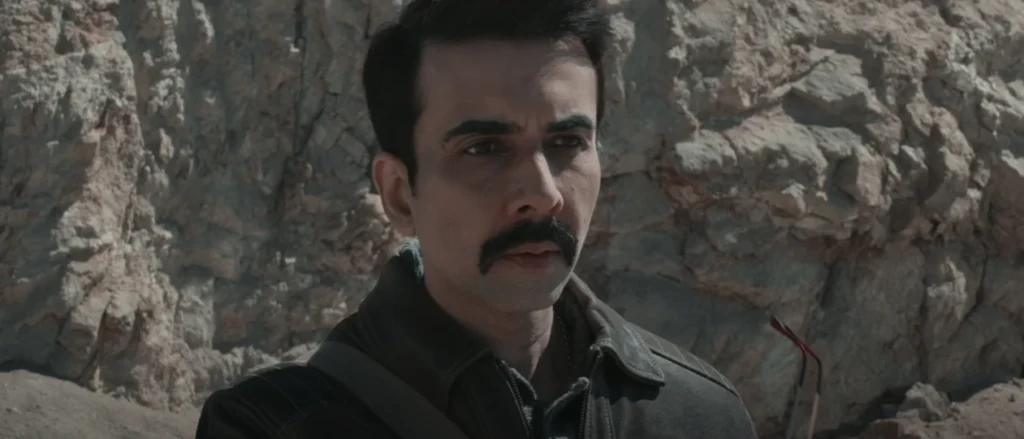
Actor Naveen Kasturia plays the Doval-inspired character, with Mouni Roy as a modern-day intelligence agent. 

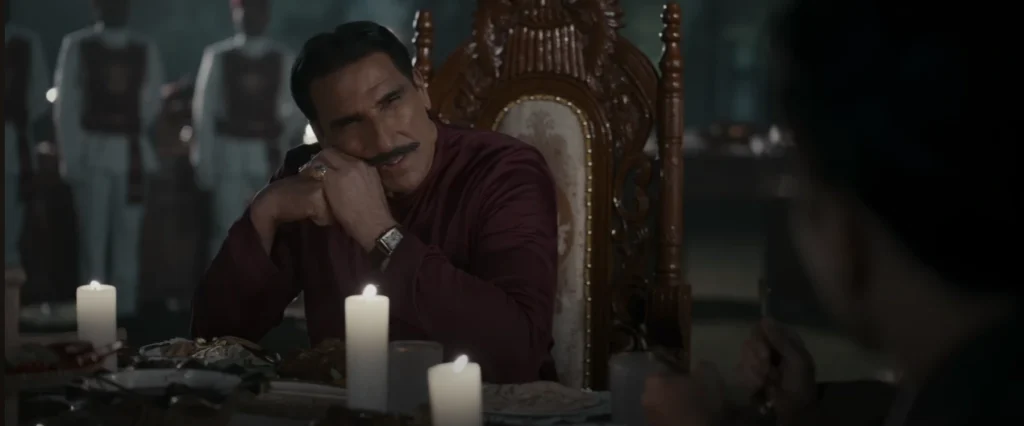
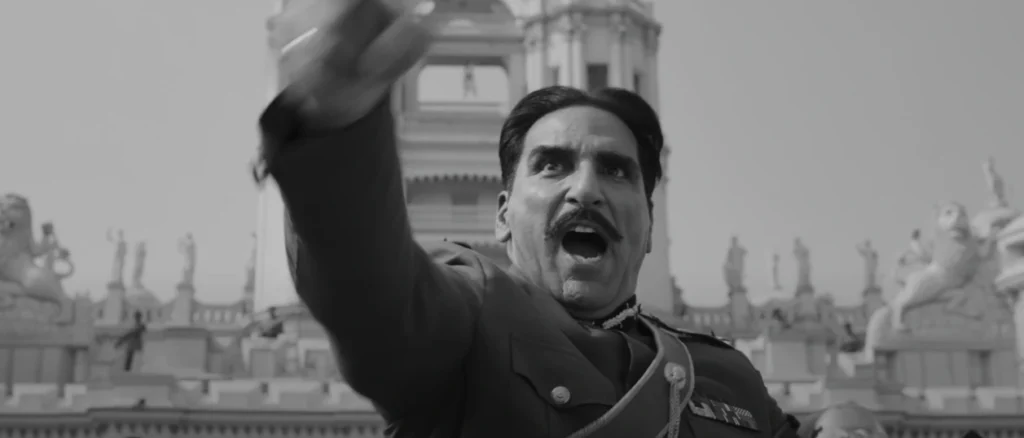
Mukesh Rishi plays the role of Pakistani General Zia, adding a historical touch to the series. The cast works hard to bring these characters to life, though the real-life figures they’re based on had much more complex lives.

While Salakaar uses real events as its starting point, it takes a lot of creative freedom with Doval’s actual life. The real Ajit Doval joined the police service in 1968 and slowly built his reputation over 50+ years of service. A five-episode show simply can’t cover such a long career with all its ups and downs.

The show makes Adhir Dayal look like a one-man army who single-handedly saves the day. Real spy work involves teams of people working together, careful planning, and lots of patience. Even the best spies like Doval relied on networks of contacts and support from their agencies.

Doval’s real-life achievements are impressive enough without Hollywood treatment. In 1988, during Operation Black Thunder, he reportedly disguised himself and infiltrated the Golden Temple to gather information about Khalistani militants. He also helped negotiate the release of hostages in airplane hijackings, including the famous IC-814 case in 1999.

The real Doval spent decades building contacts and slowly climbing the ranks from field agent to policy maker. His journey from collecting information on the ground to making big security decisions for the country shows how hands-on experience shaped his thinking. This gradual career growth is something the fast-paced show doesn’t have time to explore properly.

The biggest difference between the show and reality is how spy work actually happens. Salakaar shows lots of action scenes and quick solutions to problems. Real intelligence work is slow, boring at times, and success often comes from tiny bits of information gathered over months or years.

Doval received the Kirti Chakra award in 1988, making him the first police officer to get this honor usually given to military personnel. His time in Pakistan probably involved quietly blending in and patiently gathering information, not the dramatic confrontations we see in the show. The real work of a spy is about staying invisible, not standing out.

Since becoming National Security Advisor in 2014, Doval has shaped India’s approach to threats with what some call “defensive offense.” This means taking action before enemies can attack India rather than just responding after attacks happen. This thinking comes from his years of experience that the show only hints at.

The show squeezes decades of history into a few hours and makes complex situations look simple. Real India-Pakistan relations have many layers of politics, history, and security concerns that can’t be reduced to good guys versus bad guys. The actual spy operations between these countries were probably much more subtle than what we see on screen.

What Salakaar does well is shine a light on the hidden heroes who work in the shadows to keep their country safe. By showing a version of Doval’s work, even if dramatized, it helps people appreciate the risks intelligence officers take. The show makes us think about the secret world of spies that usually stays hidden from public view.

Where the show misses the mark is showing how intelligence agencies actually work. The real Doval was part of the Intelligence Bureau, with rules to follow and teams to work with. His success came from knowing when to follow the rules and when to get creative, a balance that’s harder to show on TV than lone-wolf heroics.

Whether Salakaar is good or bad depends on what you’re looking for. As an entertaining spy thriller, it delivers action, suspense and drama that will keep you watching. As a history lesson about Doval’s actual career, it takes many shortcuts and adds Hollywood-style excitement to real events.

The real Ajit Doval’s biggest achievement isn’t any single mission but how he’s helped shape India’s entire approach to security. From his early days as a field agent to his current role as NSA, he’s influenced how India handles threats in our complex world. This big-picture impact on India’s security thinking is the true Salakaar Ajit Doval comparison that matters most.

Categories
Movies Upcoming Movies

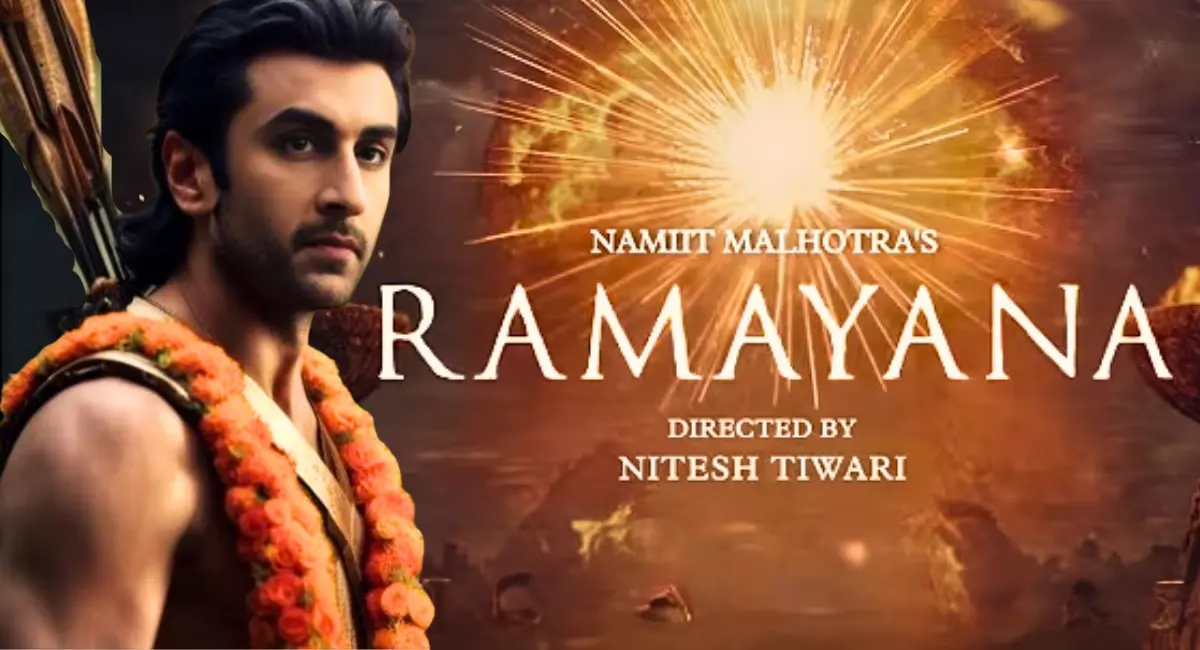
Nitesh Tiwari’s Ramayana – India’s Most Ambitious Cinematic Project

Nitesh Tiwari’s Ramayana stands ready to rewrite the history of Indian cinema. This monumental adaptation of the beloved Hindu epic brings together stellar performances, cutting-edge technology, and an unprecedented budget that could establish new benchmarks for the industry.

The project marks the most ambitious undertaking in Bollywood’s recent history. Tiwari, acclaimed for masterpieces like Dangal and Chhichhore, now steps into mythological territory with a vision that promises to captivate audiences worldwide.

The Record-Breaking Budget and Two-Part Structure

The makers have allocated an astronomical ₹835 crore budget solely for Part One, making it India’s most expensive film ever. This staggering investment of $100 million surpasses previous Indian blockbusters by significant margins.

Producer Namit Malhotra plans to expand this budget further as the franchise grows. The two-part structure allows filmmakers to tell the complete story without compromising on visual grandeur or narrative depth.

The majority of this budget will fund CGI and post-production work, with the film requiring 600 days of post-production alone. This extended timeline speaks volumes about the commitment to creating original, high-quality visuals.

Star Cast That Could Set a New Benchmark

Ranbir Kapoor as Lord Ram

Ranbir Kapoor leads the cast as Lord Ram, bringing his versatile acting skills to this sacred role. Reports suggest Kapoor has completed nearly 90% of his work for Part One, dedicating substantial time to embodying the divine character.

The actor reportedly earned ₹225 crore for the entire trilogy, making it one of the highest actor fees in Indian cinema history.

Yash as Ravana

Kannada superstar Yash, famous for the KGF franchise, portrays the complex antagonist Ravana. His casting brings pan-Indian appeal and adds star power that transcends regional boundaries.

Yash began filming his portions in December 2024 after completing significant work on his project Toxic.

Sai Pallavi as Sita

Sai Pallavi steps into Bollywood with her portrayal of Goddess Sita. Known for her authentic performances in South Indian cinema, she brings natural grace and emotional depth to this revered character.

The supporting cast includes veterans like Sunny Deol as Hanuman, Ravi Dubey as Lakshman, and Arun Govil (the original TV Ramayana’s Ram) as Raja Dashrath.

The Role of VFX in Bringing Ramayana to Life

Namit Malhotra, founder of Prime Focus Limited and CEO of DNEG, oversees the visual effects. DNEG has won eight Academy Awards, including recognition for Dune: Part Two.

The team previously worked on Hollywood blockbusters like Blade Runner 2049 and Dune, bringing that international expertise to Indian mythology. This collaboration ensures world-class visual effects that can compete globally.

The 600-day post-production schedule allows for meticulous attention to detail. Every frame will undergo rigorous quality control to create visuals worthy of this timeless story.

Why Ramayana Could Outperform Baahubali at the Box Office

Baahubali 2 currently holds the record as India’s highest-grossing film with ₹1,810 crore worldwide collections. However, Ramayana possesses several advantages that could help it surpass this milestone.

The Ramayana story enjoys universal recognition across India and globally. Unlike region-specific narratives, this epic resonates with audiences regardless of language or cultural background.

The star cast spanning multiple film industries ensures appeal across linguistic barriers. Ranbir Kapoor’s Bollywood fanbase, Yash’s South Indian following, and Sai Pallavi’s pan-Indian recognition create a perfect storm for box office success.

The unprecedented budget promises visual spectacle that could draw audiences to theaters multiple times. Early reports suggest the film will redefine what Indian cinema can achieve on the technical front.

Expected Release Timeline: 2026-2027

The first part releases during Diwali 2026, with Part Two following on Diwali 2027. This festival timing maximizes box office potential during India’s biggest celebration period.

The two-year gap between releases builds anticipation while allowing adequate time for post-production excellence. Makers recently announced these dates with the film’s first poster, generating massive excitement among fans.

This timeline positions both films strategically during peak movie-going seasons, potentially setting new opening weekend records.

Could Ramayana Be the Biggest Movie Ever?

Nitesh Tiwari’s Ramayana possesses every ingredient needed to become India’s biggest cinematic achievement. The combination of beloved source material, stellar performances, cutting-edge technology, and unprecedented investment creates unprecedented potential.

The project represents more than entertainment – it’s a cultural phenomenon that could elevate Indian cinema’s global standing. If executed successfully, this adaptation might not just break box office records but also establish new standards for mythological storytelling worldwide.

The film industry watches closely as this ambitious project takes shape, knowing it could reshape Indian cinema for future generations.

Categories
Movies Uncategorized

CGI vs Storytelling in Bollywood: The Case of Maa and the Industry’s VFX Dilemma

Bollywood CGI issues have reached a tipping point where poor visual effects are overshadowing strong storytelling. The recent release of “Maa,” starring Kajol, perfectly exemplifies this growing problem. 

Despite featuring compelling performances and an emotionally rich script, the film’s subpar CGI undermined its impact, leaving audiences frustrated with what could have been a memorable cinematic experience.

CGI vs storytelling in Bollywood has become an increasingly contentious debate. While international cinema successfully balances cutting-edge visual effects with narrative depth, Bollywood continues to struggle with this fundamental challenge, often prioritizing spectacle over substance or delivering neither effectively.

The CGI-Storytelling Dilemma: What Went Wrong in Maa?

Maa movie CGI issues serve as a prime example of how poor visual effects can derail an otherwise promising film. Critics and audiences consistently pointed out the film’s “tacky VFX” and “mediocre special effects,” particularly in supernatural sequences featuring the antagonist.

Bollywood CGI failures in Maa were especially evident in scenes requiring mythological elements. The supernatural antagonist, created entirely through special effects, was compared unfavorably to “Groot” from Marvel films, failing to generate the intended fear or awe. Instead of enhancing the horror atmosphere, these sequences became unintentionally comedic.

CGI and storytelling clash occurred throughout Maa’s runtime, with visual effects feeling disconnected from the emotional core of the story. While Kajol delivered a powerful performance as a mother protecting her daughter, the poor CGI execution diminished the impact of pivotal supernatural moments that should have elevated the narrative tension.

Why Bollywood Needs to Rethink Its CGI Approach

Bollywood CGI budget issues extend beyond individual films to represent systemic problems within the industry. Many productions allocate substantial portions of their budgets to marketing and star salaries while neglecting the technical aspects crucial for modern filmmaking.

Why Bollywood needs better VFX becomes evident when comparing films like Maa to successful projects in the Shaitaan universe or Maddock Cinematic Universe productions. These films have established benchmarks for quality CGI that enhance rather than detract from storytelling.

CGI and story balance Bollywood remains elusive because filmmakers often treat visual effects as an afterthought rather than an integral part of the creative process. This approach results in rushed, poorly executed sequences that fail to serve the narrative effectively.

Learning from International Cinema: A Balance Between CGI and Story

International films CGI balance demonstrates how visual effects should support storytelling rather than replace it. Movies like “The Lord of the Rings” trilogy, Marvel films, and recent successes like “Dune” show how CGI can create believable worlds while maintaining emotional authenticity.

Bollywood learns from international cinema by studying how Hollywood allocates resources and time for VFX development. International productions typically involve VFX teams from the pre-production stage, ensuring visual effects align with the director’s vision and story requirements.

CGI in storytelling works best when it feels invisible or enhances practical elements rather than replacing them entirely. International successes demonstrate that audiences appreciate authenticity over flashy but unconvincing digital spectacle.

What Can Bollywood Do to Improve Its VFX and CGI?

Improving VFX in Bollywood requires fundamental changes in how the industry approaches visual effects. First, productions must allocate adequate time and budget for VFX development, treating it as essential as cinematography or sound design.

Bollywood CGI solutions include investing in skilled VFX professionals, establishing long-term partnerships with quality studios, and incorporating visual effects planning during script development. Films should use practical effects wherever possible and employ CGI to enhance rather than replace physical elements.

Better CGI in Bollywood films demands industry-wide commitment to quality over quantity. Rather than attempting numerous complex visual effects sequences, filmmakers should focus on executing fewer sequences with higher quality standards.

The Future of Bollywood: Will CGI Continue to Dominate?

Future of Bollywood CGI depends on whether the industry learns from current failures and successes. The Indian VFX market, valued at ₹5,400 crore in 2023, continues growing at 8% annually, indicating sustained investment in visual effects technology.

Bollywood CGI trends show increasing collaboration with international studios and adoption of AI-powered tools that can improve efficiency and quality. However, technological advancement alone won’t solve fundamental creative and budgetary allocation problems.

Bollywood filmmaking future will likely see a bifurcation between high-budget spectacles with world-class VFX and smaller films focusing on storytelling with minimal digital effects. Success will depend on matching technical ambitions with available resources and creative vision.

Moving Forward: Balancing CGI and Story in Bollywood Films

The case of Maa illustrates why Bollywood CGI issues require immediate industry attention. When strong performances and compelling scripts are undermined by poor visual effects, the entire cinematic experience suffers, potentially damaging audience trust and box office performance.

CGI and story balance Bollywood must become a priority for filmmakers who want to compete globally while serving domestic audiences. This means treating visual effects as storytelling tools rather than marketing gimmicks or budget afterthoughts.

Bollywood film industry future depends on recognizing that modern audiences have sophisticated visual literacy developed through exposure to international content. The industry must either meet these raised expectations or focus on strengths that don’t require extensive CGI, ensuring that Bollywood storytelling and CGI work in harmony rather than opposition.

Categories
Best Movies Movies

Underrated Bollywood Movies to Watch in 2025

Bollywood’s biggest enemy is no longer piracy or audience preference—it’s its own complacency.

In the last 2–3 years, a shocking trend has emerged—more than 80% of Hindi films have either underperformed or completely flopped, not because of audience disinterest, but due to lazy filmmaking, poor script, copied content and an over-dependence on star power.

Actors with massive fanbases, like Akshay Kumar, Aamir Khan, and Salman Khan, have all had films that failed to connect with audiences. Titles like Housefull 5, Bade Miyan Chote Miyan, Selfiee, Prithviraj Chauhan, Bachchan Pandey, Sikandar, and even Laal Singh Chaddha—despite huge budgets, all-star casts, and heavy promotions—ended up disappointing viewers due to poor writing, predictable scripts, or lack of emotional depth.

According to Business Standard, audience footfall in theatres for Hindi films dropped by nearly 35%, even as smaller films (12th Fail, Sirf Ek Bandaa Kaafi Hai, Laapataa Ladies) gained love through OTT and strong word of mouth.

Bad acting is rewarded, bad writing is normalized, and new ideas are crushed to play it safe. Even Aamir Khan admitted Bollywood lacks sincerity in storytelling, while Javed Akhtar questioned why South Indian cinema can still bring Hindi-speaking audiences to theatres, despite similar OTT availability.

Bollywood isn’t failing because people don’t want to visit theatres—it’s failing because there’s often nothing worth watching.

So What’s the Solution?

It’s time to stop blaming the audience and start highlighting the good Hindi films that got buried under poor marketing, small budgets, or lack of star power. These are the movies that didn’t trend on Instagram but touched hearts, showcased great performances, and had stories that actually mattered.

Today, we will talk about some of the most underrated Bollywood movies that will leave a lasting impression on you. I’ve watched each of these films personally, and I can say this confidently: if you love deep stories, real emotions, powerful acting, and memorable characters, this list is for you.

But—if you’re looking for loud action like Pushpa, larger-than-life antiheroes like Animal, or commercial drama like Kabir Singh, this might not be your thing. These movies aren’t designed for box office gimmicks. They are made to tell real stories, touch the heart, and stay with you long after the credits roll.

Some of today’s best actors gave their career-best performances in these films—simply because they got the right script and a strong director.

Names like:

  • Manoj Bajpayee,
  • Ravi Kishan,
  • Randeep Hooda,
  • Dhanush,
  • Abhay Deol,
  • Arjun Rampal,
  • Paresh Rawal,
  • Jimmy Shergill,
  • Irrfan Khan,
  • Anupam Kher

They don’t always need 100-crore sets or overhyped trailers to shine. They just need a meaningful role.

You can watch all 12 movies mentioned in the list for free on YouTube. They’re reminders of what good cinema actually feels like.

So if you’re tired of movies with forced comedy, multiple endings, or songs every 10 minutes, this list will remind you what Bollywood used to do best.

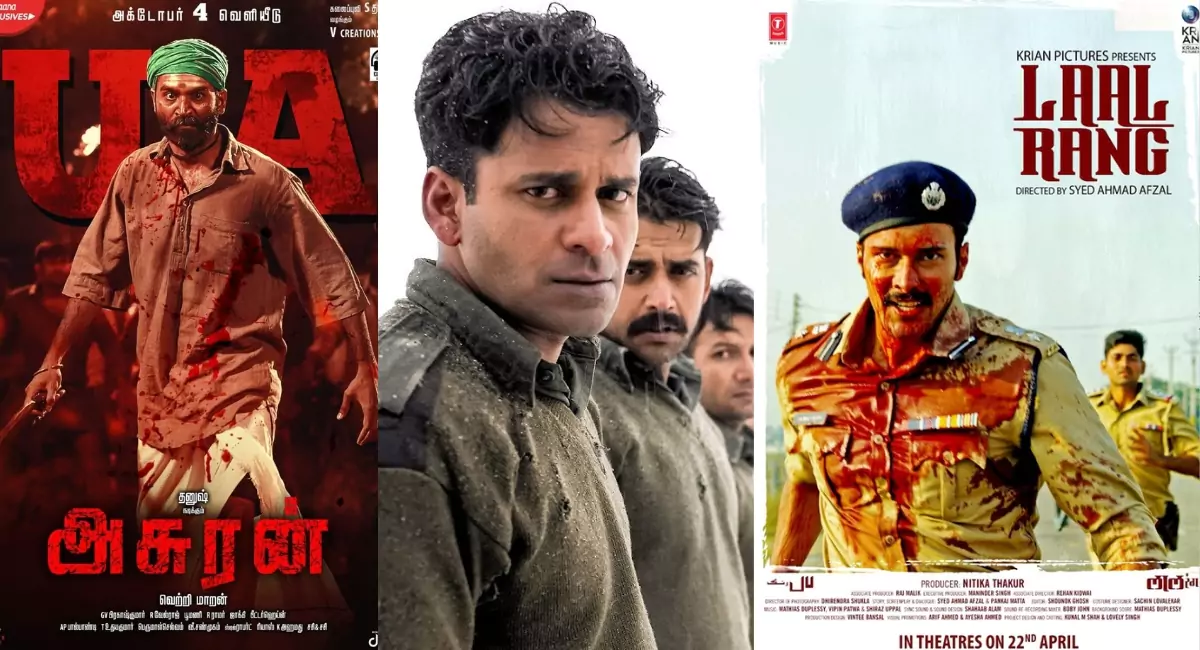
1. 1971 (2007)

Director: Amrit Sagar
Cast: Manoj Bajpayee, Deepak Dobriyal, Ravi Kishan, Chittaranjan Giri, Kumud Mishra
Running Time: 2 hours 40 minutes
IMDB – 8.1 

1971 is a gripping war drama based on a real issue that many still don’t know—Indian soldiers captured as prisoners of war (POWs) during the Indo-Pak conflict, left behind and forgotten. The film follows the escape attempt of six brave Indian soldiers from a Pakistani jail, focusing not just on action, but on the quiet heroism, trauma, and hope of those trapped across enemy lines. Directed by Amrit Sagar (grandson of Ramanand Sagar), it’s a rare gem of patriotic storytelling, free from over-the-top nationalism.

The film won the National Award for Best Hindi Feature Film and yet barely made a mark commercially. It remains one of India’s most underrated war films ever made.

The acting was universally praised, especially Manoj Bajpayee’s performance, which many called his best. The background music, cinematography, and realistic act also received high praise. Despite limited promotion and no A-list glamour, audiences who discovered it found themselves returning to it again and again. The cast—full of what many would call “underrated actors”—deliver better performances than most overhyped blockbusters. It’s a film that doesn’t age; it reminds you of the value of sacrifice, freedom, and forgotten heroes.

2. Laal Rang (2016)

Director: Syed Ahmad Afzal
Cast: Randeep Hooda, Akshay Oberoi, Pia Bajpai
Running Time: 2 hours 30 minutes
IMDB – 7.8 

Set in the rustic lanes of Haryana, Laal Rang dives deep into the dark, gritty world of blood donation rackets, a subject rarely touched in Indian cinema. The story follows Shankar Malik, played by Randeep Hooda in one of his career-best performances—a man who runs an illegal blood bank operation but has charm and depth that makes him hard to hate.

The movie isn’t just about crime—it’s a layered story of friendship, betrayal, love, and loneliness, told through a unique mix of black comedy, social commentary, and raw realism. Hooda’s portrayal is magnetic, and the rustic music and setting bring everything together beautifully.

3. Asuran (2019)

Director: Vetrimaaran
Cast: Dhanush, Manju Warrier
Running Time: 2 hours 20 minutes
IMDB – 8.4

Asuran is a raw, emotional, and hard-hitting social action drama set in rural Tamil Nadu. Inspired by real incidents, it tells the story of a lower-caste farmer who turns into a raging protector when his family is threatened by upper-caste landlords. Dhanush delivers an explosive dual-layered performance—as both a violent avenger and a calm, emotionally broken man trying to protect his sons from making the same mistakes he did.

This film is about oppression, survival, fatherhood, and justice, with powerful symbolism and searing realism. Directed by National Award-winner Vetrimaaran, it’s a cinematic experience you won’t forget. And yes—it’s not just a film, it’s a gut-punch of a story.

4. Chakravyuh (2012)

Director: Prakash Jha
Cast: Arjun Rampal, Abhay Deol, Manoj Bajpayee, Esha Gupta
Running Time: 2 hours 20 minutes
IMDB – 6.8

Chakravyuh is a sharp political action thriller that plunges into the heart of the Naxalite insurgency in India, portraying both sides of the conflict with surprising balance. The story revolves around two best friends—an honest cop and a radical idealist—who end up on opposite sides of a violent revolution. With compelling performances from Arjun Rampal and Abhay Deol, the film presents a layered narrative on systemic failure, inequality, and rebellion, rather than choosing a good-vs-evil template.

It stands out for being courageous and thought-provoking, refusing to dumb down a complex subject for mass appeal.

It doesn’t try to oversimplify who’s right or wrong—it forces you to think. If you’re tired of senseless action and looking for a real issue-based film with tension, soul, and substance, this is a must-watch.

5. Dharm (2007)

Director: Bhavna Talwar
Cast: Pankaj Kapur, Supriya Pathak, Hrishitaa Bhatt
Running Time: 1 hours 45 minutes
IMDB – 8.0

Dharm is a spiritual, emotional, and deeply relevant drama that revolves around a Brahmin priest in Varanasi, Pandit Chaturvedi (played by the incredible Pankaj Kapur), who strictly follows religious customs and rituals. His life takes a dramatic turn when a young child enters his family under mysterious circumstances—and later, they discover he is Muslim. What follows is a powerful inner conflict between tradition and humanity, between belief and love.

Set against the ghats of Varanasi, Dharm is a visually poetic film that questions religious boundaries and celebrates universal compassion. It was India’s official entry to the Cannes Film Festival and remains a forgotten masterpiece.

Dharm will remind you that faith without compassion is meaningless.

6. Table No. 21 (2013)

Director: Aditya Datt
Cast: Rajeev Khandelwal, Paresh Rawal, Tena Desae
Running Time: 1 hours 48 minutes
IMDB – 7.2

Table No. 21 starts like a vacation film but quickly turns into a chilling psychological thriller. A struggling married couple wins an all-expenses-paid trip to Fiji, where they are invited to play a mysterious game hosted by a strange yet charismatic man (Paresh Rawal). The rules seem simple—but as each level progresses, dark secrets unravel, and the game becomes a terrifying test of morality, guilt, and past sins.

Based on the idea that “what you do comes back to you,” the film is gripping, unpredictable, and hits hard with its social message on bullying and consequences. It’s a rare Bollywood film that shocks and teaches without screaming.

It pulls you into a dangerous moral maze, where every decision feels real and haunting. It’s bold, different, and makes you question your past. And Paresh Rawal? He’s at his absolute best. If you like films that make you think, shake, and reflect, this is one you shouldn’t skip.

7. Yahaan (2005)

Director: Shoojit Sircar
Cast: Jimmy Shergill, Minissha Lamba
Running Time: 2 hours 12 minutes
IMDB – 7.4

Yahaan is a quiet yet deeply moving love story set in the politically fragile and emotionally complex region of Kashmir. Directed by a then-debutant Shoojit Sircar, the film follows the love story between Captain Aman (Jimmy Shergill), an Indian Army officer, and Adaa (Minissha Lamba), a local Kashmiri girl whose brother is involved in militancy. The film explores the clash between duty and desire, military versus humanity, and what it means to find peace in a land defined by conflict.

What makes Yahaan stand out is its poetic cinematography, emotional depth, and a haunting soundtrack by Shantanu Moitra that blends beautifully with the story’s tone. It’s one of Bollywood’s most sensitive portrayals of Kashmir, far from the usual hyper-nationalism.

8. Aamir (2008)

Director: Raj Kumar Gupta
Cast: Rajeev Khandelwal
Running Time: 2 hours 14 minutes
IMDB – 7.6

Aamir is a tense, real-time thriller that explores what happens when an ordinary man is pushed into an extraordinary and terrifying situation. The story follows Dr. Aamir Ali, a London-returned Muslim man, who steps off a flight in Mumbai and is instantly pulled into a nightmare — kidnapped and manipulated by unknown men who task him with carrying out deadly instructions, all while they hold his family hostage.

With no background score, no songs, and a gritty on-the-ground feel, the film unfolds like a slow-burning fuse. Aamir is not just a thriller — it’s a sharp reflection of prejudice, profiling, and modern-day terrorism, wrapped in real urban chaos.

9. Dor (2006)

Director: Nagesh Kukunoor
Cast: Ayesha Takia, Gul Panag, Shreyas Talpade
Running Time: 1 hours 58 minutes
IMDB – 7.9

Dor is a tender, emotional tale of two women from entirely different backgrounds whose lives unexpectedly intertwine after a tragic incident. One is a traditional Rajasthani widow, grieving and bound by patriarchal customs; the other, a modern, independent woman living in Himachal Pradesh. The bond that develops between them is fragile, beautiful, and transformative.

Set against the backdrop of India’s stunning landscapes, Dor isn’t just about forgiveness—it’s about freedom, empathy, and rediscovering strength in pain. Ayesha Takia gives a career-best performance, and Gul Panag adds strength and authenticity to the narrative.

10. Paan Singh Tomar (2012)

Director: Tigmanshu Dhulia
Cast: Irrfan Khan, Mahie Gill, Vipin Sharma, Brijendra Kala
Running Time: 2 hours 15 minutes
IMDB – 8.2

Paan Singh Tomar is an extraordinary biopic based on the real-life story of an Indian Army subedar and national steeplechase champion who was forgotten by the country he ran for—and forced by injustice to become a rebel (Baaghi) in the Chambal ravines. The film tells a deeply emotional and brutally honest tale of neglect, betrayal, and survival, showcasing the heartbreaking irony of a national hero turning into an outlaw.

Tigmanshu Dhulia’s direction, combined with Irrfan Khan’s career-defining performance, delivers a hard-hitting commentary on how India treats its unsung heroes.

The final dialogue—“Baaghi dacoit hota hai, dacoit toh Parliament mein bante hain”—struck a chord and is remembered as one of the most powerful lines in recent Hindi cinema.

11. Aankhon Dekhi (2013)

Director: Rajat Kapoor
Cast: Sanjay Mishra, Seema Pahwa, Rajat Kapoor
Running Time: 1 hours 48 minutes
IMDB – 7.9

Aankhon Dekhi is a philosophical yet incredibly human story about a man named Bauji, played flawlessly by Sanjay Mishra, who decides to live only by what he can personally experience—what he can “see with his own eyes.” After an incident shakes his trust in hearsay and societal truths, Bauji gives up on assumptions and embraces a life of first-hand knowledge, no matter how absurd it may seem to others.

Set in the narrow lanes of Old Delhi, this is not your average movie—it’s a quiet, humorous, thoughtful journey about belief, freedom, family, and identity, packed with brilliant writing and soul-stirring moments.

12. A Wednesday (2008)

Director: Neeraj Pandey
Cast: Naseeruddin Shah, Anupam Kher, Jimmy Shergill, Aamir Bashir
Running Time: 1 hours 44 minutes
IMDB – 8.1

A Wednesday is a sharp, intelligent, and emotionally charged thriller that unfolds in real time. It revolves around an unnamed “common man” (played by Naseeruddin Shah) who calls the Mumbai Police Commissioner (Anupam Kher) to inform him about multiple bombs planted across the city. What follows is a ticking-clock situation that begins like a high-stakes negotiation but slowly turns into a powerful commentary on justice, helplessness, and the buried anger of ordinary citizens.

In just 100 minutes, without a single song or filler, Neeraj Pandey’s debut film becomes one of India’s most powerful social thrillers, and remains relevant even today.

These underrated Bollywood films may not have earned 100 crores, but they’ve earned something far more valuable — respect, emotional connection, and timeless relevance. If you’re tired of noisy blockbusters and want cinema that speaks to your heart and mind, this list is your perfect watchlist for 2025.

Categories
Trending

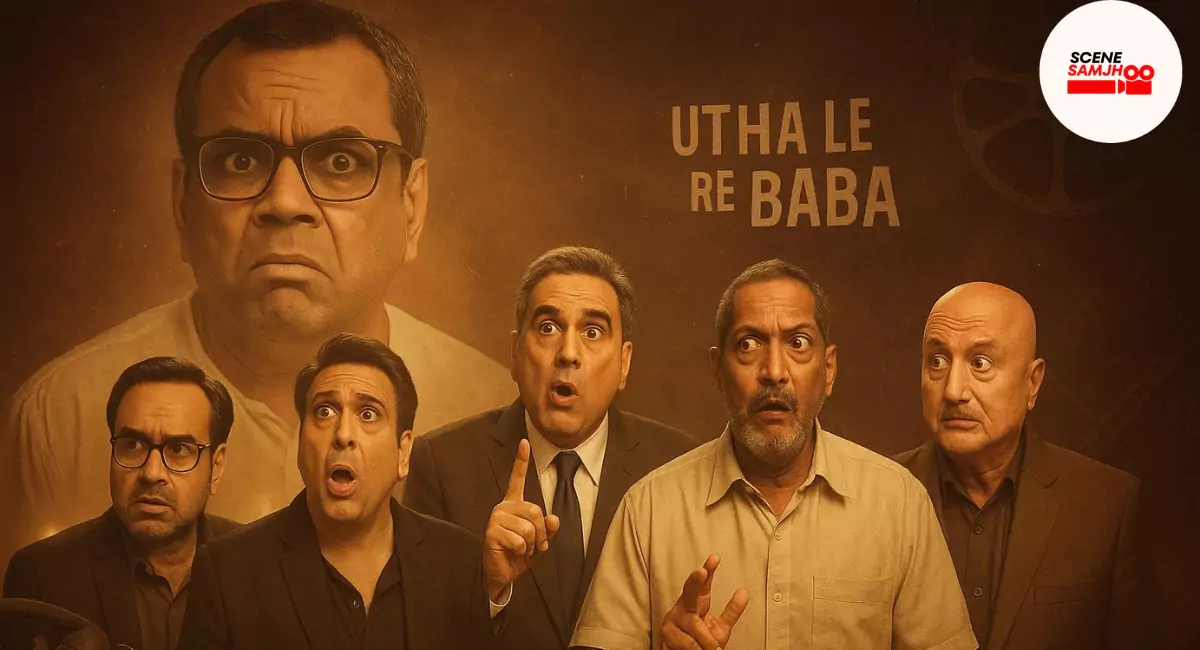
5 Actors Who Could Possibly Play Babu Bhaiya in Phir Hera Pheri 3

There’s a lot of talk online about Phir Hera Pheri 3. And no, it’s not about the story, action or release date. It’s because Paresh Rawal, the actor who played the legendary Baburao Ganpatrao Apte, is not doing the film.

First, there was a report stating that he was not doing the film due to creative differences. Then, another report claimed that when the shoot began, there was no proper script, no clear idea about Baburao’s role, and no formal contract. As a result, he didn’t feel confident about the project and backed out. However, these are all reports—nothing has been officially confirmed yet. Later, Akshay Kumar’s production team sent him a legal notice of ₹25 crore, alleging that he left after accepting a signing amount of ₹11 lakh.

Rawal’s team says he gave the money back, with interest, and that there was never a written agreement. All of this has made things very messy.

If Paresh ji left Phir Hera Pheri 3 due to creative differences, he is not alone. Anurag Kashya left the bollywood industry due to creative stagnation

Fans Want Only One Babu Bhaiya

Let’s be honest — Babu Bhaiya is not just a character, he’s an emotion for fans. His funny voice, silly jokes, comic delivery timing and confused face made us laugh for years. Even today, Hera Pheri and Phir Hera Pheri are shown on TV almost every week. Kids, teenagers, and even older people share memes of Babu Bhaiya every single day.

Paresh Rawal’s acting was so natural that no one else has even tried to play Baburao again. It’s one of those rare roles in Bollywood where people say, “Only one man can do it.”

But now, with Rawal not in the film, the big question is — who can possibly play Babu Bhaiya?

Here Are 5 Actors Who Might Try Babu Bhaiya Role

1. Pankaj Tripathi

pankaj tripathi as baburao ganpatrao apte

Pankaj Tripathi is one of the best actors in India right now. He can do serious roles and funny roles with ease. He played a priest in Stree, a gangster in Mirzapur, and a father in Gunjan Saxena. He can easily bring a fresh version of Babu Bhaiya — someone real, simple, and funny.

2. Govinda

Govinda-as-Baburao-Ganpatrao-Apte

Govinda is a comedy legend. In the 90s, no one could match his funny expressions and dancing skills. If the makers want a louder and funnier version of Babu Bhaiya, Govinda could be a fun choice. He’s got the energy, the style, and the comic timing.

3. Boman Irani

Boman-Irani-as-Baburao-Ganpatrao-Apte

Boman Irani is smart, funny, and super talented. We’ve seen him in Munna Bhai MBBS, 3 Idiots, and Housefull. He knows how to make people laugh without trying too hard. He could play Babu Bhaiya in a new way — maybe as a more calm and clever version.

4. Nana Patekar


Nana-Patekar-as-Baburao-Ganpatrao-Apte.

Nana Patekar might seem like a serious actor, but remember him in Welcome? He was hilarious! He speaks in a different style and has a strong voice. If the makers want a slightly angry but funny Babu Bhaiya, Nana can do it in his own unique way.

5. Anupam Kher

Anupam-Kher-as-Baburao-Ganpatrao-Apte.

Anupam Kher has been doing films for over 30 years. He can do comedy, drama, and everything in between. He’s very natural on screen and could add his own charm to the role. If anyone can bring emotion and laughter together, it’s him.

Can Anyone Really Replace Paresh Rawal?

To be very honest — no. Babu Bhaiya and Paresh Rawal are like one person. You just can’t separate them. Even actors know this. No one has come forward and said, “I want to do this role.” That’s how much respect people have for Paresh Rawal’s work.

But if the movie has to be made and the makers want someone else, then the five actors above are the best choices we have. They are all talented, experienced, and loved by the audience.

Still, for most of us, there will only ever be one Babu BhaiyaParesh Rawal.

What’s our take on this 

Paresh Rawal’s exit from Hera Pheri 3 was a personal choice, not due to creative or financial disputes. He felt disconnected from the project and don’t want to destroy the legacy of Baburao Apte. He even returned the signing amount with interest, showing responsibility. However, Akshay Kumar’s production house claims his sudden exit caused Rs 25 crore in losses, leading to a legal notice. Director Priyadarshan and Suniel Shetty were shocked, citing prior filming and contracts. Both sides have valid points: Rawal’s right to choose versus the project’s disruption. The issue is under legal review, and the film’s future is uncertain.

Share your thoughts, how do you view this matter?

Categories
Celebrities

Mouni Roy: From TV Star to Bollywood Icon – Her Journey Unveiled

Name: Mouni Roy
Profession: Actress, Model
Born: September 28, 1985, in Cooch Behar, West Bengal, India
Nationality: Indian
Known for: Naagin, Devon Ke Dev…Mahadev, Gold, Brahmāstra: Part One – Shiva

Biography:

Mouni Roy, born to Anil Roy, a superintendent in the Cooch Behar Zilla Parishad, and Mukti Roy, a theatre artist, developed an early interest in the arts, particularly in acting and dancing. 

She completed her schooling at Kendriya Vidyalaya in Baburhat, Cooch Behar, and pursued higher education in English Honors at Miranda House, University of Delhi. Subsequently, she enrolled in a Mass Communication course at Jamia Millia Islamia but left midway to pursue a career in acting. ​

Roy’s acting journey commenced in 2006 with the television series Kyunki Saas Bhi Kabhi Bahu Thi, where she portrayed Krishna Tulsi. 

Her performance garnered attention, leading to significant roles such as Sati in Devon Ke Dev…Mahadev and the lead in the Naagin series, where she played Shivanya and later Shivangi. Her portrayal in Naagin was particularly acclaimed, establishing her as a household name in Indian television. 

Transitioning to the silver screen, Roy made her Bollywood debut with the 2018 film Gold, starring alongside Akshay Kumar. Her role as Monobina Das was well-received, earning her a Filmfare Award nomination for Best Female Debut. 

She continued to diversify her filmography with appearances in movies like Romeo Akbar Walter (2019) and Made in China (2019). In 2022, she portrayed the antagonist Junoon in Brahmāstra: Part One – Shiva, a performance that earned her the IIFA Award for Best Supporting Actress. ​

Awards and Accolades:

  • IIFA Award for Best Supporting Actress for Brahmāstra: Part One – Shiva (2023).
  • Gold Award for Best Actress for Naagin (2016). ​
  • Filmfare Award nomination for Best Female Debut for Gold (2018). ​

Interesting Facts:

  • Roy is a trained Kathak dancer, showcasing her versatility in performing arts. 
  • She has a deep passion for reading and often shares her literary interests with fans.
  • Beyond acting, Roy has ventured into entrepreneurship, co-founding the education platform “Ultimate Gurus.”

Social Media:

Instagram: @imouniroy