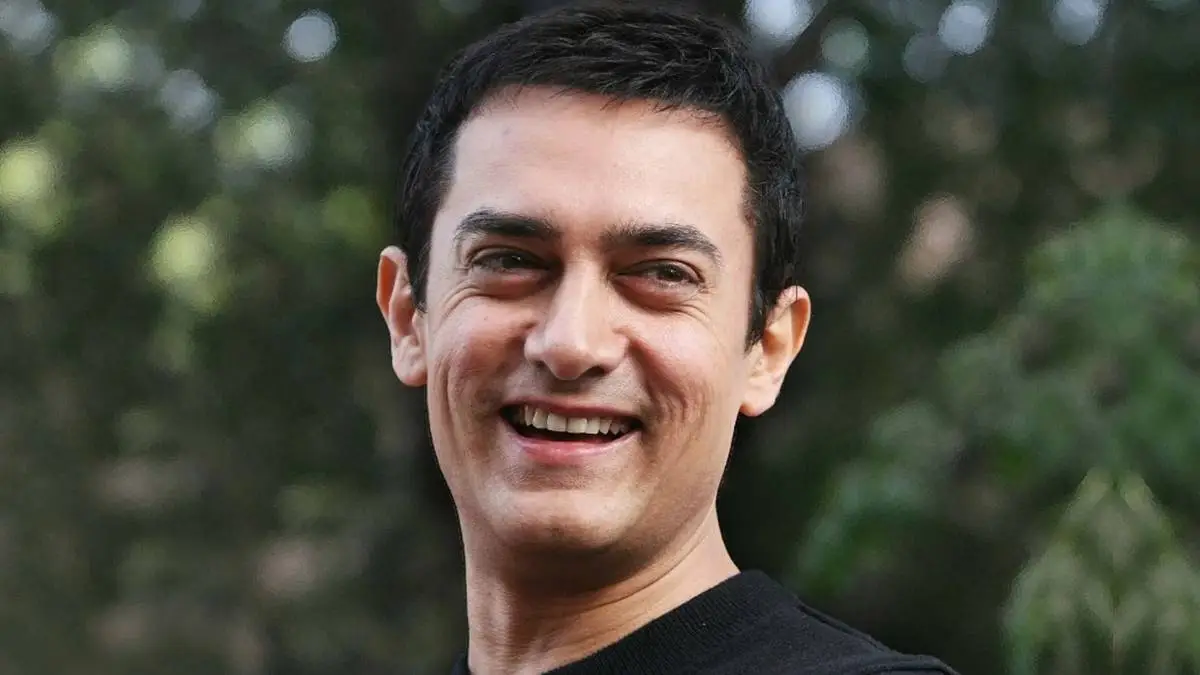
Talented filmmaker Anurag Kashyap has packed his bags and left Mumbai for Bengaluru, citing Bollywood’s “toxic” environment focused solely on 500-crore blockbusters. His departure comes after his Cannes-selected film “Kennedy” remains unreleased in India due to studio troubles, highlighting the industry’s growing preference for margins over meaningful storytelling.
This high-profile exit raises serious questions about whether Hindi cinema has lost its creative soul in the pursuit of commercial success.
Anurag Kashyap didn’t leave Bollywood on a whim. He made this difficult choice after years of frustration with an industry that increasingly values financial returns over artistic expression.

The acclaimed director of “Gangs of Wasseypur” and “Dev.D” told The Hindu that the Mumbai film industry has become completely focused on chasing profit margins. This shift has created what he describes as a “toxic” environment where creative storytelling takes a backseat to formulaic blockbusters.
His Cannes-selected film “Kennedy” remains unreleased in India despite being completed months ago. The film is caught in limbo because Zee Studios, its producer, faces financial difficulties and key production staff have left the company.
Kashyap shared a telling anecdote about refusing a streaming platform’s request to create an Indian version of “Money Heist.” He “folded his hands and left” rather than compromise his artistic principles by copying someone else’s concept.
This departure isn’t an isolated incident but the culmination of years of struggles with the Bollywood system. Many of Kashyap’s earlier works faced significant release hurdles, including “Black Friday” which was delayed for years.
His very first film, “Paanch,” never received an official release despite being completed. These experiences paint a picture of an industry that often stifles rather than nurtures unique creative voices.
Kashyap has begun collaborating more frequently with South Indian film industries where he feels directors enjoy greater creative freedom. He particularly admires Malayalam cinema, which he believes strikes a better balance between cultural relevance and artistic expression.
The director is now working on projects in Malayalam, Tamil, Telugu, and Kannada languages instead of Hindi. He’s even taking acting roles in multilingual productions like “Dacoit,” demonstrating his willingness to work in any language that allows creative fulfillment.
Veteran filmmaker Subhash Ghai added his voice to the conversation after Kashyap’s departure. Ghai posted on Instagram about “Why Bollywood is bleeding today,” suggesting more affordable ticket prices might help reconnect cinema with ordinary viewers.
Social media reactions to Kashyap’s exit have been mixed, with some supporting his critique of industry problems. Others have criticized him for allegedly blaming the system for personal failures despite being part of that same system for decades.
In a Times of India article, filmmaker Mahesh Bhatt praised Kashyap’s ability to push actors “beyond their comfort zones.” Bhatt’s comments suggest that losing directors like Kashyap represents a significant loss for performers who thrive under challenging direction.
Actor Rahul Bhat also weighed in on Kashyap’s departure, adding to the growing conversation about what this means for Hindi cinema’s future. These industry reactions highlight the significance of losing such an influential creative voice.
The core issue may be that Bollywood has lost touch with its audience – everyday Indians. Major studios invest enormous sums in spectacle-driven star vehicles while ticket prices have risen beyond what many can afford.
This focus on big-budget productions means smaller, more innovative films struggle to secure financing or distribution. Kashyap admitted he consistently “loses money” while trying to make quality cinema, revealing the difficult economics for filmmakers who prioritize artistry over commercial appeal.
Kashyap’s relocation to Bengaluru physically symbolizes his break from the Mumbai film establishment. He told interviewers he wants to “stay away from film people” in Mumbai and collaborate only with those who share his vision for meaningful cinema.
For fans worried about losing his creative output altogether, there’s good news. Kashyap isn’t abandoning filmmaking entirely – just the Bollywood system. He’s hinted at potentially developing “Kennedy” into a series continuing the story of undercover cop Uday Shetty.

The situation reflects broader shifts in Indian cinema where regional industries are gaining national prominence. Films like “Pushpa,” “KGF,” and “RRR” from South Indian studios have achieved massive pan-Indian success, proving quality filmmaking isn’t exclusive to Mumbai.