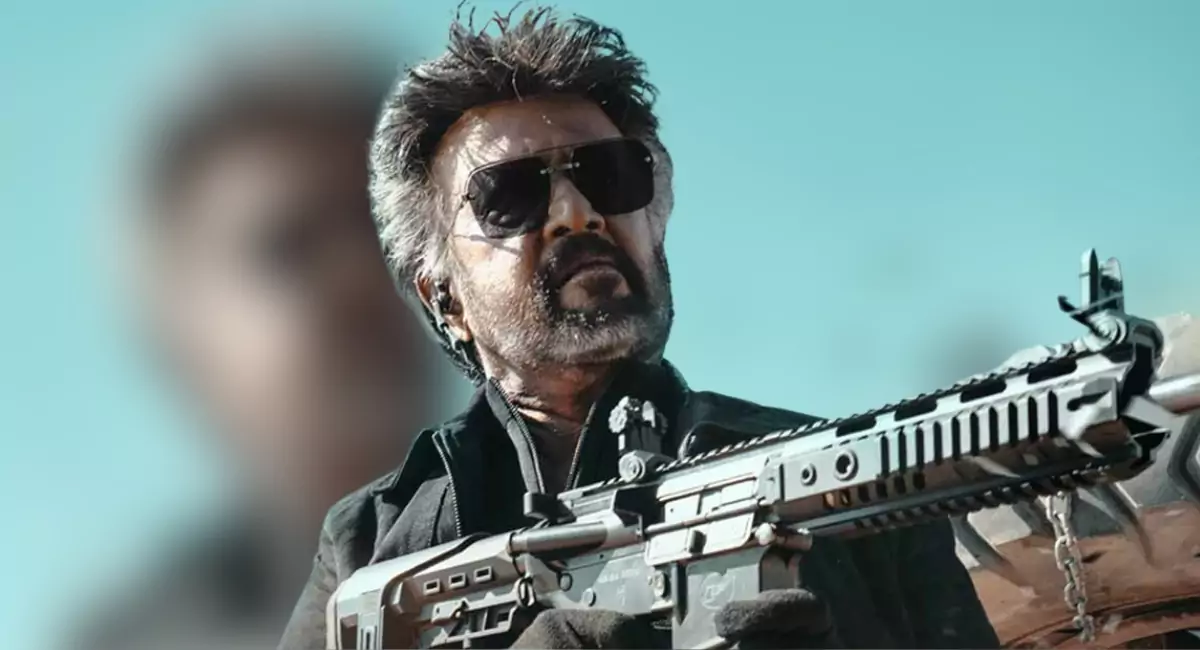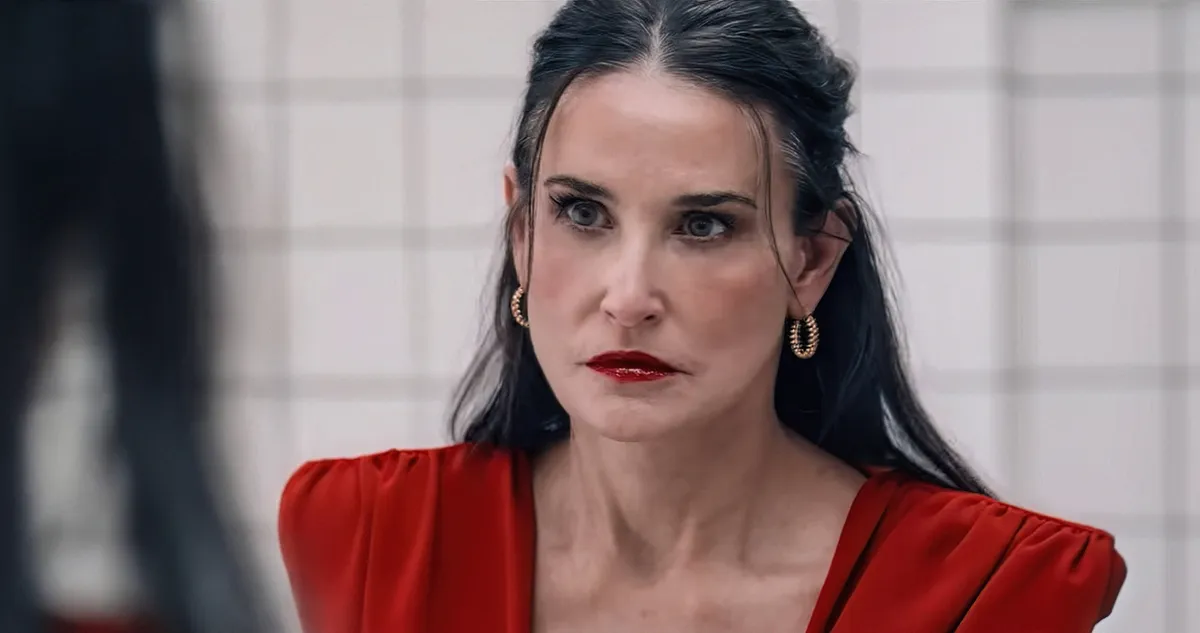
Watching Tom Hardy fix problems for London’s most dangerous crime family feels like stepping into a boxing ring where Mobland crime series throws punches at heavyweight champions. The show arrived in March 2025 with the confidence of a street fighter ready to take on legends. Guy Ritchie’s direction brings his signature style to television, creating something that feels both familiar and fresh.
Pierce Brosnan transforms from suave spy to ruthless crime boss Conrad Harrigan with shocking ease. His Irish accent cuts through scenes like a blade, proving that age only sharpens certain actors. Helen Mirren’s Maeve Harrigan operates as the true power behind the throne, much like how Aunt Polly guided the Shelby family’s decisions.
Tom Hardy’s Harry Da Souza operates as the show’s moral center, fixing problems with brutal efficiency. His performance channels the same intensity that made Tony Soprano so captivating. The character walks a tightrope between loyalty and survival, never knowing which family member might turn on him next.
Crime families have always fascinated audiences because they mirror our own family dynamics with deadly consequences. Mobland explores this theme through the Harrigan clan’s internal power struggles. The show asks whether blood truly runs thicker than business when millions of dollars hang in the balance.
Family loyalty drives every major decision in these three shows, but each approaches the theme differently. Peaky Blinders focused on post-war trauma shaping the Shelby brothers’ criminal empire. The Sopranos examined how therapy sessions revealed the psychological costs of violence.
Mobland takes a more direct approach to family dynamics without the historical backdrop of Peaky Blinders. The show sets its action in modern London where technology changes the rules of organized crime. Social media and surveillance cameras force criminals to adapt their methods constantly.

Character development separates great crime shows from forgettable ones, and all three series excel in this area. Cillian Murphy’s Tommy Shelby evolved from shell-shocked veteran to political powerbroker over six seasons. James Gandolfini’s Tony Soprano battled depression while running a criminal organization for eight years.
Tom Hardy brings similar depth to Harry Da Souza, showing a man caught between two worlds. His character operates with surgical precision during violent confrontations but struggles with normal family interactions. The performance proves that Hardy can carry a series as effectively as he dominated individual Peaky Blinders episodes.
Streaming numbers tell the story of audience appetite for quality crime television. Mobland broke Paramount+’s record with 2.2 million viewers on premiere day, growing to 8.8 million in its first week. The show’s success proves that viewers still crave stories about organized crime when they’re executed with skill.

Peaky Blinders maintained steady popularity throughout its six-season run on BBC, becoming a cultural phenomenon that spawned fashion trends and tourist attractions. The Sopranos revolutionized television by proving that cable networks could produce cinema-quality drama. Both shows set the bar incredibly high for future crime series.
Critical reception varies among the three shows, with each finding its own audience and acclaim. The Sopranos earned universal praise for its writing and performances, winning multiple Emmy Awards. Peaky Blinders gained momentum through word-of-mouth, eventually becoming one of BBC’s most successful exports.
Mobland currently holds a 75% rating on Rotten Tomatoes, with critics praising the performances while noting the familiar storylines. The show succeeds by executing genre conventions expertly rather than breaking new ground. Sometimes audiences prefer skillful execution over revolutionary innovation.

Visual style distinguishes each series from its competitors in the crowded crime television market. Peaky Blinders used period costumes and industrial Birmingham settings to create its unique atmosphere. The Sopranos grounded its violence in suburban New Jersey locations that felt authentically American.
Mobland embraces modern London’s diverse neighborhoods while maintaining Guy Ritchie’s kinetic camera work. The show’s cinematography captures both the glamour and grit of contemporary organized crime. Every frame feels deliberately composed to maximize dramatic impact.
Acting performances make or break crime series because audiences need to believe in the characters’ motivations. James Gandolfini’s Tony Soprano became television’s most complex antihero through subtle emotional work. Cillian Murphy’s Tommy Shelby combined calculation with vulnerability in ways that surprised viewers constantly.

The supporting cast matters just as much as the lead performance in ensemble crime dramas. Edie Falco’s Carmela Soprano and Helen McCrory’s Polly Gray proved that strong women could hold their own against violent men. Mobland’s Helen Mirren continues this tradition with a performance that commands respect through intelligence rather than volume.
Cultural impact extends beyond television ratings when shows capture the public imagination effectively. The Sopranos changed how people talked about therapy and mental health in America. Peaky Blinders influenced fashion trends and made Birmingham a tourist destination for international visitors.
Mobland crime series represents the next generation of gangster television, building on lessons learned from its predecessors while carving its own path. The show proves that audiences remain hungry for stories about loyalty, betrayal, and family bonds tested by violence.

Whether it achieves the lasting cultural impact of The Sopranos or Peaky Blinders remains to be seen, but early signs suggest that Mobland crime series has the talent and storytelling skill to join the pantheon of great television.