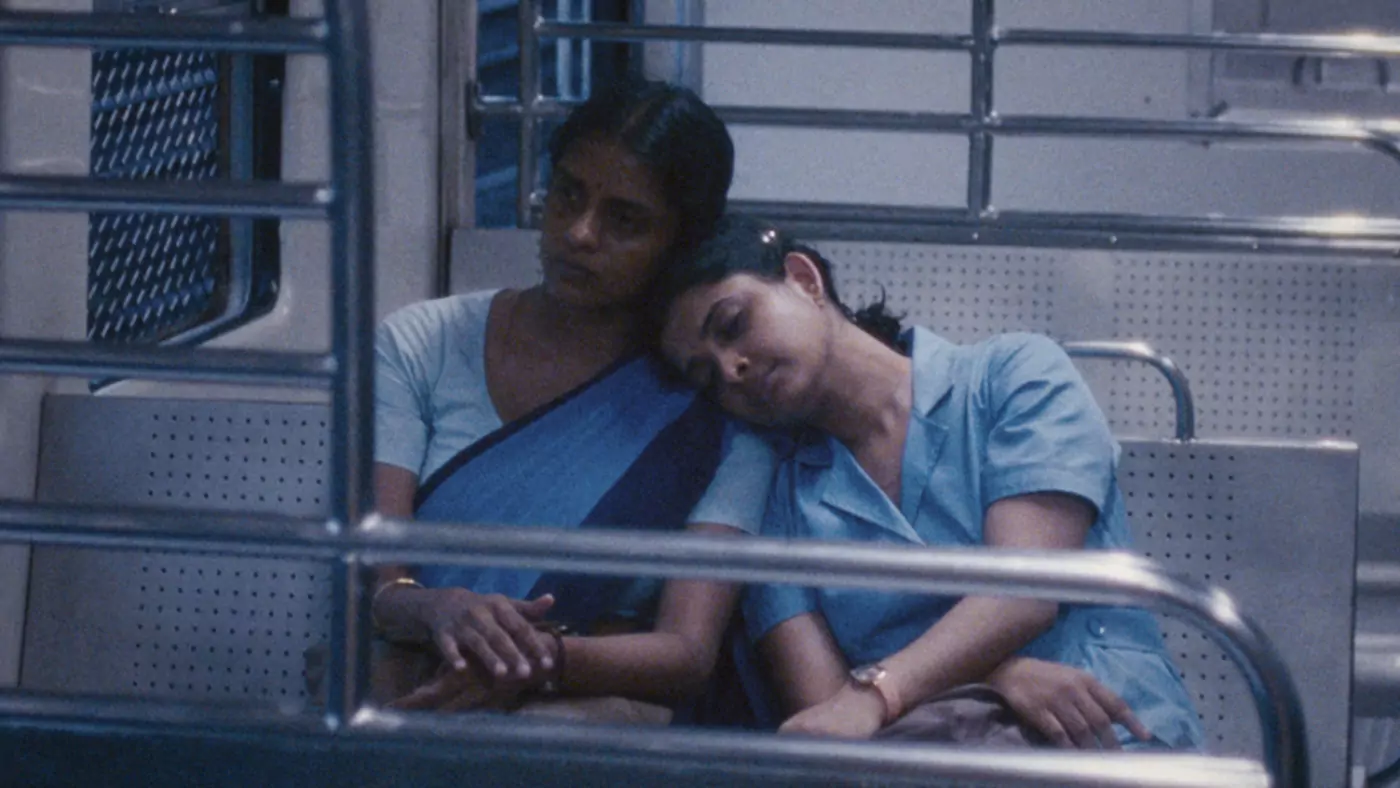
Sometimes you watch a movie expecting one thing and get something completely different. My Songs of Paradise review begins with this exact feeling after streaming it on Prime Video yesterday. The film tells the story of Kashmir’s first female radio singer through the character of Noor Begum, inspired by the legendary Raj Begum.
Director Danish Renzu creates a visual love letter to Kashmir that made me pause the movie multiple times just to admire the scenery. The backwaters, mountains, and traditional homes create a perfect backdrop for this musical journey. Every frame feels like a painting that captures the essence of the valley’s natural beauty.
Saba Azad plays the younger Noor Begum with genuine passion, though her performance feels restrained at times. Her musical background helps her handle the singing sequences naturally, making those moments feel authentic. The actress brings depth to scenes where her character faces family pressure and social restrictions.
Soni Razdan portrays the older Noor Begum with the wisdom of someone who has lived through decades of struggle and triumph. Her narration style draws you into the story, making you feel like you’re sitting with a grandmother sharing family tales. The chemistry between the actresses works well, even though they represent the same character at different life stages.
The story structure follows a familiar pattern of young artist facing obstacles, finding mentors, and eventually achieving success. Danish Renzu uses flashbacks effectively to connect past and present, though some transitions feel abrupt. The screenplay moves between time periods smoothly, keeping viewers engaged throughout the 107-minute runtime.
Music becomes the real star of this film, with traditional Kashmiri instruments creating an authentic soundscape. Abhay Sopori’s compositions blend folk melodies with contemporary arrangements beautifully. Each song serves the narrative without feeling forced or placed randomly for commercial appeal.
The supporting cast includes Zain Khan Durrani as Azaad, the poet who helps Noor Begum find her voice. His character represents the progressive men who supported women’s dreams during conservative times. Taaruk Raina plays a modern music student researching Noor Begum’s story, connecting past struggles to present recognition.
Shishir Sharma delivers a memorable performance as the Ustad who trains Noor Begum without charging fees. His character shows how some mentors believe in talent regardless of social barriers. These supporting characters add layers to the main story without overwhelming the central narrative.
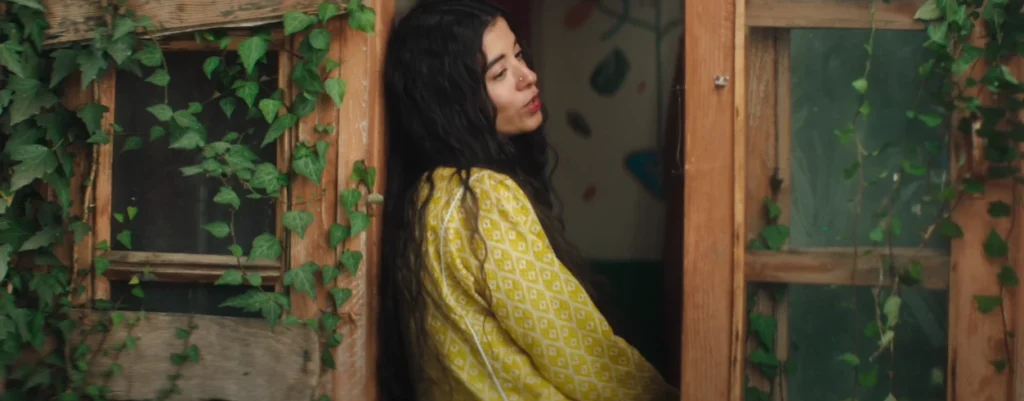
The film’s biggest strength lies in its cultural authenticity and respect for Kashmiri traditions. Danish Renzu, being from Kashmir himself, brings personal knowledge to every scene set in the valley. The dialogue mixing Hindi, Urdu, and Kashmiri creates a realistic linguistic environment.
However, some emotional moments feel manufactured rather than organic, making them less impactful. The screenplay tries too hard to create inspiring moments instead of letting them develop naturally. Certain scenes about family conflict and social pressure follow predictable Bollywood formulas.
Visual storytelling works better than dialogue in several sequences, especially during musical performances. The cinematography captures both intimate moments and grand landscapes with equal skill. Kashmir’s natural beauty never overwhelms the human story being told.
The film succeeds in highlighting an important historical figure who deserved recognition decades ago. Raj Begum’s real story as Kashmir’s first female playback singer becomes an inspiration for modern audiences. Her courage to pursue music when women were confined to homes resonates strongly today.
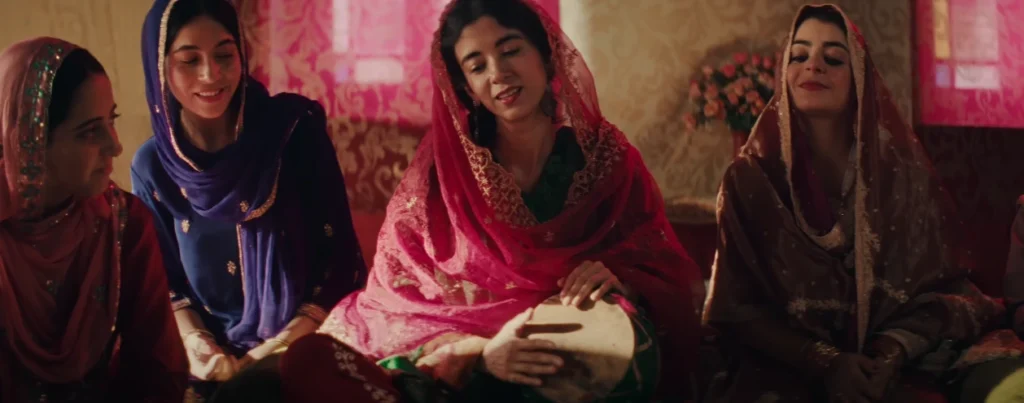
Technical aspects like production design and costume work enhance the period setting effectively. The attention to detail in recreating 1950s Kashmir shows the team’s dedication to historical accuracy. Sound design creates an immersive experience that transports viewers to different time periods.
Some performances feel inconsistent, with actors struggling to maintain their characters’ emotional arcs throughout the film. The accent work varies in quality, sometimes pulling viewers out of the story’s immersion. These technical issues prevent the film from reaching its full emotional potential.
The movie’s message about women’s empowerment and artistic freedom remains relevant and powerful. It celebrates not just one woman’s journey but represents countless others who fought similar battles. The story encourages viewers to support artists and preserve cultural heritage.
Excel Entertainment’s production values ensure professional quality without feeling overly commercial. The partnership with Apple Tree Pictures and Renzu Films creates a balanced approach to storytelling. Their investment in authentic locations and period details shows commitment to the subject matter.
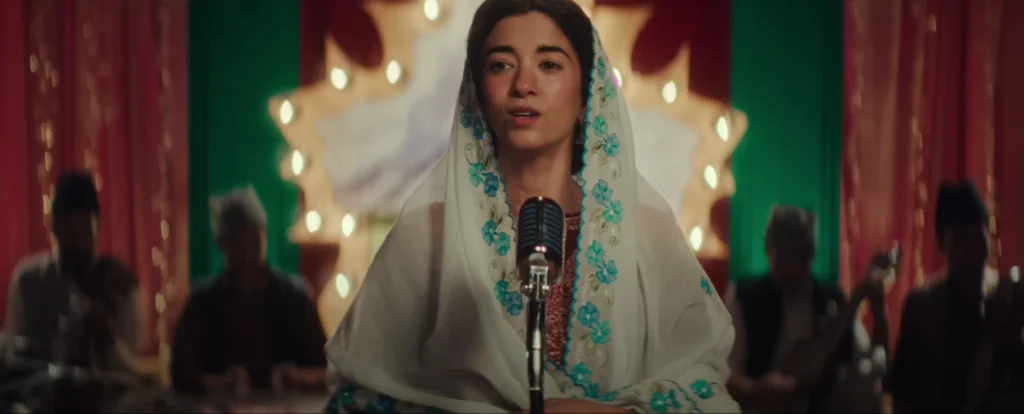
Songs of Paradise works best when it focuses on music and cultural celebration rather than dramatic conflicts. The film’s heart beats strongest during performance sequences and quiet character moments. These scenes remind you why this story needed to be told on screen.
The ending provides closure while honoring Raj Begum’s lasting impact on Kashmiri music and culture. Danish Renzu concludes the narrative with hope and recognition for forgotten artists everywhere. My Songs of Paradise review finds this tribute meaningful despite its flaws, making it worth watching for anyone interested in music history and women’s stories.