
Categories
Movies

Colonialism and Consent: What Mickey 17 Says About Human Expansion

Ever wonder if human civilization could start fresh somewhere else, but without all our past mistakes? Bong Joon Ho’s sci-fi comedy “Mickey 17” asks this very question through its expendable protagonist who dies repeatedly for the sake of colonizing an ice planet. 

The film cleverly uses dark humor and Robert Pattinson’s multiple iterations of the same character to explore how easily we replicate harmful patterns of exploitation, even when venturing into the stars.

The story follows Mickey Barnes, an “expendable” worker in a space colonization mission to the ice planet Niflheim in 2054. Mickey signed up for this job without reading the fine print, a decision that led to his dying and being “reprinted” with his memories intact seventeen times. This premise serves as the perfect vehicle for examining the ethics of human expansion and colonization.

When humans arrive on Niflheim, they immediately treat the native inhabitants, called “Creepers,” as threats rather than sentient beings with their own rights. The expedition leader, failed politician Kenneth Marshall (played by Mark Ruffalo), sees the ice planet as his chance to create a “pure” society of loyal followers, with no regard for indigenous life

The film pointedly mirrors historical patterns of Earth colonization, where newcomers arrived with assumptions of superiority and claims of bringing “civilization” to new lands. Mickey’s role as an expendable worker also reflects how colonial powers viewed certain groups of people as disposable in service of expansion.

Mickey’s personal journey becomes central to the film’s exploration of colonialism. At first, he accepts his expendability, feeling he deserves punishment for past mistakes. His seventeen deaths and resurrections represent the cycle of exploitation that often characterizes colonial endeavors.

The introduction of Mickey 18, creating two versions of the same person, adds another layer to the film’s examination of identity and consent. The two Mickeys must hide their dual existence from authorities who would eliminate them both, forcing them to question what makes them human beyond their usefulness to the colony.

This duality creates tension around the idea of consent in colonization. Neither Mickey truly consented to his role as an expendable, just as indigenous populations never consent to being colonized. The system works by treating certain beings as less worthy of consideration.

Bong Joon Ho cleverly uses the relationship between humans and Creepers to question our assumptions about first contact and territorial rights. The natives of Niflheim initially help Mickey rather than harm him, challenging the colonizers’ presumptions about their hostility.

The film’s portrayal of Marshall and his wife Ylfa (Toni Collette) takes direct aim at the intertwining of capitalism, politics, and colonialism. Marshall’s cult-like following and authoritarian leadership style show how colonizing missions often serve the ego and power of their leaders rather than any noble purpose.

Marshall’s character serves as a caricature of political figures who use religion and nationalism to justify expansion and conquest. His vision for a “pure” colony on Niflheim reveals the uglier motives that often lie beneath colonial rhetoric about progress and civilization.

The ethics of the “expendable” program itself raise profound questions about how societies assign value to human life. Mickey’s repeated deaths for the colony’s benefit represent the expendability of workers in exploitative systems, whether in colonial outposts or modern corporations.

What makes Mickey 17 particularly compelling is how it connects historical patterns of colonialism to potential future space exploration. The film suggests that without confronting our past, humans will simply transport the same problems to new frontiers.

The film’s conclusion offers a glimpse of hope when Mickey destroys the cloning device, ending the expendable program. This act represents a rejection of systems that treat lives as disposable and suggests the possibility of building relationships based on mutual respect rather than exploitation.

This moment of rebellion against the colonial system shows that breaking cycles of exploitation requires active resistance. Mickey’s choice reflects the film’s central argument that consent and respect must be at the heart of any ethical human expansion.

The tentative peace established with the Creepers by the end of the film suggests an alternative model of coexistence. Rather than conquering or displacing the native inhabitants, the humans begin to recognize them as equals with their own right to the planet.

The film ultimately leaves viewers questioning what true ethical expansion might look like. Can humans move beyond our history of colonialism to form genuine partnerships with other beings, or are we doomed to repeat our worst impulses wherever we go?
Categories
Celebrities Web Series Reviews

Lady Gaga’s Secret Wednesday Role Is About to Break the Internet

Lady Gaga’s enigmatic character on Wednesday has sent fans into a frenzy of speculation. The pop icon’s appearance as Rosaline Rotwood, a legendary Nevermore Academy teacher, promises to shake up the supernatural school when she crosses paths with our favorite goth heroine in Part 2 of Season 2. 

Her role, shrouded in mystery until Netflix’s Tudum 2025 event, has become the most anticipated reveal of the streaming season.

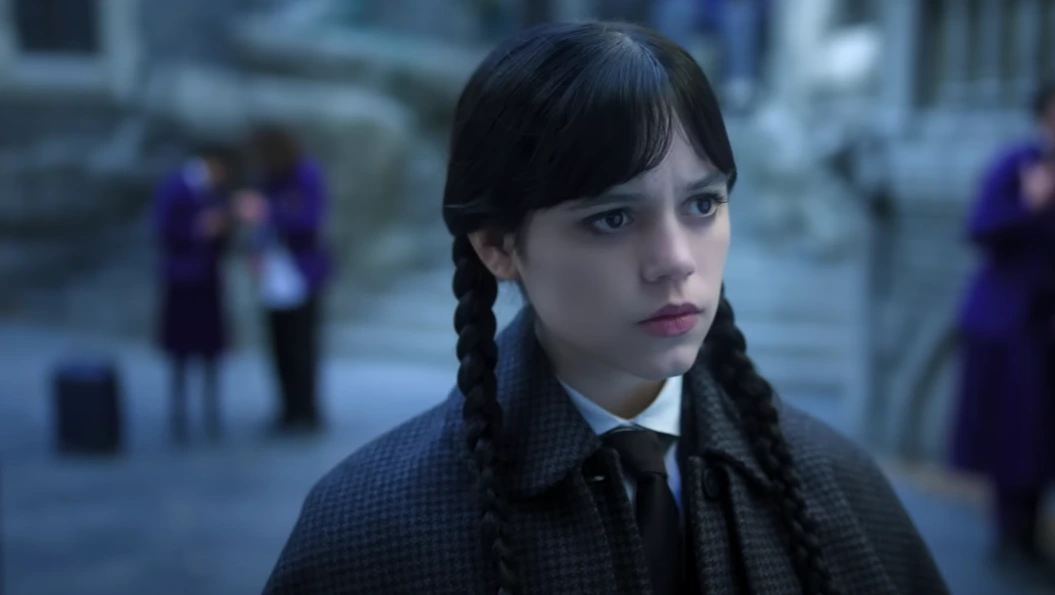
Lady Gaga’s secret Wednesday role connects beautifully to the viral moment from Season 1 when Jenna Ortega’s dance scene took over social media. Fans worldwide recreated the sequence to Gaga’s “Bloody Mary” instead of the original soundtrack, causing the 2011 track to climb charts more than a decade after its release. 

The Mother Monster herself joined the trend, acknowledging her appreciation for the show and its macabre aesthetic that aligns perfectly with her own artistic vision.

Netflix strategically planned Lady Gaga’s character reveal, keeping Rosaline Rotwood out of all promotional materials for Season 2 Part 1. This decision has only amplified fan excitement, creating an internet buzz machine that keeps Wednesday trending across social platforms. The streaming giant confirmed that viewers must wait until September 3 when Part 2 releases to witness the superstar’s performance in the hit series.

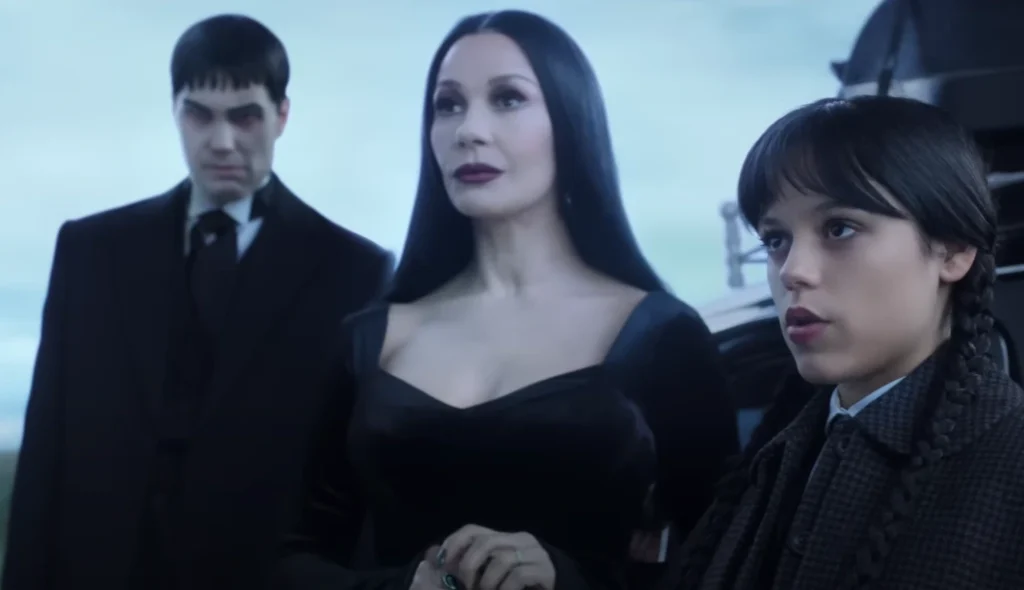
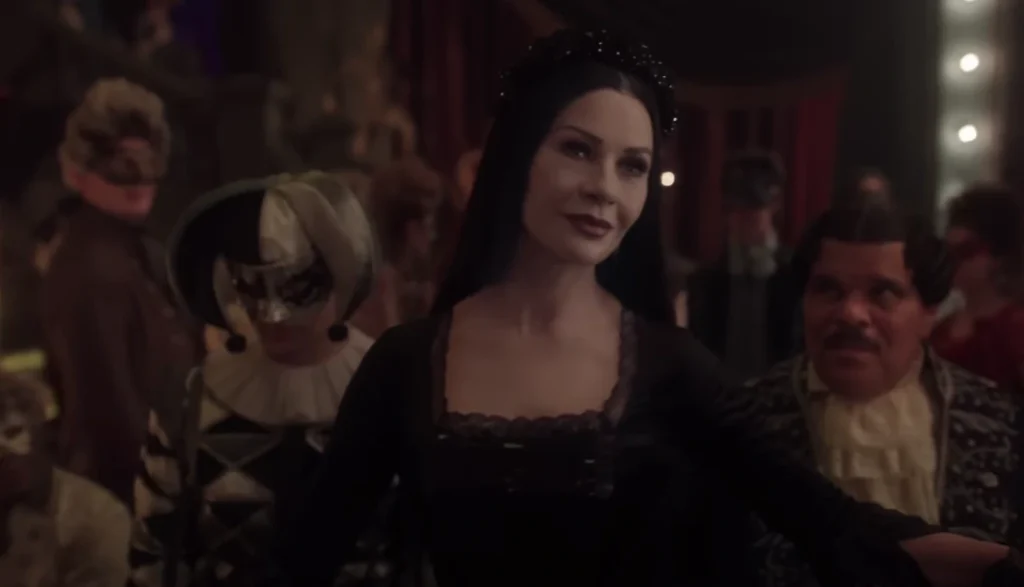
Subtle hints about Rosaline Rotwood have already appeared in Season 2 Part 1, most notably through the introduction of Rotwood Cottage. The faculty residence, currently occupied by Morticia Addams during her visit to Nevermore, establishes a physical connection to Gaga’s character before her first appearance. This clever foreshadowing technique keeps viewers speculating about the significance of the Rotwood name and its history at the academy.

The casting represents a perfect marriage between Wednesday’s gothic sensibilities and Lady Gaga’s theatrical persona. Showrunner Tim Burton praised the Grammy and Oscar winner as “such an artist” whose presence on set inspired the entire production. 

This collaboration between two dark visionaries promises to deliver a memorable character that meshes seamlessly with the established Addams Family universe while bringing fresh energy to Nevermore Academy.

Lady Gaga’s inclusion in Wednesday follows Jenna Ortega’s 2023 wish for the star to join the show. In an interview with Variety, Ortega suggested that if Gaga were to appear, “they’d have to be two monsters who understand each other.” This prophetic statement now feels like masterful foreshadowing as fans eagerly anticipate the first meeting between Wednesday Addams and Professor Rotwood in upcoming episodes.

The timing of Lady Gaga’s Wednesday debut coincides with new music from the versatile performer. She will release “Dead Dance,” a song specifically created for the show’s soundtrack, in September to align with her character’s introduction. Tim Burton himself directed the music video, shot in Mexico, further cementing the creative partnership between the pop icon and the visionary filmmaker behind the series.

Wednesday’s second season features an impressive roster of guest stars alongside Lady Gaga. The expanded cast includes Steve Buscemi, Christopher Lloyd, Joanna Lumley, Thandiwe Newton, Haley Joel Osment, and other respected actors joining series regulars Jenna Ortega, Catherine Zeta-Jones, Luis Guzmán, and Emma Myers. This collection of talent elevates the show’s prestige while maintaining its quirky, supernatural charm.

The Netflix series has masterfully built anticipation for Lady Gaga’s role through its two-part release strategy. By withholding her character until the second batch of episodes, the show creates a mid-season event that keeps viewers engaged throughout the entire run. This calculated approach transforms what could have been a simple guest appearance into a major cultural moment in the streaming landscape.

Fans have theorized extensively about how Rosaline Rotwood will impact Wednesday’s journey at Nevermore. Some speculate she might serve as a new spiritual guide, helping the young Addams master her psychic abilities following the events of Season 1. Others suggest she could be connected to the Nevermore gala mentioned in early episodes, potentially returning as an alumna for the special event.

Season 2’s darker tone, as promised by creators, provides the perfect backdrop for Lady Gaga’s introduction. The first part established a more intense horror element with Wednesday hunting a serial killer and uncovering sinister experiments targeting outcasts. Rosaline Rotwood’s legendary status at the school suggests she may hold crucial knowledge about these mysteries or perhaps harbors secrets of her own.

Netflix’s description of Rosaline as “mysterious and enigmatic” aligns perfectly with Lady Gaga’s public persona. The singer has built her career on transformative performances and unexpected artistic choices, making her ideal casting for a character shrouded in secrecy. 

Her ability to embody otherworldly characters, demonstrated in projects like American Horror Story, suggests viewers should expect an unforgettable performance.

Lady Gaga’s secret Wednesday role represents more than just stunt casting – it’s a cultural convergence born from genuine fan appreciation. The show embraced the unexpected TikTok trend that connected Gaga’s music to Wednesday’s iconic dance, creating a rare instance where fan creativity directly influenced production decisions. This organic connection gives Gaga’s appearance special significance beyond typical celebrity cameos.

The relationship between Lady Gaga and Wednesday extends beyond the screen to promotional events. Her dramatic entrance from a coffin labeled “Here lies the monster queen” during the Tudum 2025 event showcased her commitment to the role’s aesthetic. 

The performance, featuring songs from her album “Mayhem” alongside the viral “Bloody Mary,” demonstrated how her musical sensibilities complement the show’s darkly comedic tone.

Netflix has positioned Lady Gaga’s guest appearance as the centerpiece of Wednesday Season 2 Part 2’s marketing campaign. By confirming minimal details while hinting at her character’s importance, they’ve created the perfect storm of anticipation that will likely break internet records when Rosaline Rotwood finally appears on screen. 

Categories
Celebrities Trending

The Hidden Dangers of Glamour in Bollywood: Is Perfection Killing Our Stars?

The glamour in Bollywood comes with a devastating hidden cost. The recent tragic death of actress Shefali Jariwala at just 42 has exposed the dangerous lengths stars go to maintain their youthful appearance. The entertainment industry’s relentless pursuit of perfection may be claiming lives.

Shefali’s sudden cardiac arrest on June 27, 2025, occurred hours after receiving an anti-ageing injection while fasting for religious observance. Police investigations continue, but this tragedy has sparked urgent conversations about the health risks celebrities face in their quest for eternal youth.

The Pressure to Stay Young: Bollywood’s Beauty Obsession

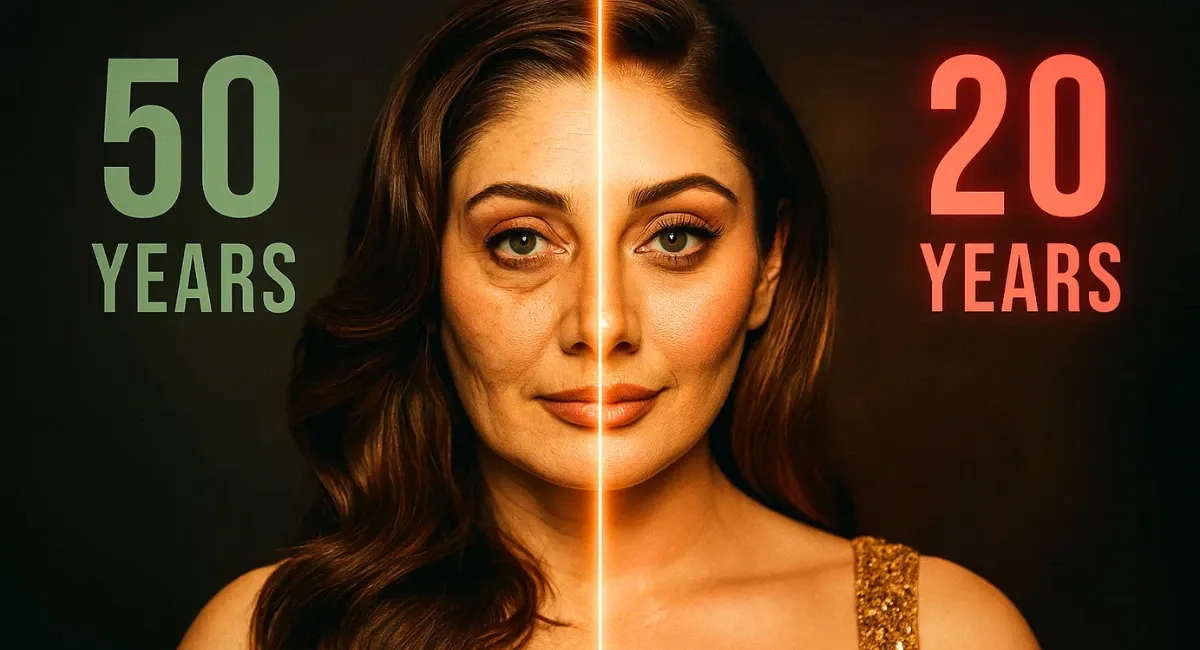
Bollywood beauty standards have created an impossible ideal where ageing naturally becomes career suicide. The industry’s image-driven culture pushes stars toward extreme measures, including Botox injections, dermal fillers, and invasive surgeries.

Ageing gracefully is no longer an option for many performers. They face constant scrutiny from the media, fans, and casting directors who favour younger faces. This pressure forces celebrities into dangerous territory where medical procedures become routine maintenance rather than occasional enhancements.

The competitive nature of Bollywood means that even slight signs of ageing can cost actors valuable roles. This reality drives them to seek increasingly aggressive treatments to maintain their marketability.

Shefali Jariwala’s Death: A Wake-Up Call for Bollywood’s Perfection Obsession

Shefali Jariwala’s cardiac arrest has become a sobering reminder of beauty treatment risks. Reports indicate she had been receiving monthly anti-ageing injections for several years as part of her routine maintenance.

On her final day, despite observing a religious fast, she received her scheduled injection. According to police sources, her condition deteriorated rapidly between 10-11 PM. Witnesses reported severe shivering and a drastic blood pressure drop before she lost consciousness.

The Mumbai Police investigation revealed that authorities seized multiple medications from her residence, including anti-ageing vials, vitamin supplements, and gastric care pills. The postmortem report remains pending as forensic teams analyze these substances.

Shefali Jariwala’s death cause investigation continues, but medical experts warn that mixing multiple treatments while fasting can create dangerous complications.

Anti-Aging Injections and Supplement Overuse

Anti-ageing injections in Bollywood have become as common as daily workouts. These treatments often include hormonal boosters, peptide-based formulas, and vitamin cocktails administered without proper medical supervision.

Dr. L.K. Jha, Associate Director of Cardiology at Asian Hospital, explains that many celebrities underestimate these substances’ cardiac risks. “Hormone boosters and metabolic enhancers can raise heart rate, blood pressure, and cause electrolyte imbalances,” he told media outlets.

The practice of polypharmacy, combining multiple medications, multiplies these dangers exponentially. Many stars receive injections from beauty clinics rather than qualified medical facilities, increasing the risk of adverse reactions.

Bollywood health dangers escalate when celebrities take these treatments on an empty stomach or combine them with other medications without professional guidance.

Plastic Surgery and the Obsession with Perfection

Plastic surgery in Bollywood has reached epidemic proportions. From rhinoplasty to breast augmentation, celebrities routinely undergo procedures that carry significant health risks.

Stars like Koena Mitra have suffered life-threatening complications from botched surgeries. Her nose job went horribly wrong, causing bone swelling and severe facial disfigurement that required multiple corrective procedures.

Anushka Sharma faced massive public backlash after her lip enhancement surgery in 2015. The intense criticism and industry’s lack of support affected her career for years, highlighting how these procedures can backfire professionally and personally.

Bollywood cosmetic surgery health risks include infection, nerve damage, surgical complications, and psychological trauma from public scrutiny when results appear unnatural.

Role of Social Media in Amplifying Beauty Pressure

Social media pressure in Bollywood has intensified the demand for physical perfection. Constant selfies, red carpet appearances, and fan comparisons create relentless pressure to maintain flawless appearance.

Instagram and other platforms showcase celebrities’ every angle, making minor flaws appear magnified. This scrutiny pushes stars toward increasingly frequent treatments and procedures.

Bollywood stars and social media create unrealistic beauty standards that influence both celebrities and fans. The pressure to look photo-ready at all times has made cosmetic interventions seem necessary rather than optional.

The comparison culture fostered by social media drives celebrities to compete not just professionally but physically, creating a dangerous cycle of enhancement procedures.

Impact of Extreme Diets, Fasting, and Dangerous Weight Loss Methods

Bollywood weight loss dangers extend beyond surgical procedures. Many stars resort to extreme dieting, prolonged fasting, and unregulated weight loss supplements to maintain their figures.

These practices can severely impact cardiovascular health, especially when combined with beauty treatments. Fasting while receiving injections, as reportedly occurred in Shefali’s case, can trigger dangerous blood pressure fluctuations.

Extreme dieting in Bollywood often involves eliminating entire food groups, using appetite suppressants, and following unsustainable caloric restrictions that weaken the immune system. Fasting health risks in Bollywood become particularly dangerous when celebrities continue their treatment regimens without adjusting for their nutritional state.

Is Glamour Worth the Price? 

The tragic loss of Shefali Jariwala forces us to confront uncomfortable truths about glamour in Bollywood. The industry’s beauty obsession has created a culture where stars risk their lives for the promise of eternal youth and career longevity.

Bollywood beauty obsession risks extend far beyond individual choices. They represent systemic pressure that treats aging as failure and natural beauty as insufficient. This mindset encourages dangerous behaviors that can have fatal consequences.

The entertainment industry must acknowledge its role in creating these pressures. Fans, media, and industry professionals need to embrace more realistic beauty standards that value talent over physical perfection.

Bollywood health crisis glamour demands immediate attention. Until the industry changes its priorities, more talented performers may pay the ultimate price for impossible beauty standards.

The time has come to choose health over appearance, authenticity over perfection, and life over glamour. Shefali’s legacy should be a turning point toward safer, more sustainable approaches to beauty in entertainment.