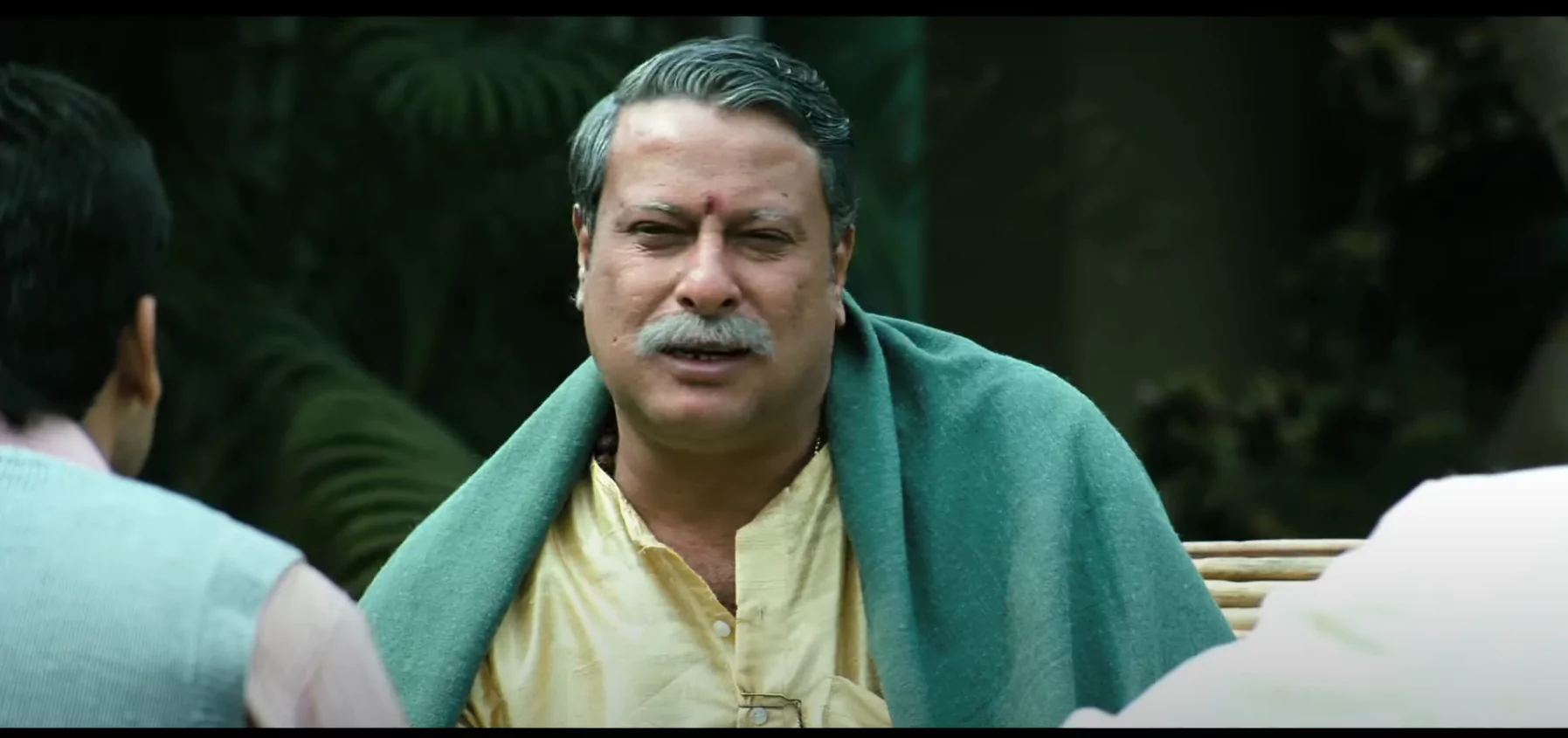
Bollywood’s penchant for “borrowing” content is no secret. Veteran actor Paresh Rawal’s candid remark, “Hum toh chori ka maal hi uthate the,” sheds light on this enduring issue. His statement underscores a long-standing trend in the industry. Let’s delve into how Bollywood has often opted for imitation over innovation.
The industry has a history of adapting plots and tunes from Hollywood blockbusters. Many films resemble recycled versions of foreign movies. This practice raises questions about the industry’s commitment to originality.
Even prominent directors and composers aren’t immune to this trend. Figures like Pritam have faced criticism for uncredited inspirations. Such actions highlight a broader issue within Bollywood’s creative processes.
Take “Partner,” for example, which mirrors the Hollywood hit “Hitch.” The storyline feels more like a remix than an original creation. This reflects a pattern of rehashing successful formulas.

“Chachi 420” is another instance, drawing heavily from “Mrs. Doubtfire.” Paresh Rawal’s observation resonates here, as the film closely follows its source material. Such adaptations blur the lines between homage and imitation.
The trend extends beyond films to music as well. Tracks like “Munni Badnam Hui” have sparked debates over their similarities to foreign songs. This practice raises concerns about the industry’s creative integrity.
Entire scenes are sometimes replicated without acknowledgment. For instance, “Housefull” has been criticized for lifting sequences from Hollywood comedies. Such actions question the industry’s dedication to original storytelling.
South Indian cinema hasn’t been spared either. Movies like “Rowdy Rathore” are direct remakes of Telugu films such as “Vikramarkudu.” This trend reflects a broader issue of recycling content across regional industries.
Bollywood’s copying isn’t limited to direct remakes. Sometimes, it borrows from South films that were themselves inspired by Hollywood. This creates a cycle where originality is continually diluted.
Music directors frequently face allegations of plagiarism. Tunes by composers like Pritam often bear striking resemblances to international hits. This pattern suggests a systemic issue within the music industry.
The song “Sadi Gali” is a case in point, with its beats echoing Western tracks. Such instances highlight the pervasive nature of copying in Bollywood music. This trend undermines the industry’s potential for original compositions.
Renowned filmmakers like Karan Johar have also been accused of lifting ideas. Some of his productions mirror the style and plots of Hollywood movies. This practice raises questions about the industry’s creative direction.
Bollywood doesn’t hesitate to draw from international cinema. Films from countries like Korea and Japan often find unofficial remakes in India. This trend reflects a broader issue of cultural appropriation.
Actors, too, aren’t exempt from this phenomenon. Some stars deliver lines reminiscent of foreign films, making originality scarce. This practice dilutes the authenticity of performances.
The industry’s success often hinges on how well it mimics proven hits. Familiarity tends to garner audience approval, perpetuating the cycle. This reliance on imitation stifles innovation.
“Race 2” exemplifies this trend, with its high-speed chases resembling Hollywood action flicks. The similarities are hard to overlook, highlighting Bollywood’s penchant for replication. Such practices raise concerns about the industry’s creative future.
Original creators rarely receive due recognition when their work is copied. Credits are often overlooked, leading to ethical dilemmas. This lack of acknowledgment undermines artistic integrity.
The prevalence of copied content has normalized intellectual theft. Paresh Rawal’s blunt statement reflects a truth many insiders acknowledge. This acceptance hinders the industry’s growth and evolution.
Bollywood’s habitual copying stifles creativity and originality. Paresh Rawal’s candid observation serves as a wake-up call for the industry to foster genuine innovation. Embracing original storytelling is essential for Bollywood’s evolution.