Imagine being so desperate for sleep that you’d hire someone to tell you bedtime stories. No, this isn’t a fairy tale – it’s the premise of “The Storyteller,” a film that brings Satyajit Ray’s beloved short story “Golpo Bolo Tarini Khuro” to the screen. Think of it as a grown-up version of your childhood bedtime routine, complete with its own professional storyteller. It’s a fascinating concept that should weave pure magic, but unfortunately, this adaptation spins a rather tangled yarn, especially in its handling of Bengali culture and its iconic protagonist.
The premise of the story is truly intriguing: a retired serviceman becomes a professional storyteller for a sleep-deprived businessman. While this unique concept holds promise, the film unfortunately stumbles in its execution, particularly in its representation of Bengali culture and its iconic protagonist.

At the heart of the story is Tarini Bandopadhyay, played by Paresh Rawal, who takes on the unusual job of telling bedtime stories to businessman Ratan Garodia (Adil Hussain) in Ahmedabad. The narrative follows this peculiar arrangement, exploring themes of storytelling, truth, and human connection. However, the film’s treatment of its Bengali elements proves to be its most significant shortcoming.
Paresh Rawal, despite his considerable acting prowess, struggles notably with the Bengali accent, delivering his lines with what sounds more like a Gujarati inflection. This linguistic disconnect is particularly problematic given that he’s portraying Tarini Khuro, a character deeply embedded in Bengali literary tradition. The authenticity gap becomes more apparent with each scene, creating a constant reminder of the cultural dissonance at play.
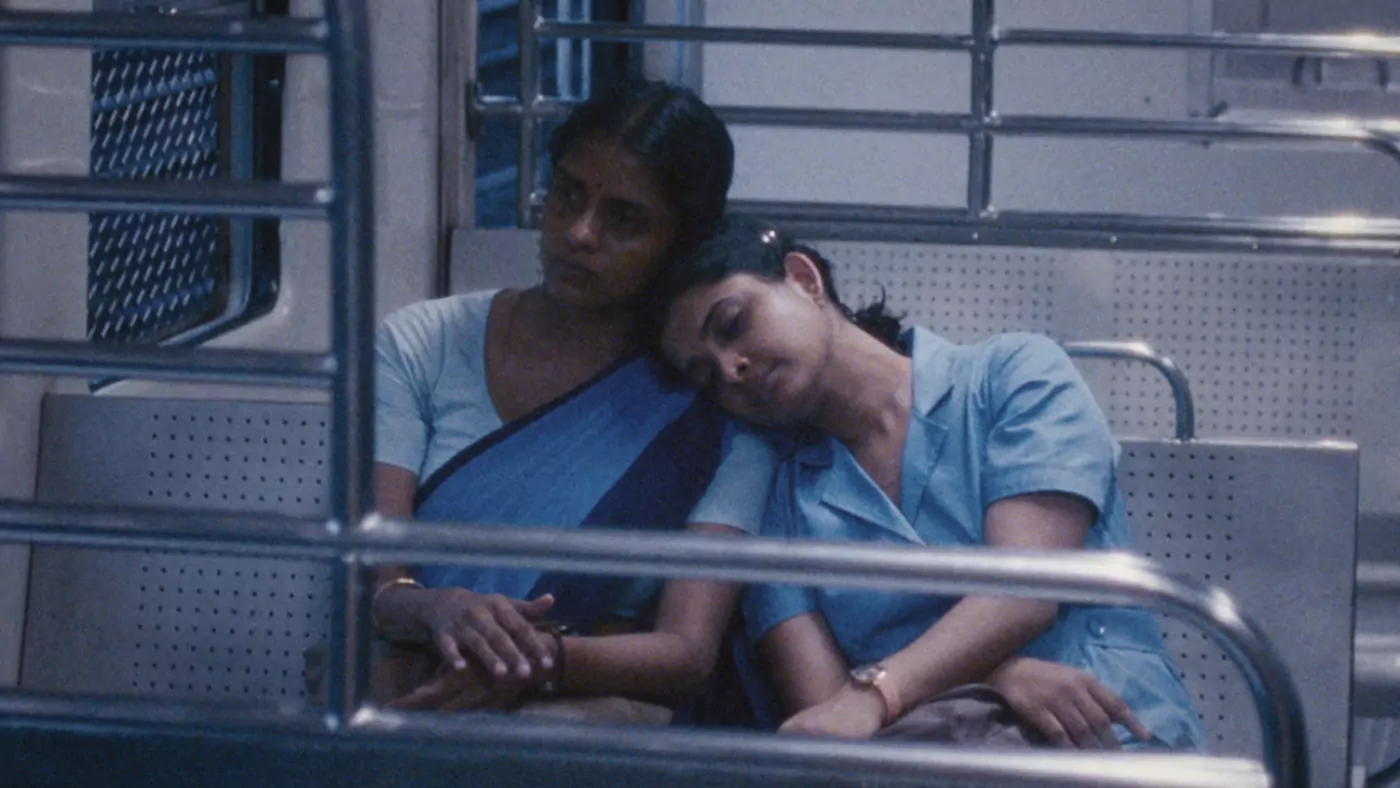
The film’s supporting cast delivers commendable performances. Adil Hussain brings complexity to Garodia’s character, effectively portraying both his vulnerability and hidden depths. Revathy and Tannishtha Chatterjee provide strong support, adding layers to the narrative with their grounded performances. The technical aspects also show competence – Hriju Roy’s background score complements the scenes well, and the cinematography captures the contrasting atmospheres of Kolkata and Ahmedabad, though it could have delved deeper into showcasing these cities’ distinct characteristics.
However, the film’s portrayal of Bengali culture remains frustratingly superficial. It relies heavily on stereotypical elements, particularly the repeated references to fish and communist philosophy, which feel more like cultural checkboxes than authentic representation. Bengali culture, with its rich traditions in literature, arts, music, intellectual discourse, and social dynamics, deserves a more nuanced portrayal. Instead, we get a simplified version that barely scratches the surface of Bengali identity.
The treatment of Tarini Khuro’s character is particularly disappointing for those familiar with Ray’s original work. This beloved figure from Bengali literature, known for his wit, wisdom, and storytelling prowess, loses much of his charm in this adaptation. The character deserves a portrayal that captures the essence of what makes him such an endearing presence in Bengali literature, rather than the somewhat flattened version we see here.
The film does find some redemption in its ending, which brings a degree of originality to the adaptation while respecting the core elements of “Golpoboliye Tarini Khuro.” This final act shows glimpses of what the film could have been with a more thoughtful approach to its source material and cultural elements.
The relationship between Tarini and Garodia occasionally shows promise, especially when exploring the themes of truth, deception, and the power of storytelling. These moments highlight the film’s potential, making its shortcomings in cultural authenticity all the more frustrating.
The technical execution is generally solid. The film maintains a steady pace and demonstrates professional competence in its production values. The cinematography and sound design create appropriate atmospheres for different scenes, though they sometimes miss opportunities to enhance the storytelling through more creative visual and audio elements.
While The Storyteller has its merits – including strong performances from its supporting cast and competent technical execution – its failure to authentically capture Bengali culture and the essence of Tarini Khuro’s character remains its defining flaw. For viewers deeply connected to Bengali culture or familiar with Ray’s original work, these shortcomings may overshadow the film’s other qualities.
The movie serves as a reminder that cultural representation in cinema requires more than just surface-level markers – it demands a deep understanding and respect for the nuances that make each culture unique. Unfortunately, The Storyteller falls short in this crucial aspect, delivering a film that, while technically proficient, fails to capture the magic and authenticity of its Bengali roots.