Iranian censors have prohibited over 200 international films since 1979, making it one of the world’s most restrictive movie markets. Banned films in Iran reveal the government’s fears about Western influence and political dissent.
These five prohibited movies expose uncomfortable truths about women’s rights, judicial corruption, and political oppression. Each film faced complete bans rather than simple editing cuts.
About Iran’s Film Censorship System
The Ministry of Culture and Islamic Guidance controls all film distribution in Iran. Censors review every movie before public release, cutting scenes or banning entire productions. Religious leaders influence censorship decisions alongside government officials. They target content showing Western values, women’s independence, or criticism of Islamic law.
International films face particularly harsh scrutiny. Foreign productions often receive complete bans rather than editorial cuts.
Banned Films in Iran & Their Controversial Stories
1. Persepolis (2007)
Iranian authorities banned this animated masterpiece for “undermining national identity.” The film presents a satirical view of the 1979 Islamic Revolution through a young girl’s eyes.
Director Marjane Satrapi‘s autobiographical story tackles women’s rights and political oppression. The black-and-white animation style makes heavy themes accessible to global audiences.
The movie won the Jury Prize at the Cannes Film Festival. Critics praised its honest portrayal of growing up during political turmoil. Iranian officials particularly objected to scenes showing religious hypocrisy. The film depicts fundamentalist teachers and corrupt revolutionary guards.
2. The Stoning of Soraya M. (2008)
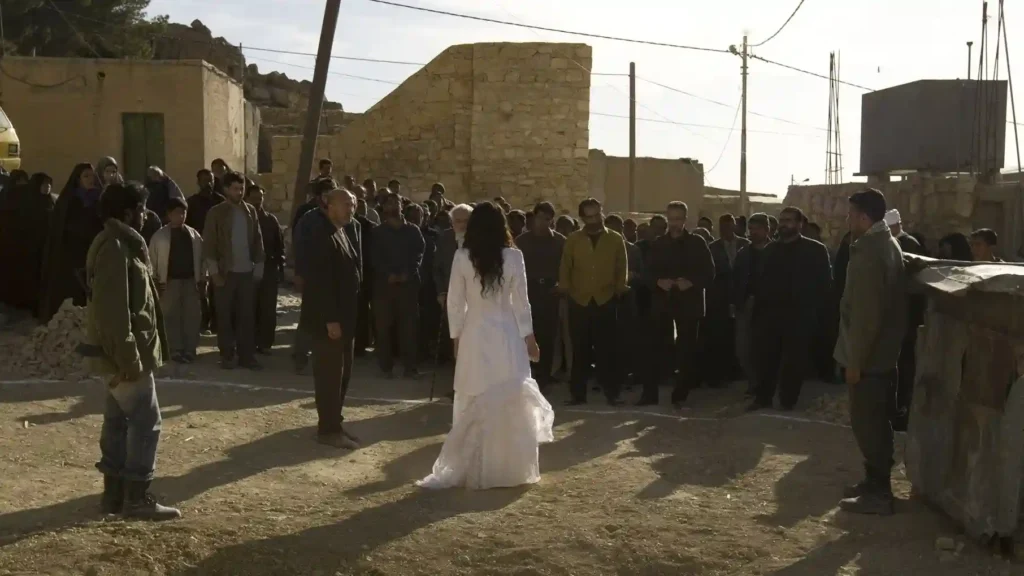
This harrowing drama depicts judicial abuse and gender-based violence in rural Iran. The film follows a woman falsely accused of adultery who faces death by stoning. Based on true events, the movie exposes how corrupt legal systems target vulnerable women. Director Cyrus Nowrasteh crafted an unflinching portrayal of institutional brutality.
The Iranian government denounced the film as anti-Islamic propaganda. Officials claimed the story misrepresented their justice system. International human rights groups praised the movie’s courage. The film sparked global conversations about women’s rights in theocratic societies.
3. A Separation (2011)
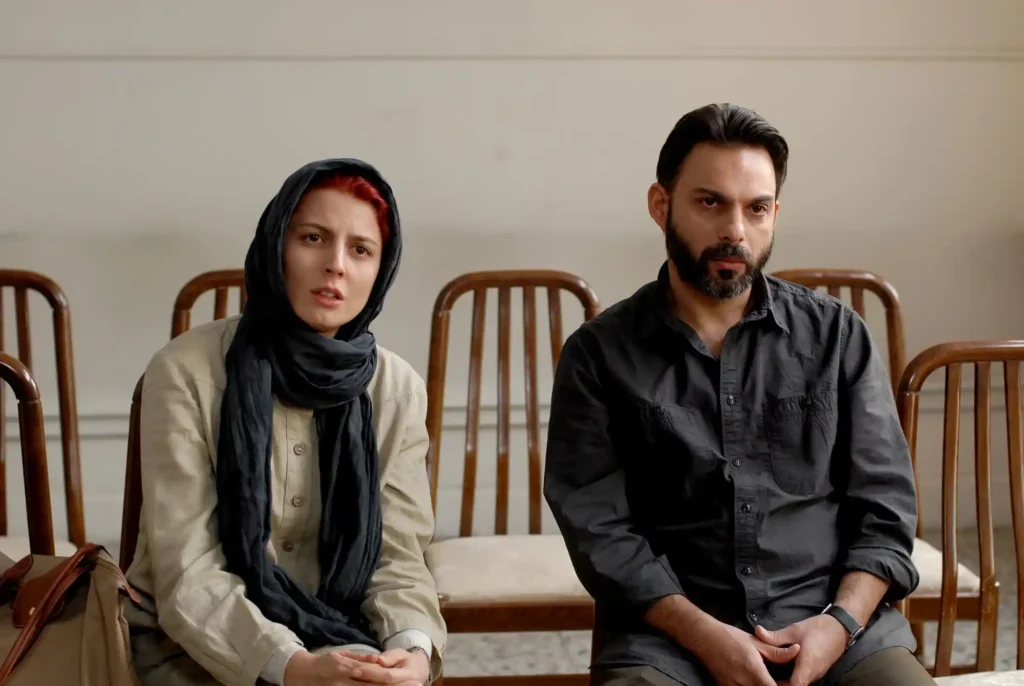
Despite winning the Academy Award for Best Foreign Language Film, Iran banned this domestic drama. Officials called its realistic portrayal of divorce and class conflict “morally corrosive.” Director Asghar Farhadi masterfully weaves family tensions with broader social commentary. The film questions traditional values without offering easy answers.
The movie shows how legal systems can trap ordinary families. Characters face impossible choices between duty and personal happiness. Iranian censors worried the film encouraged divorce and challenged family structures. They felt the movie promoted Western individualism over Islamic community values.
4. Not Without My Daughter (1991)
This American production sparked outrage for its negative depiction of Iranian society. The film follows an American mother’s escape from her Iranian husband with their daughter. Sally Field‘s performance highlights cultural clashes and women’s restricted freedoms. Iranian authorities viewed the movie as Western propaganda against their nation.
The Iranian government called for boycotts of American films after its release. Diplomatic tensions increased between the two countries over the movie’s portrayal. Critics noted the film’s one-sided perspective on Iranian culture. However, it raised important questions about international custody disputes and women’s rights.
5. There Is No Evil (2020)
Director Mohammad Rasoulof created this anthology about Iran’s death penalty system. Authorities banned both the film and Rasoulof from making future movies. Four interconnected stories examine moral choices surrounding state-sanctioned executions. The director filmed secretly while facing government harassment.
Rasoulof received a Berlin International Film Festival Golden Bear award. He couldn’t attend the ceremony due to his travel ban. The Iranian judiciary sentenced the director to prison for his filmmaking activities. International film communities protested his treatment.
The Global Impact of Iranian Film Censorship
These bans affect international film festivals and distribution networks. Many theaters worldwide screen these movies as acts of solidarity with Iranian filmmakers. Film scholars study these works to understand authoritarian control mechanisms. Universities include them in courses about media freedom and political resistance.
Why You Should Watch These Banned Films in Iran
Political Insight
These movies provide firsthand perspectives on Iran’s revolutionary history and contemporary struggles. You’ll gain a deeper understanding of political tensions that shape Middle Eastern affairs. Each film reveals different aspects of state control and citizen resistance. The stories show how ordinary people navigate authoritarian systems.
Religious and political themes interweave throughout these narratives. You’ll see how ideology shapes daily life in theocratic societies.
Human Rights Awareness
Witness powerful stories highlighting gender justice, legal reform, and individual freedoms. These narratives expose systemic problems affecting millions of people. The films document real struggles for basic human dignity. Women’s stories receive particular attention across multiple productions.
International audiences gain appreciation for freedom of expression. These movies remind viewers not to take civil liberties for granted.
Award-Winning Storytelling
Experience acclaimed direction, acting, and cinematography that influenced global cinema. These productions earned international recognition despite censorship attempts. Quality filmmaking transcends political boundaries and cultural barriers. Directors use visual storytelling to communicate universal human experiences.
Animation, drama, and documentary techniques create compelling narratives. Each film employs different artistic approaches to challenging subjects.
Cultural Empathy
You can develop a nuanced understanding of Iranian society beyond news headlines. These stories humanize complex political situations through personal experiences. You’ll connect with universal themes of family, justice, and freedom. Cultural differences become bridges rather than barriers to understanding.
The films show Iranian citizens as complex individuals rather than political symbols. Personal stories reveal shared human hopes and fears.
Where to Find These Important Films
Major streaming services carry most of these titles with proper licensing. Check IMDb for current availability and ratings information. Public libraries often stock these award-winning productions. University film departments frequently screen them for educational purposes.
International film festivals continue showcasing these works. Many theatres hold special screenings to support censored filmmakers.
These banned films in Iran represent artistic resistance against censorship and oppression. Each movie offers unique perspectives on justice, freedom, and human dignity. The films prove that powerful storytelling can challenge authority and inspire change.